
Living Room Decor Ideas for a Practical Home: What Actually Works
A home should function well before it does anything else. This guide focuses on living-room updates that balance daily utility with clean design.
You will find methods to layer your lighting, establish functional zones, select resilient textiles, and organize storage to keep floor space clear. Every strategy relies on accessible materials and clear spatial planning.
Idea 1: Prioritize a Functional Layout
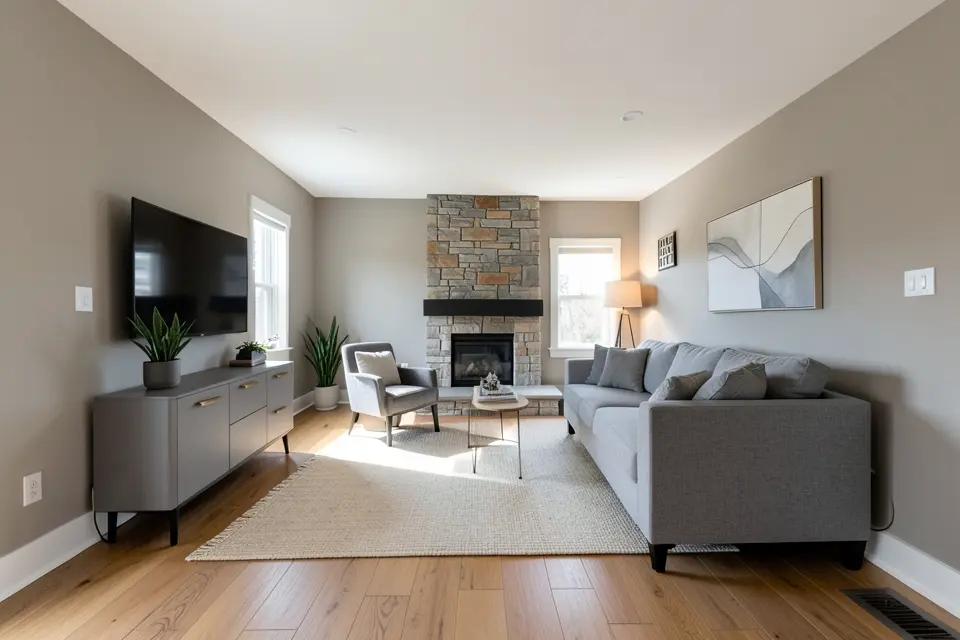
A poorly placed coffee table disrupts the natural path to adjacent rooms. To prevent this, map your main pathways to ensure clear passage.
Living room traffic lanes need at least 3 feet of clearance for comfortable movement, especially in a standard 12-by-18-foot space.
Sketch your layout on graph paper and outline the furniture placement with painter’s tape on the floor before moving heavy pieces.
Group your primary seating to face a single focal point, such as a fireplace or media console.
An optimal conversational layout can sometimes force the television into an awkward off-center position or compete directly with the fireplace as the room’s main view.
To maintain comfortable viewing, position the television no more than 8 feet from the primary seats.
Place a low-pile rug under the seating cluster to anchor the layout without blocking sightlines.
A slim sideboard placed behind a floating sofa defines the conversation zone without obstructing the sightline to
Idea 2: Layer Your Lighting Strategically
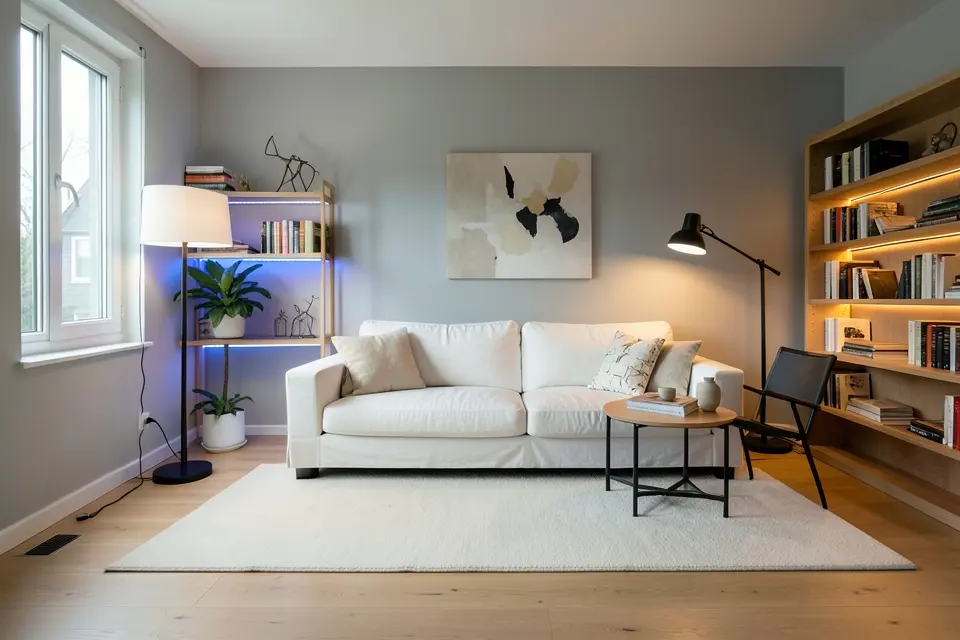
Relying solely on an overhead fixture leaves a room flat, making the space feel dull and under‑lit. Adding ambient, task, and accent sources creates layers that give depth and flexibility.
A floor lamp with a built‑in dimmer supplies focused reading light, while a small LED strip behind a bookshelf highlights artwork.
Quick tip: place a table lamp on the side table opposite the sofa to balance ambient glow without new wiring.
Renters can avoid permanent changes by using plug‑in floor lamps or battery‑powered wall sconces that mount with adhesive strips.
The trade‑off is higher electricity use and the need to manage several cords safely, plus the upfront cost of multiple bulbs and fixtures.
If you’re handy, a professional can install a dimmer switch; otherwise, stick with plug‑in options. Install a plug‑in LED floor lamp with a built‑in dimmer near your reading chair for an instant task‑light upgrade.
Idea 3: Invest in Durable, Cleanable Textiles
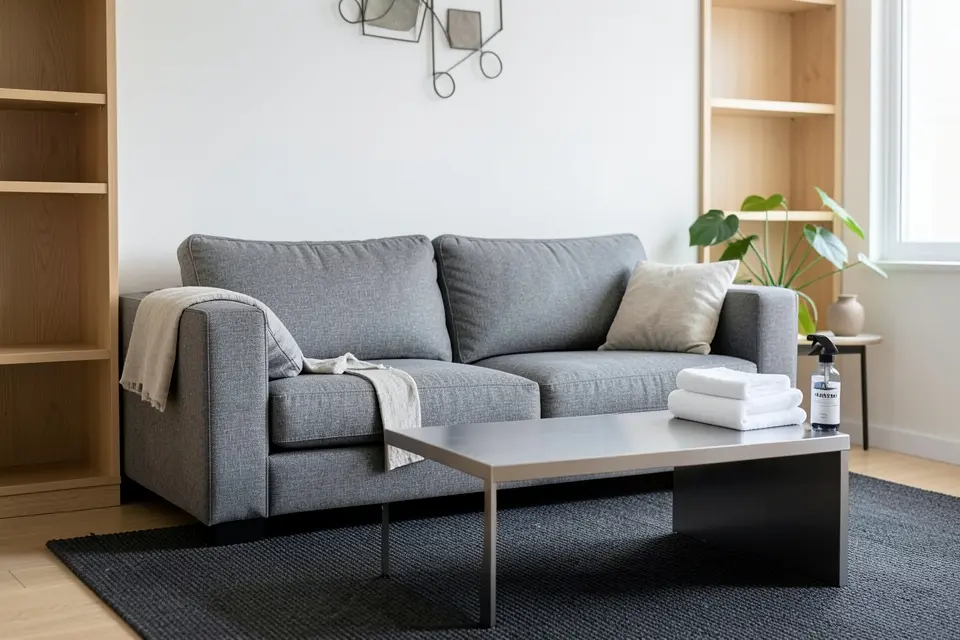
Solution‑dyed polyester upholstery resists fading and spills better than most natural fibers. Its tight weave traps dirt, so a quick vacuum keeps the surface looking fresh.
Stains lift with a mild detergent and warm water, making weekly cleaning painless.
The trade‑off is cost; performance fabrics run $80‑$120 per yard and lack the buttery hand of pure linen or silk.
A solid alternative is tightly woven wool, which offers similar durability with a softer feel. This option works well for families with kids or pets who need a resilient sofa.
Quick tip: apply a fabric protector spray before the first use to boost stain resistance.
Finish by buying a removable, machine‑washable slipcover in a neutral hue to test wear in your own living room.
Idea 4: Build an Intentional Color Palette
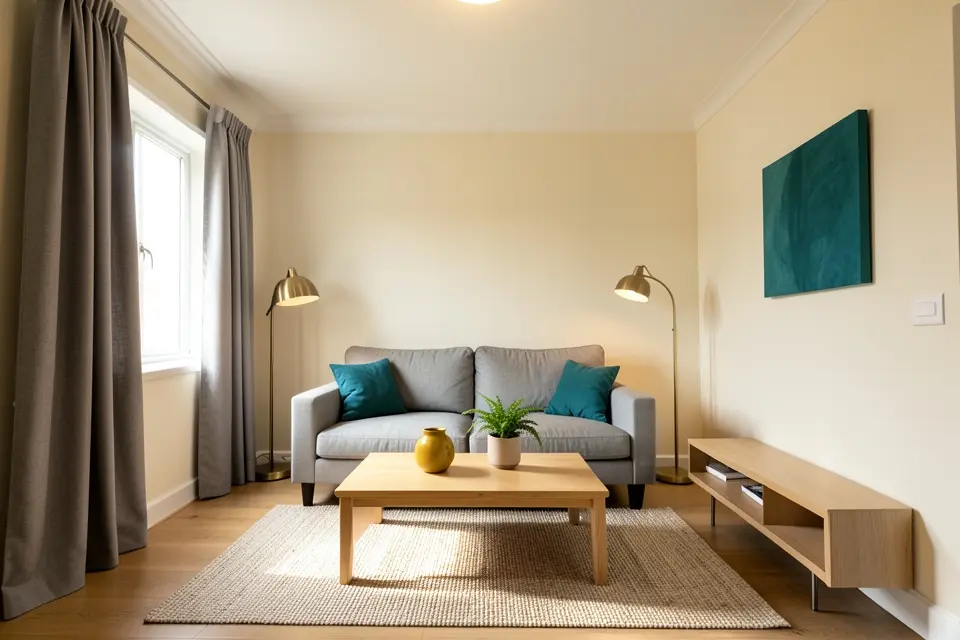
Apply a large paint swatch to the main wall and view it at sunrise and sunset to see the neutral’s true tone.
Pick a secondary hue for upholstery or curtains that covers about 30% of the room’s surface. Add a bold pop, like a teal pillow or brass lamp for the remaining 10% of accessories.
Light walls expand a small living room, while a darker accent wall cocoons a larger space. Renters can use peel‑and‑stick panels for the secondary color, avoiding permanent paint. If you need flexibility, replace the secondary paint with patterned rugs or slipcovers.
Quick tip: choose one artwork in the accent hue to hit the 10% rule instantly.
Rigidly following the three‑part system can make an unexpected find feel out of place. Place a mustard‑hued ceramic vase on the coffee table to lock in the accent without repainting.
Idea 5: Integrate Smart Storage Solutions
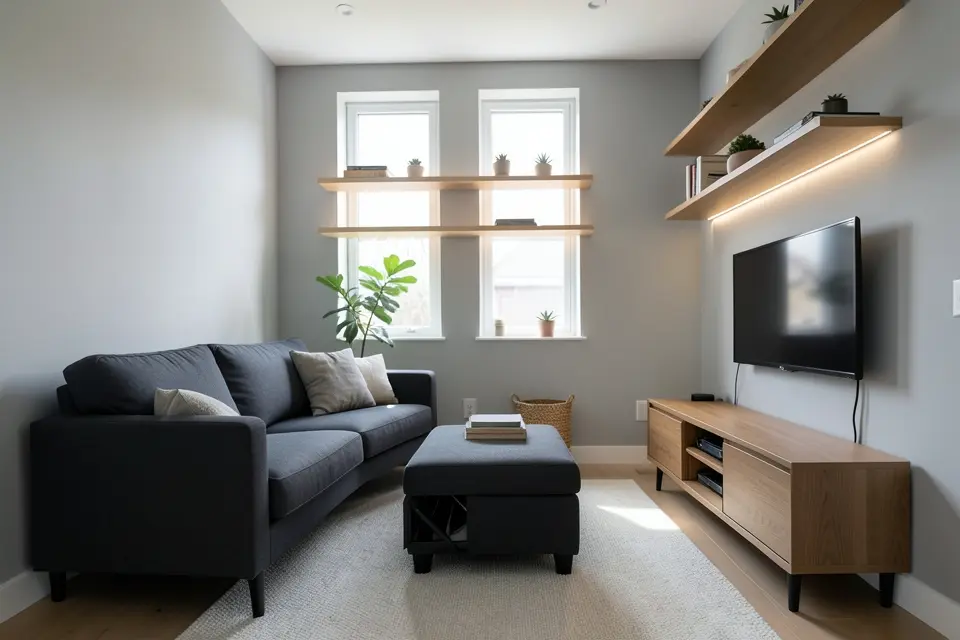
A coffee table buried under remote controls, magazines, and kids’ toys instantly makes the living room feel chaotic. Smart storage swaps that chaos for order, giving each item a logical home.
A charcoal‑linen ottoman that lifts to hide blankets offers seating plus a hidden stash for soft goods.
A walnut media console with two deep drawers tucks away game controllers and cords, keeping the rug clean.
Built‑in floating shelves between the windows store books without crowding the floor, ideal for rooms under 250 sq ft.
Quick tip: line the ottoman’s interior with a thin fabric divider so electronics stay separate from linens.
Families with active children and renters who need a tidy look benefit most, but sleek dual‑purpose furniture often costs $300‑$800 and weighs enough to need two people to move.
Place a slim, floor‑level basket behind the sofa to catch stray items while preserving walking space.
Idea 6: Curate Personal, Meaningful Decor
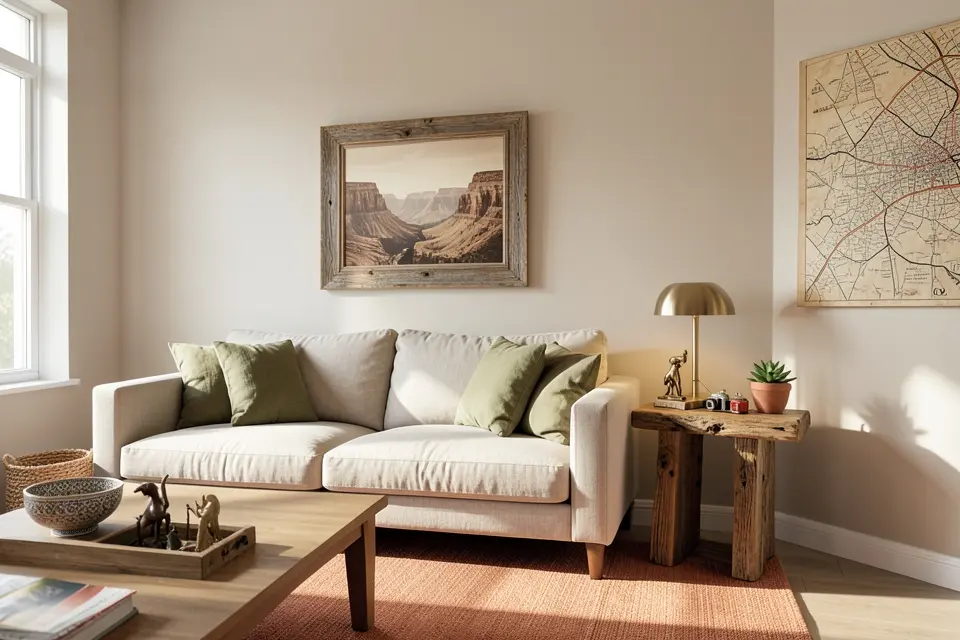
A weathered wooden frame holding a sepia photo of the Grand Canyon hangs above the sofa, its rust‑patina catching the afternoon light.
Choosing items you love, like a hand‑painted map of your hometown or a ceramic bowl from a Moroccan souk, adds personality that generic living room decor ideas lack.
Because each piece carries a story, the space feels lived‑in rather than staged for a photo shoot.
The downside is the hunt: authentic finds can take weeks, leaving the wall bare while you wait. As a temporary fix, a coordinated set from a catalog can fill gaps without clashing, then be swapped out when a personal item arrives.
Dust delicate glass or metal objects with a microfiber cloth weekly to prevent tarnish.
Quick tip: rotate a small sculpture each season, pairing it with the current muted earth‑tone palette.
Add a narrow reclaimed‑oak ledge on the side table this weekend to showcase a rotating trio of travel mementos.
Idea 7: The Right Rug Can Define and Anchor
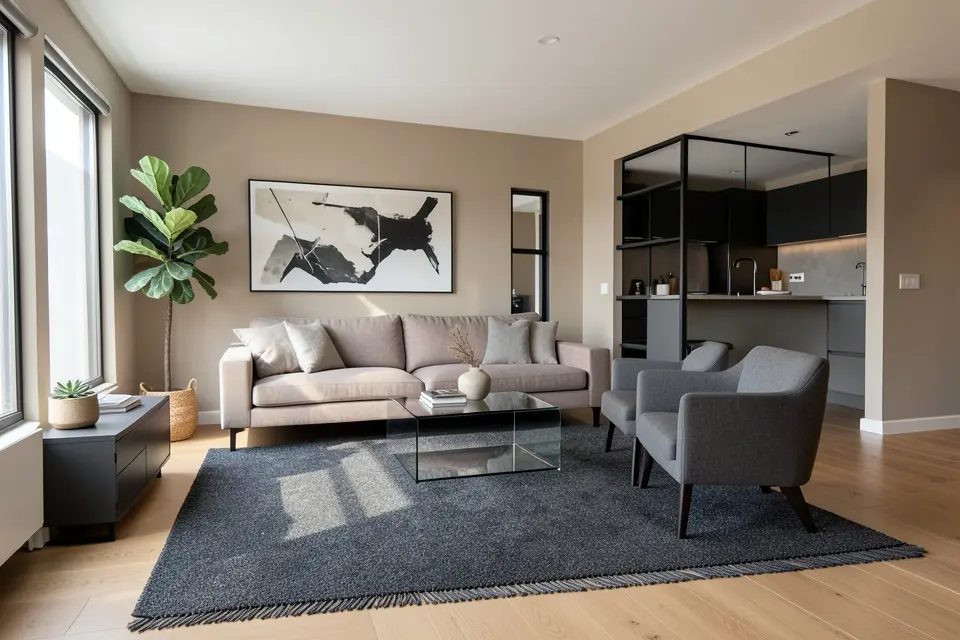
A charcoal‑gray wool rug sprawls beneath the sofa, its fringe catching the light and pulling focus to the seating cluster.
In an open‑plan layout, let the rug reach the front legs of the sofa, armchairs, and coffee table to create a unified zone.
For a room about 18 × 22 feet, a 9 × 12‑foot rug works; smaller pieces leave gaps that break flow.
Such a size typically costs $1,200‑$2,500 and is heavy, so professional cleaning or a large vacuum may be needed. Quick tip: place a low‑pile rug pad first to stop slipping and add cushion.
If budget or moving is a concern, layer two smaller natural‑fiber rugs as an alternative.
This solution suits families who need durability and a clear gathering area. Spot‑clean spills right away. Vacuum the rug weekly with a rotating‑brush attachment to lift dust.
Idea 8: Incorporate Low-Maintenance Greenery
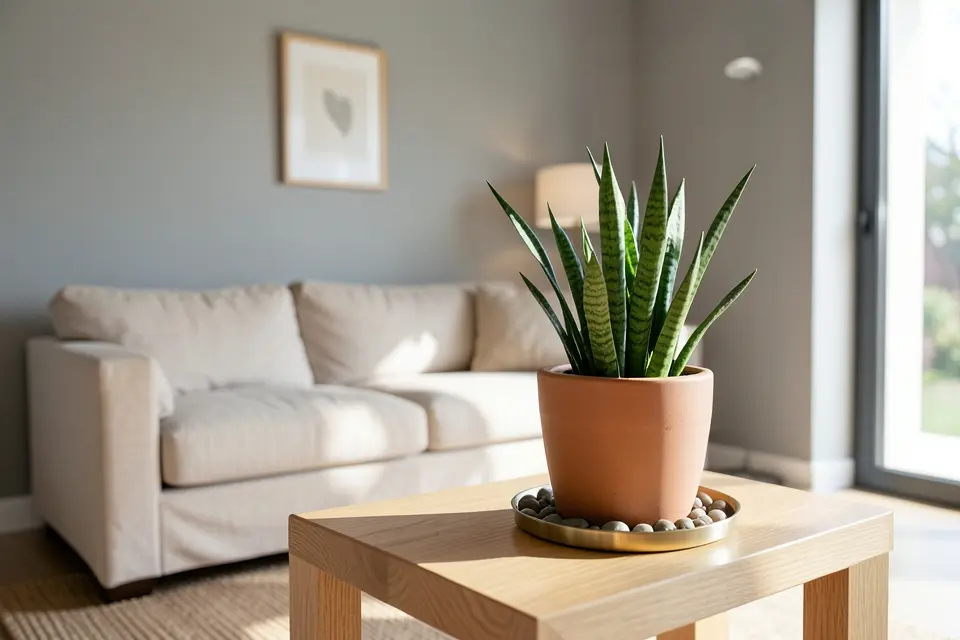
A matte terracotta pot, six inches wide, frames a snake plant and adds earthy texture to the living room.
Snake plants, ZZ plants, pothos, and philodendrons survive irregular watering and low light, staying green even after a missed week.
The trade‑off is that each still needs occasional water, seasonal light shifts, and a quick pest check; neglect can turn a healthy leaf into a brown blotch that looks untidy.
Maintenance note: water only when the top inch of soil feels dry and rotate the pot monthly for even growth.
Quick tip: sit the pot on a saucer with pebbles; the tray supplies moisture without soggy soil.
If you prefer a hanging look, replace the snake plant with trailing pothos in the same terracotta container. Add a calendar reminder for the first Saturday each month to test soil moisture.
Idea 9: Opt for Multi-functional Furniture Pieces
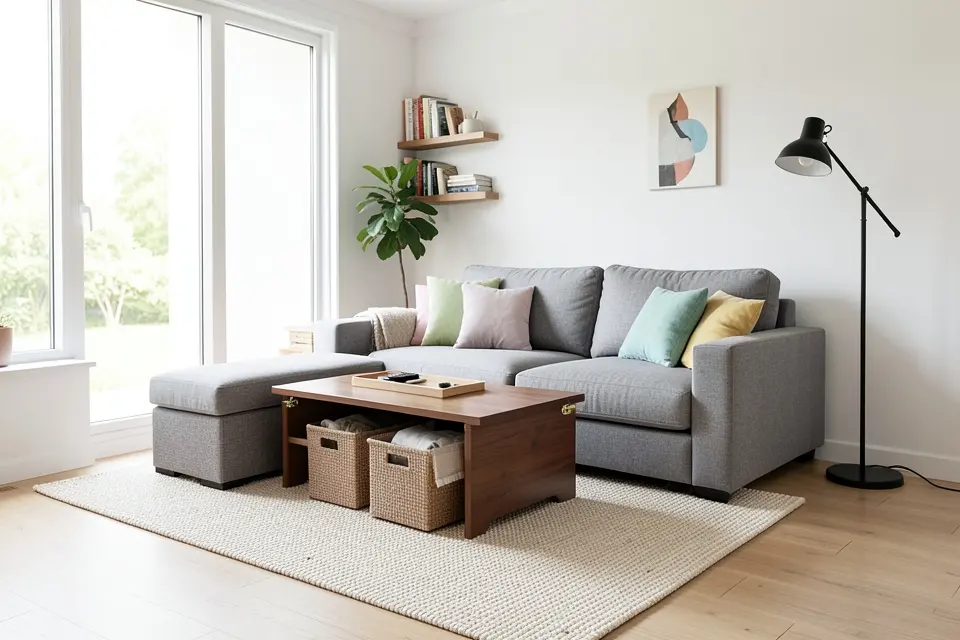
In a compact living room, every square foot counts. Multi‑functional pieces let you sit, store, and spread without crowding the floor.
A coffee table with a lift‑top drawer hides remotes, magazines, and blankets while still offering a flat surface for drinks.
An ottoman upholstered in a durable fabric can double as extra seating and a hidden bin for throws. Nesting side tables slide under each other, freeing space when guests leave.
This approach suits city apartments, young couples, or anyone with limited floor area.
Quick tip: pick items with reinforced metal hinges to offset the higher wear on moving parts.
The setup works best in rooms under 200 sq ft. Add a set of nesting tables that fold flat under the sofa when not in use.
Idea 10: Choose Window Treatments for Both Function and Style
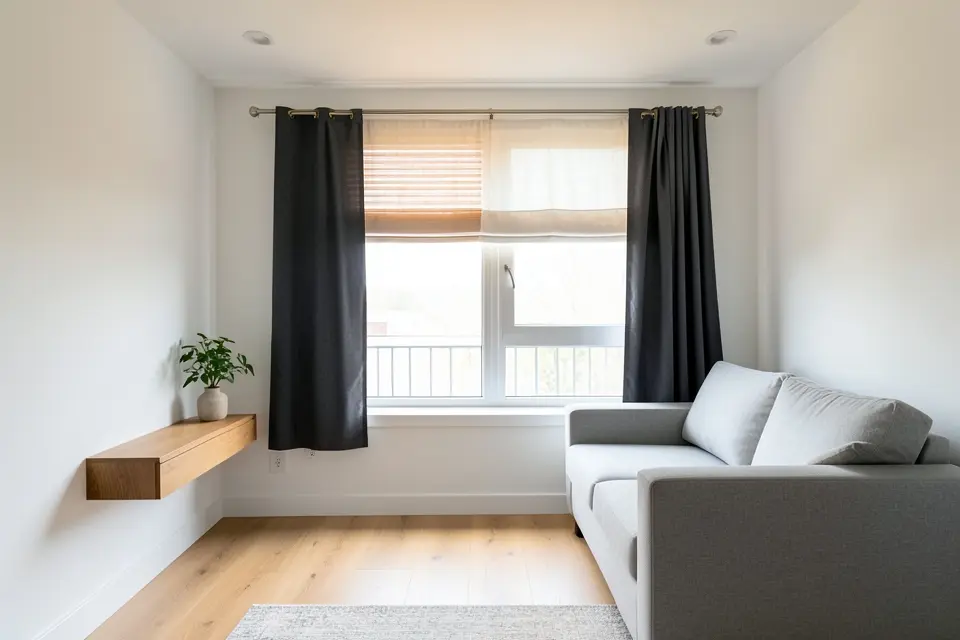
Heavy blackout curtains block most of the sunlight, whereas sheer panels allow a generous amount of daylight to filter in.
If you need full privacy at night and low‑energy heating in winter, blackout fabrics win; but they can make a room feel boxed in and hide the view outside.
An alternative is a cellular shade that offers moderate insulation while still letting light through.
For renters, choose a tension‑rod system so you can install and remove curtains without drilling. Keep fabric dust‑free by vacuuming the folds with a handheld brush once a month.
A quick tip: pair a light‑filtering sheer with a removable blackout panel for flexible control.
DIY‑install a simple rod for under $30, or hire a pro if you prefer a seamless ceiling‑mount. Add a magnetic tie‑back to the blackout panel to create a tidy, temporary opening for afternoon sun.
Idea 11: Establish a Clear Focal Point
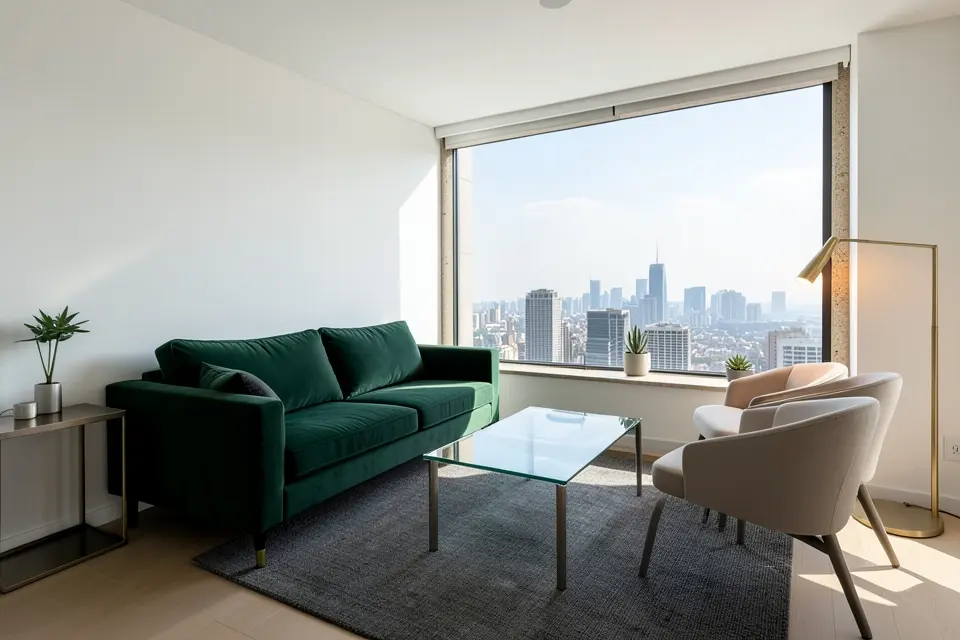
A deep‑green velvet sofa faces a floor‑to‑ceiling window that frames the city skyline, instantly pulling the gaze outward.
Let that window serve as the focal point and arrange chairs, a coffee table, and a rug so they all point toward the view.
I keep the coffee table a few inches back from the sofa to preserve sight lines and avoid blocking the scenery.
The downside is that a strong focal point ties the room to one orientation, limiting future layout changes.
For more flexibility, replace the window focus with a large abstract painting on a movable wall panel that can be repositioned or covered later.
Quick tip: place a slim floor lamp beside the focal element to accent it without overwhelming the space.
Install a narrow metal side table on the sill to hold a lamp and keep the view unobstructed.
Idea 12: Add Texture Beyond Just Fabric
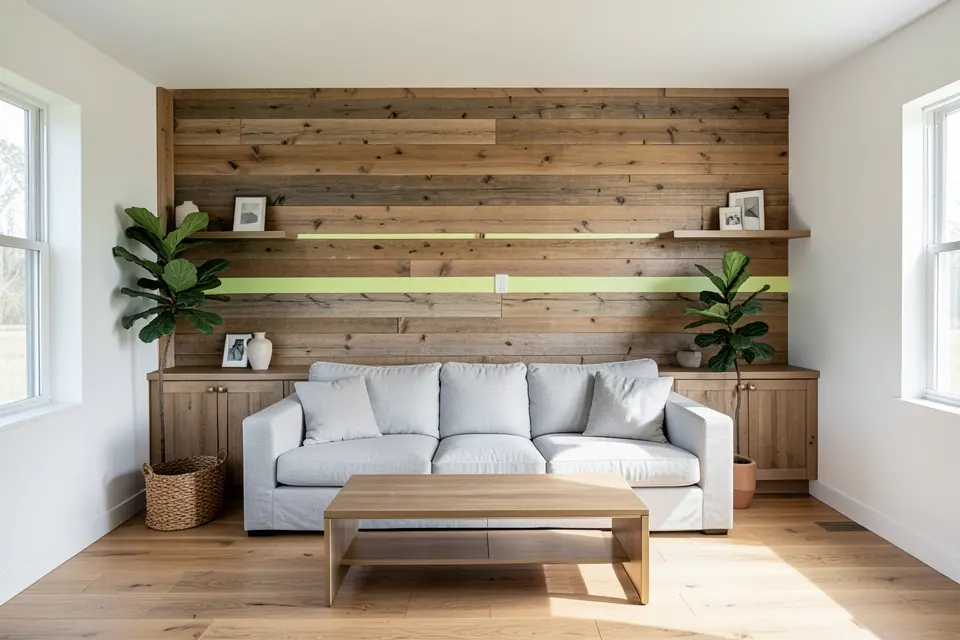
A reclaimed‑oak board on the feature wall instantly adds tactile depth without new colors. Textured wallpaper, wood paneling, or a lime‑wash paint finish work the same way, giving the room a layered feel.
The trade‑off is that these finishes stick around; swapping them later means labor, patching, and a noticeable expense.
If you rent, peel‑and‑stick textured wallpaper offers a reversible option that mimics the look of heavy paper without the commitment.
For a DIY approach, you can brush on a thin lime-wash with a roller, but precise wood panels usually need a professional to ensure even seams.
Maintenance is simple: dust with a soft brush weekly and spot‑clean stains with a damp cloth; avoid abrasive scrubbers that could damage the surface.
Quick tip: tape a 12‑inch square on the wall and apply the texture to see how it reads in your lighting before covering the whole surface.
Add a thin, clear polyurethane coat to protect a wood‑paneled wall from everyday wear.
Your Next Room Refresh
Remember to keep scale in mind; oversized accessories can overwhelm a modest room, while a few well‑chosen pieces add interest without crowding. Stick to a limited color palette; repeating one or two hues ties the look together and makes the space feel cohesive.
Finally, choose multi‑functional furniture, like an ottoman with hidden storage to preserve flow and hide everyday messes. With these practical reminders, the ideas you’ve just explored can turn any living room into a comfortable, functional backdrop for daily life.
Save this guide for your next weekend project, and let the room evolve at your own pace.
Frequently Asked Questions
What’s the most practical way to choose a living room sofa?
Prioritize durable, easy-to-clean fabric, comfortable seating depth, and a size that fits the room’s dimensions and allows for clear traffic flow.
How do I make a small living room feel larger?
Use light colors, choose furniture with visible legs, incorporate mirrors strategically, and ensure adequate, layered lighting to expand the perception of space.
What’s a common mistake people make when decorating a living room?
A common mistake is buying individual pieces without first considering how they will function and visually integrate into the overall room’s layout and existing elements.
How can I update my living room without buying all new furniture?
Update your living room by changing textiles like rugs and throw pillows, refreshing wall art, adding new lighting fixtures, or simply rearranging existing furniture for a fresh perspective.
Is open-concept living room decor always the best choice?
Open-concept living offers connectivity but requires careful zoning with furniture and rugs to define areas and may present challenges with noise and maintaining distinct functional spaces.