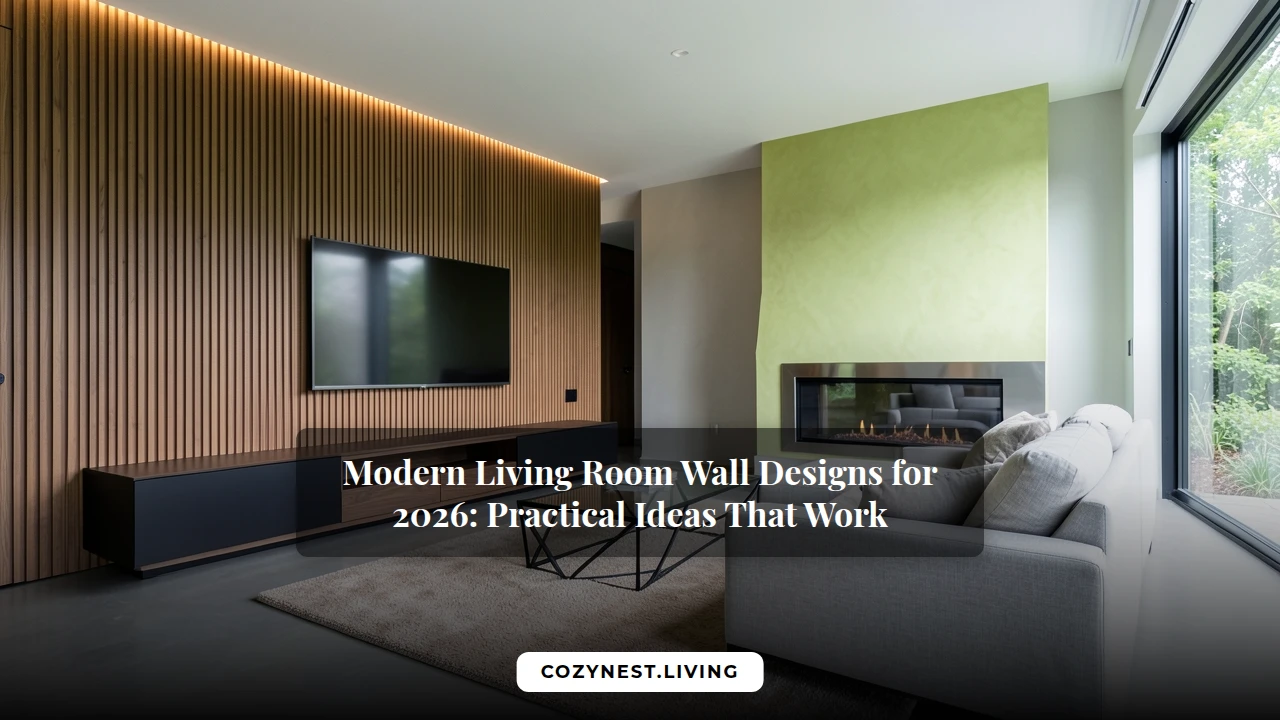
Modern Living Room Wall Designs for 2026: Practical Ideas That Work
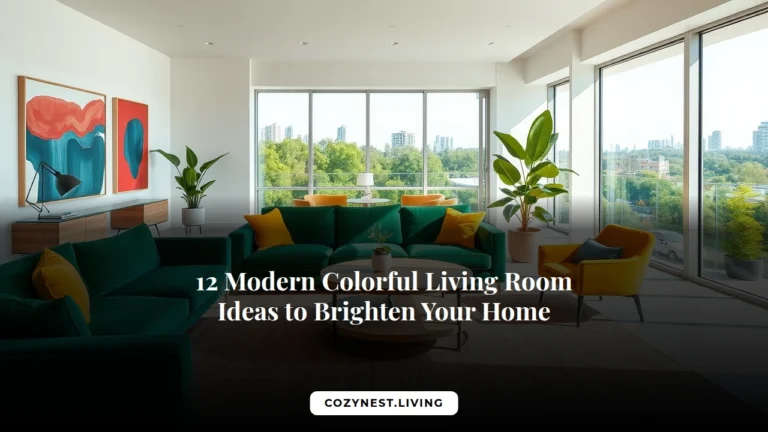
The moment you step into a living room with a deep teal accent wall framed by sleek walnut trim, you feel the room’s personality shift instantly. 2026 is all about walls that do more than just contain space; they tell a story, hide a TV, showcase a collection, or add texture without overwhelming the room.
In this roundup we walk through eleven fresh ideas you can try right now: a reclaimed‑wood paneling for a warm, sustainable touch, oversized art frames that become focal points, built‑in shelving that doubles as décor, metallic stripe molding for a hint of glam, pastel matte finishes that soften a modern room, textured plaster that adds depth, statement glass tiles that reflect light, smart LED wall panels that change color with a tap, and a curated gallery wall that tells your personal story. Each option includes quick styling tips so you can mix, match, and make the wall work for your lifestyle.
Fluted or Slat Wood Panels
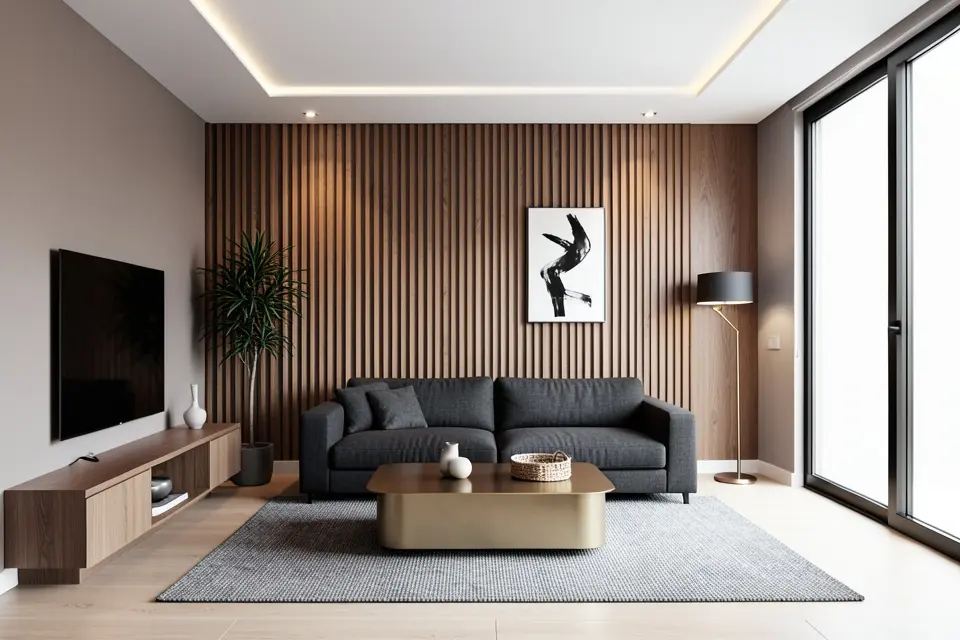
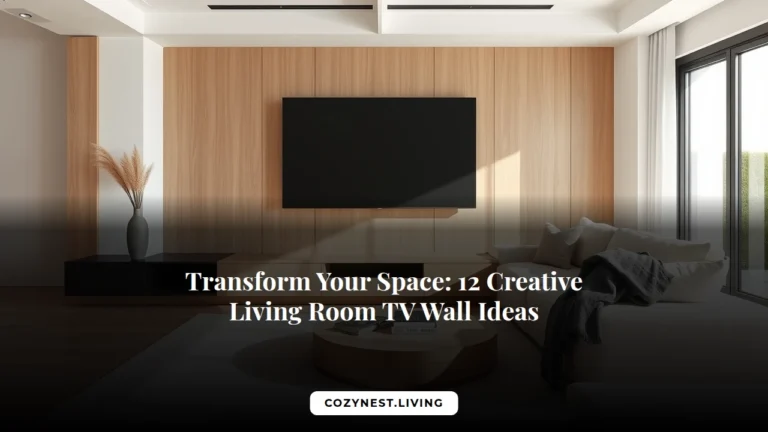
Walnut slats stand vertical, their thin shadows carving the wall into clean lines. The fluted texture adds warmth and a modern edge.
Design lovers who want a sculptural backdrop will find the panels ideal in open living rooms. They break up flat surfaces and help scatter sound, improving speech clarity.
The deep grooves trap dust and need routine vacuuming.
DIY renters can choose MDF slats at $50‑$80 per sheet and snap them in place. Solid hardwood usually demands a carpenter, raising costs to $150‑$250 per square foot.
Attach a soft brush to your vacuum and glide it along the grooves weekly to keep dust down.
Wood finish may dull in high‑traffic zones, so reseal every year to maintain shine.
Alternative: Paint recessed beadboard gray for a smoother, low‑maintenance vertical look.
Large-Scale Abstract Art

Compared with a collage of three 12‑inch prints, a single 7‑foot abstract canvas dominates the wall with presence. The scale makes the eye rest on one statement piece instead of wandering across small frames.
A muted teal splash against a gray sofa adds depth. Quality pieces run $2,000‑$5,000; cheaper prints can look flat at that size. The trade‑off is clear: spend for polish or accept a rough look.
It suits design‑savvy homeowners who want a focal point without visual clutter.
Renters can hang the piece using removable adhesive strips and a lightweight stretched canvas to avoid nail holes. In rooms under 300 sq ft, keep the canvas under 6 ft wide to maintain balance.
Measure the wall width, then leave at least 12 inches of space on each side to keep the piece from feeling cramped.
Statement Geometric Wallpaper
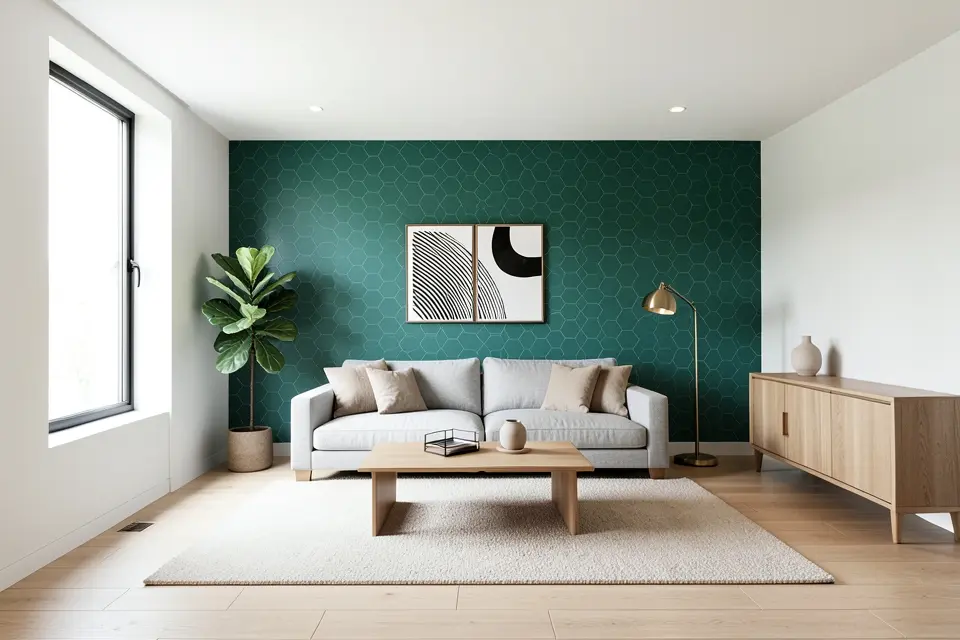
A wall covered in oversized honeycomb tiles in matte teal instantly draws the eye. The clean angles echo a low‑profile sofa and a straight coffee table, so the pattern supports rather than competes.
Because wallpaper bonds to plaster, removal can scar paint and waste time, a concern for renters. A peel‑back liner peels cleanly without damaging the surface.
A bold grid can make a small living room feel cramped, while a larger space handles the visual weight. If the design follows a single‑color trend, it may look dated after a season.
Geometric prints peak in spring, so neutral textiles keep the look fresh year‑round. Without tools, a professional ensures seamless seams and avoids bubbles.
Test a 12‑inch square on the wall before buying the full roll.
Alternative: Use a large‑scale linen mural in a muted taupe, which adds texture without the permanence of wallpaper.
Integrated Floating Shelves & Built-ins
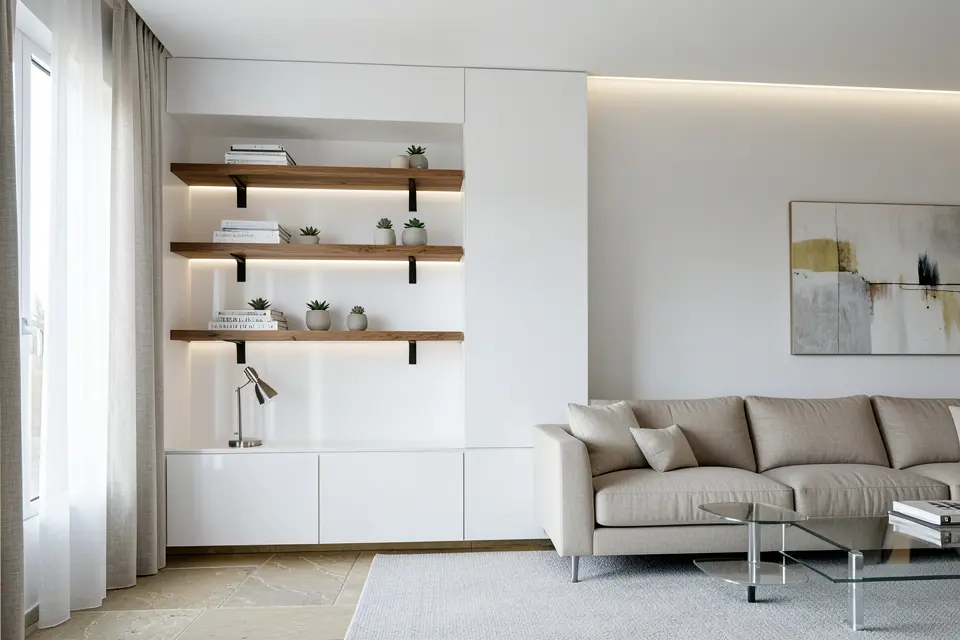
When your living room walls become a dumping ground for books, plants, and gadgets, the space loses its sense of calm. Integrated floating shelves or built‑in units reclaim wall area while keeping the floor clear.
A custom‑fit unit can hide wiring for LED strips, giving you accent lighting without visible cords. Because the shelves are anchored directly to studs, the look stays flush and modern.
The downside is that these installations are permanent; removing them leaves sizable drywall patches that need repair.
Renters should weigh this against the visual payoff and consider a reversible, bracket‑mounted shelf if they need flexibility.
DIY kits cut cost, but a pro guarantees proper anchoring and a seamless finish.
Heavy items may strain brackets; inspect hardware yearly and retighten loose screws.
Alternative: A high‑gloss wall panel with recessed niches offers similar display space without committing to full‑depth built‑ins.
Microcement or Polished Concrete Accents
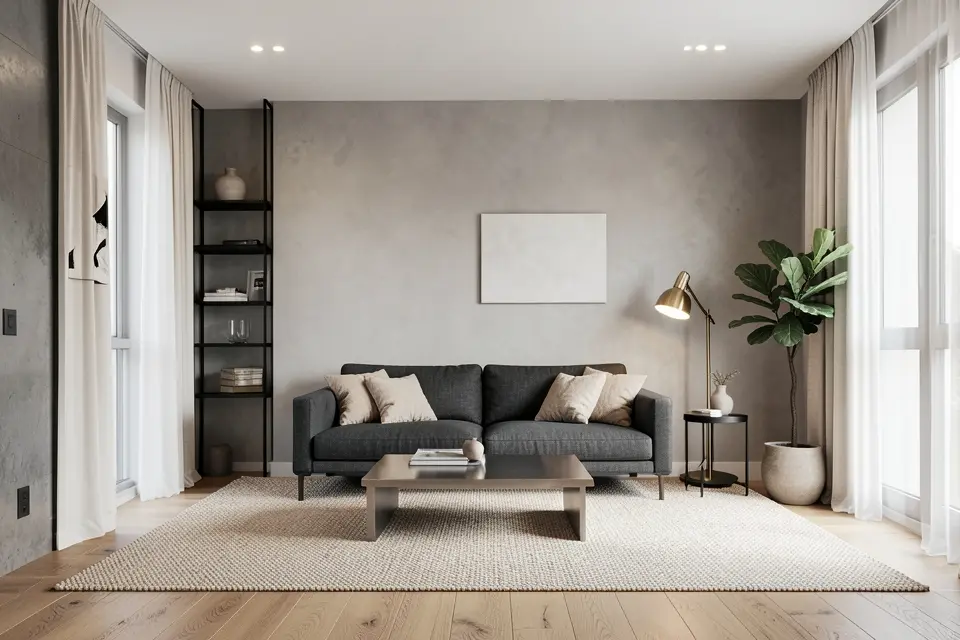
A 2‑mm layer of microcement creates a smooth, stone‑like surface that clings directly to drywall, giving the wall a seamless, matte finish.
The coating resists scratches and stains, making it practical for high‑traffic living rooms.
Polished concrete feels cool under the hand and can make the room echo if left bare. Balancing the hard surface with a large wool rug and plush throw pillows restores warmth and dampens sound.
This treatment suits minimalist homeowners who enjoy an industrial aesthetic and are comfortable investing in quality flooring.
DIYers can roll on microcement, but a pro finish is safer for polished concrete to avoid unevenness.
Apply a primer designed for concrete before spreading microcement to improve adhesion.
Alternative: Use reclaimed brick veneer on the same wall; it adds texture without cold feel and improves acoustics, though it costs a bit more and needs sealing.
Warm Neutral Monochromatic Schemes
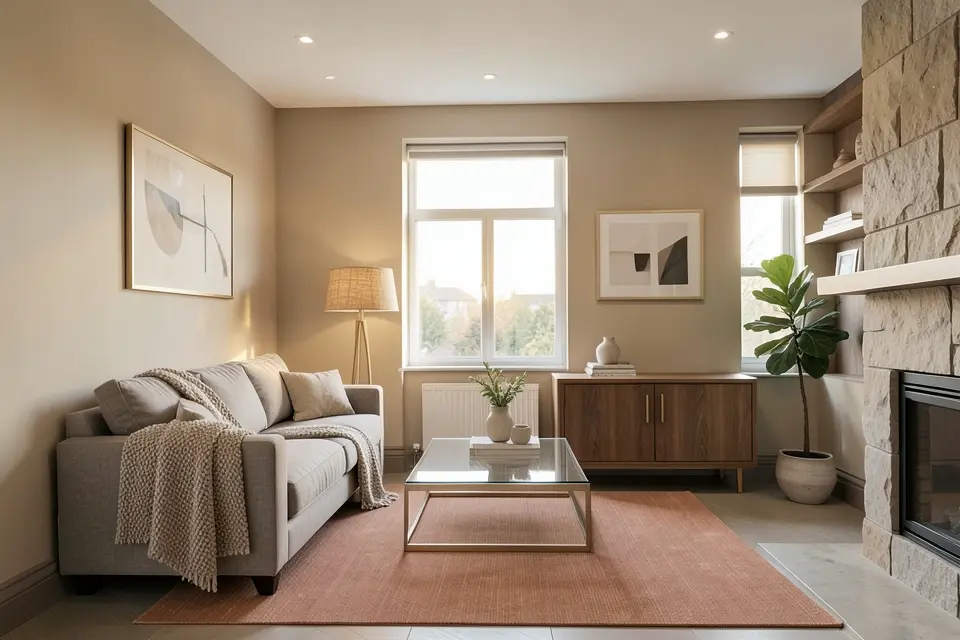
A warm beige wall paired with a soft taupe trim feels richer than a flat ivory coat. The subtle shift in hue creates depth while staying within a single color family.
In 2026, designers favor this monochrome look because it unifies floor, wall, and furniture without clutter.
If you skip textures like bouclé, linen, and brushed metal, the room can look flat, cold, or sterile. Layered textures keep the eye moving and prevent the space from feeling sterile.
During autumn, the warm neutrals echo the season’s muted palette, making the room feel naturally in sync with outdoor changes.
A matte terracotta rug or a walnut sideboard adds a seasonal anchor without breaking the scheme.
Swap a plain lamp shade for one in woven linen to add texture instantly.
Add a brushed brass picture frame on the mantel to break the monotone without adding color.
Acoustic Wall Panels
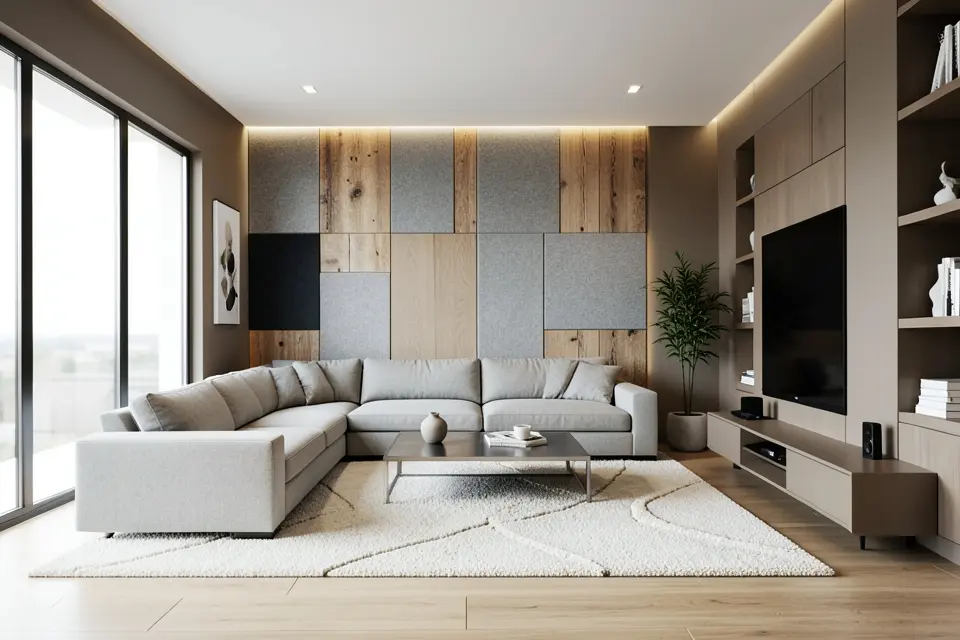
Echoes bounce off bare drywall, making conversation in an open‑plan living room feel noisy. You need a way to tame the sound without sacrificing style.
Modern acoustic wall panels absorb excess noise while serving as striking wall art, thanks to finishes like matte felt, reclaimed timber, or laser‑cut geometric patterns.
In a 2026 setting, designers match panel colors to sofa upholstery or use contrasting textures to create visual depth.
Audiophiles and families who host movie nights benefit most from this dual function. Renters can choose panels with adhesive backings that peel cleanly, preserving the lease agreement.
Premium felt and timber options often cost several hundred dollars, a steep outlay compared to a simple framed print.
Cheaper foam panels may fit a budget but tend to look cheap and can detract from a polished look.
Felt panels require gentle vacuuming and occasional professional cleaning to maintain acoustic performance.
Alternative: A decorative acoustic ceiling tile can achieve similar sound control while keeping walls free for future paint changes.
Strategic Backlit Panels or Wall Washers
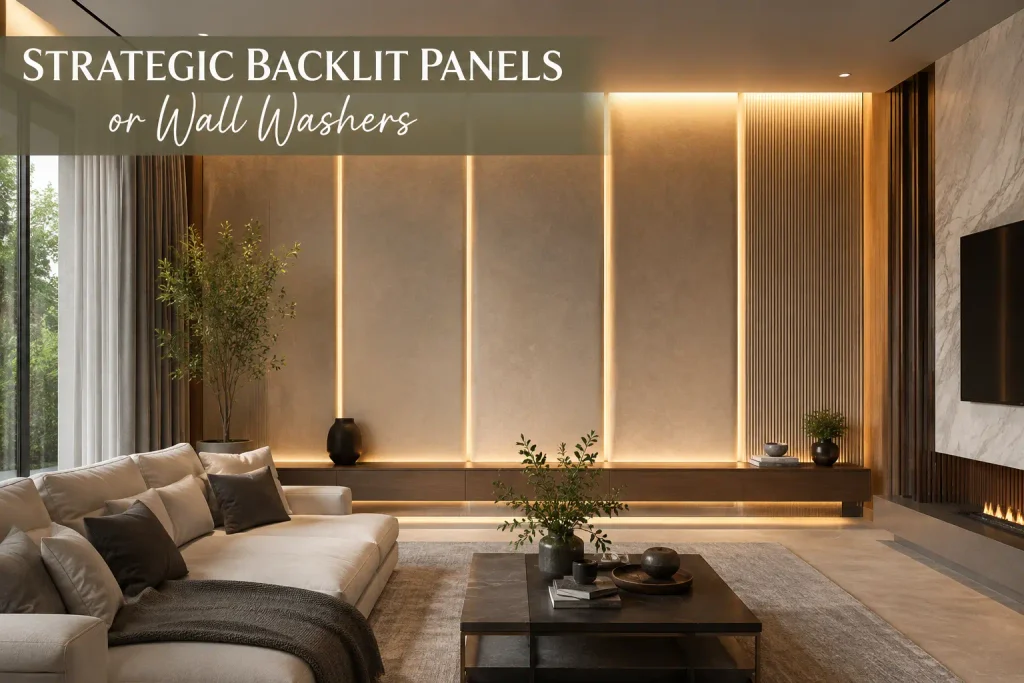
A narrow LED strip hidden behind a recessed panel creates a soft halo on any wall. The glow accentuates textures like brushed concrete or a bold canvas without visible fixtures.
Designing built‑in backlighting needs precise routing, so you may cut drywall and hire an electrician for a seamless look.
Renters can use surface‑mounted aluminum channels that snap on, avoiding any wall damage.
DIYers may opt for plug‑and‑play LED modules, yet a licensed electrician ensures code compliance and safety.
Use a smartphone app to preview warm and cool LED temperatures before buying.
Alternative: A ceiling‑mounted wall washer sweeps light across the surface, giving drama without cutting the wall.
Buy a dimmable 12‑volt LED kit with an integrated transformer to control brightness from a single switch.
Bold Color Blocking
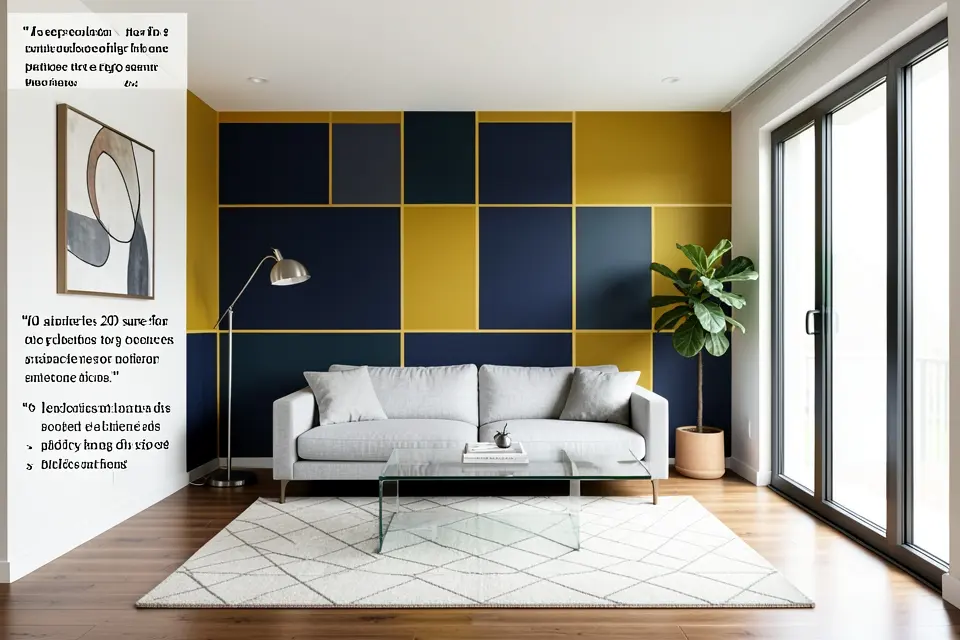
Lay painter’s tape in a staggered rectangle grid before the first coat. The tape gives crisp edges, so paint stays clean.
Two complementary hues in blocks add movement a single accent wall lacks. In rooms over 250 sq ft, the contrast anchors the space. Test each pair on a 12‑inch board for a week.
A highly customized geometric paint scheme is hard to change, needing multiple primer coats and sanding to level ridges if you revert to solid color.
Weigh that effort against the visual impact before you start.
Choose low‑sheen paint to hide brush marks on block edges.
Alternative: Use peel‑and‑stick wallpaper strips in the same layout for a renter‑friendly swap. The strips peel off cleanly, avoiding primer and sanding.
Oversized Mirrors with Minimal Frames
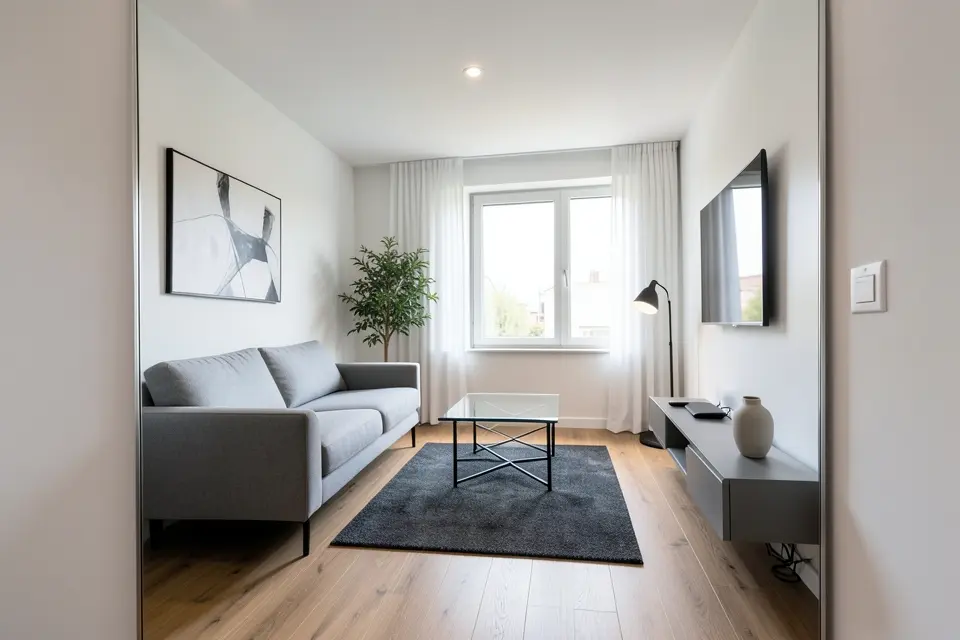
In a small living room, a floor‑to‑ceiling mirror with a 2 mm brushed‑aluminum frame stretches the visual field. The thin border keeps attention on the reflection.
Place it opposite a window or artwork so natural light bounces back into the room. Avoid aiming it at a cluttered corner, which only amplifies mess.
Urban professionals who need a sleek look without losing floor space find this useful. Rooms under 250 sq ft gain extra visual room.
The mirror’s weight can exceed 80 lb, demanding studs or heavy‑duty anchors for safe installation.
If the wall cannot support that load, the piece may become a safety hazard. Renters can use a portable easel to lean the mirror against the wall, avoiding permanent holes.
Fingerprints and dust appear instantly, so a microfiber cloth and quick glass cleaner are needed weekly.
Use removable adhesive strips on the back of the frame to keep the mirror steady while locating studs.
Curated Gallery Walls (Thoughtful Groupings)
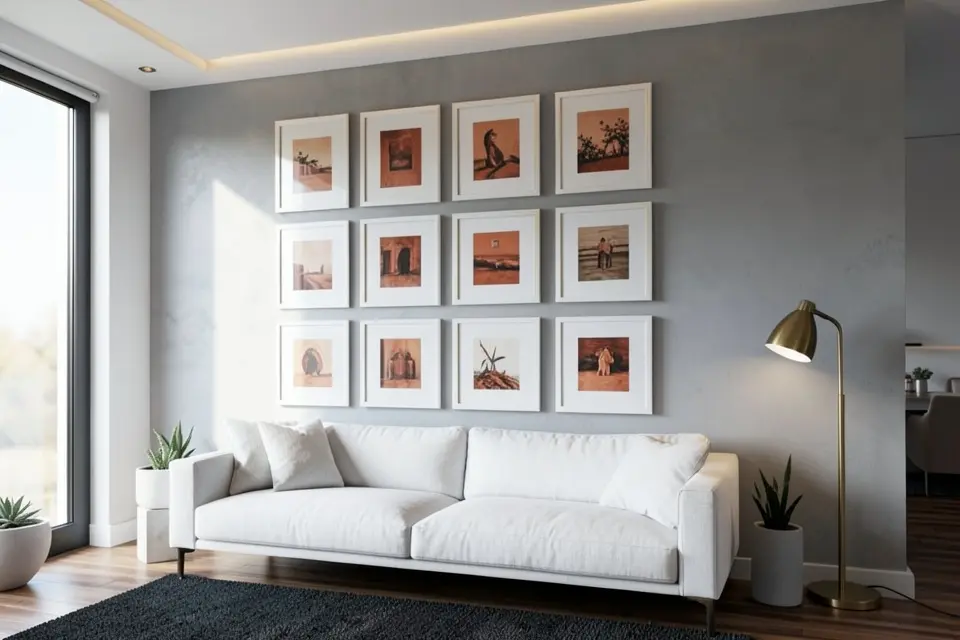
A curated gallery wall uses uniform black frames, while a typical collage mixes random colors and sizes. Uniformity creates visual order that feels intentional.
Pick one frame style and a narrow palette, such as matte white or brushed brass. Place them in a tight grid with equal gaps to keep the wall from feeling crowded.
The downside is the time spent hunting matching art, frames, and mats. Swapping a photo later means filling dozens of nail holes or re-adhering strips.
Renters can avoid wall damage by using removable picture-hanging strips that hold up to 5 lb per piece.
Lay out your frames on the floor first to lock spacing before you start drilling.
In 2026, terracotta prints with gray frames match the season’s earthy trend.
Alternative: If you lack matching frames, try a floating shelf display with interchangeable art, which leaves walls untouched.
Your Next Room Refresh
When you pick a wall design, start by anchoring the room with one dominant element, whether it’s a bold color block or a textured panel, and keep the surrounding palette neutral.
Next, balance the scale by pairing a large statement piece with smaller accessories, like a slim floating shelf or a row of mini frames. Finally, let lighting play a role; a floor lamp or hidden LED strip can highlight texture without stealing the spotlight.
With these simple rules, you’ll turn any of the twelve ideas into a cohesive backdrop that feels both fresh and lived‑in. Save the look you love, and let it guide your next living‑room refresh.
Frequently Asked Questions
What are the trends for living room walls in 2026?
For 2026, living room wall trends lean towards textured finishes like limewash or microcement, geometric patterns, integrated shelving, and large-scale, impactful artwork over smaller cluttered displays.
How do I choose a modern wall design that won’t quickly go out of style?
Opt for timeless elements such as subtle textures, warm neutral palettes, high-quality materials, and classic geometric patterns rather than highly specific or overly themed designs to ensure longevity.
Are accent walls still a modern choice for 2026 living rooms?
Yes, accent walls are still modern, especially when executed with sophisticated textures, architectural panels, or intentional color blocking rather than just a contrasting paint color.
What materials are popular for modern living room wall designs?
Popular materials for modern living room wall designs include wood (slat or fluted panels), plaster finishes (limewash, Venetian), microcement, and high-quality wallpapers with subtle patterns or textures.
How can I make my living room walls look modern without a full renovation?
To modernize walls without a renovation, consider large-scale art, strategic lighting via wall sconces, or a curated gallery wall with cohesive framing; even a fresh coat of warm neutral paint can make a difference.