
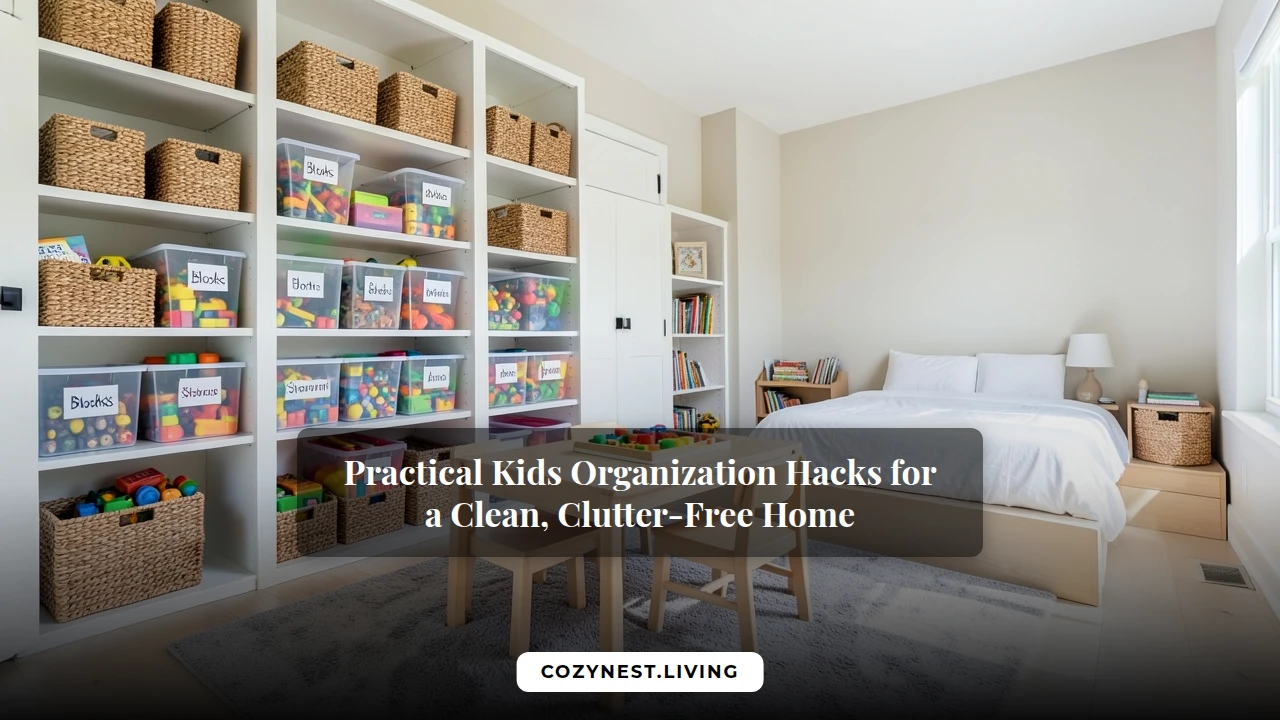
Practical Kids Organization Hacks for a Clean, Clutter-Free Home
A rainy Saturday morning finds crayons scattered across the living room carpet, turning playtime into a cleanup marathon. The scramble for a clean floor feels endless, and every parent knows the frustration of stepping on Lego bricks in the dark.
This list gathers clever, low‑effort tricks that turn chaos into order without a full‑scale renovation. From magnetic wall strips for art supplies to rolling carts that double as toy garages, each idea is quick to set up and kid‑friendly.
Keep reading for the top hacks that will keep your home looking tidy while giving kids the independence to put things away.
1. Establish Kid-Level Storage Zones
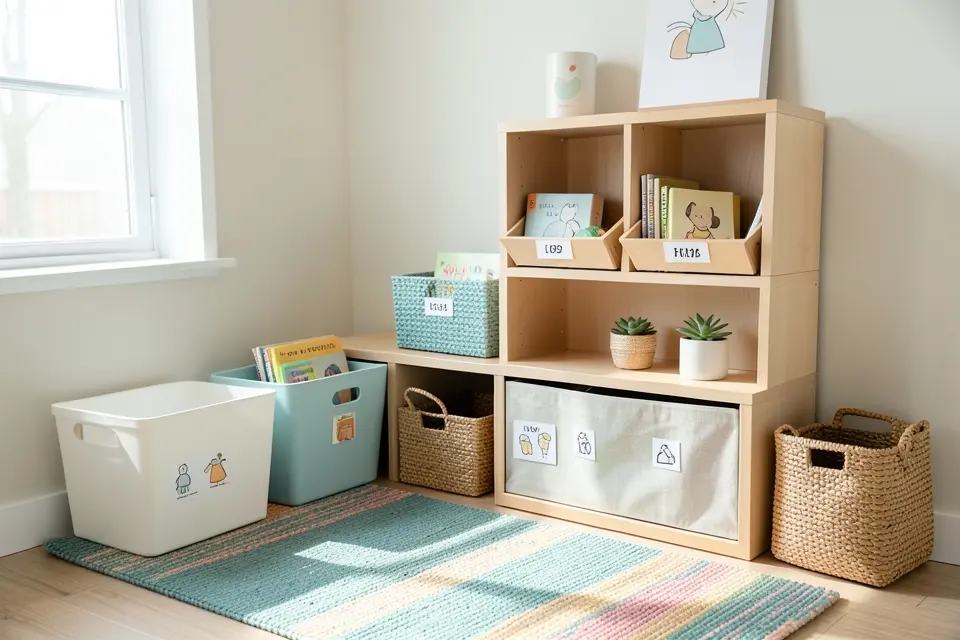
A low‑height bin placed beside the play rug lets kids drop toys straight into it. At eye level, children see the target and reach without help.
Add a basket for books and a drawer for clothes at the same height. When everything is within reach, kids learn to return items after play.
Families with preschoolers benefit most, as the age group is developing independent habits. The downside is toddlers can pull the bins out and dump everything fast.
Choose bins with a shallow lip or a simple flip‑top to slow rapid dumping. These barriers let you step in before the floor fills.
Place a colorful mat under the bins so any spills stay contained and easy to sweep
Alternative: Use a wall‑mounted cubby with pull‑out trays that hide when not needed.
Label each bin with a picture so the child knows where each toy belongs.
2. Implement a Toy Rotation System
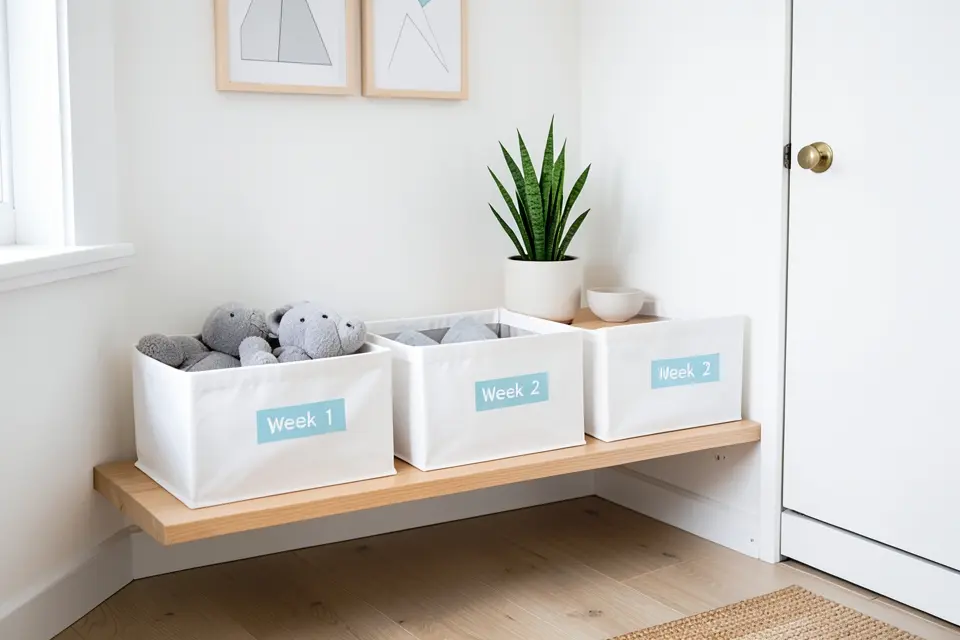
When a dozen stuffed animals spill onto the carpet, playtime turns chaotic, and cleanup drags. A toy rotation system cuts the mess by keeping only a small batch in the play area.
Choose a few sturdy bins that fit a low shelf, and fill one with the toys you want out for two weeks. Stash the other bins on a garage shelf or deep closet until it’s their turn.
The rotation refreshes play without new purchases and reduces visual overload for kids.
Rotate toys on the same weekday each month for a predictable routine.
The downside is needing a dedicated storage zone; small apartments may lack space for off‑duty toys.
Heavy bins can bow weak shelves, so use reinforced or lighter containers.
Label each bin with the week number and swap on the first Saturday of the month. Keep a checklist on the closet door to track storage.
3. Maximize Vertical Space with Wall Organizers
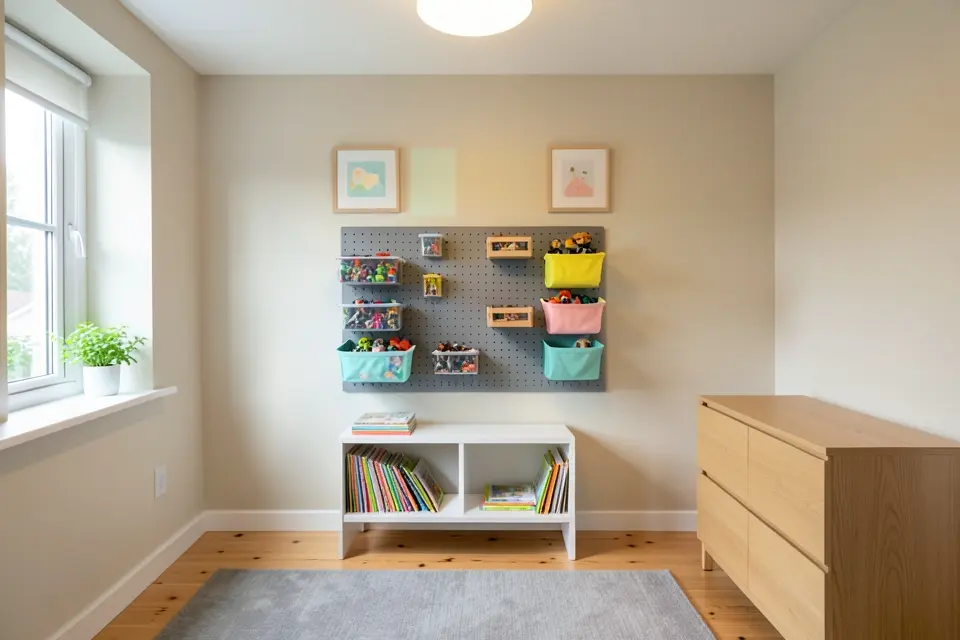
A powder‑coated steel pegboard mounted at child‑height instantly creates zones for crayons, action figures, and small books.
In compact bedrooms, the vertical grid frees floor space while keeping favorite items within easy reach.
Secure the board by anchoring into wall studs; this prevents it from pulling away under the weight of toys.
Drilling into plaster can leave marks and may breach rental agreements, so renters should weigh the risk before committing.
If you’re handy, a DIY drill guide helps, but hiring a pro guarantees stud placement and minimal wall damage.
Use a stud finder before you drill to locate the strongest points quickly
Alternative: adhesive fabric pockets that stick to painted walls provide a temporary storage solution without any holes.
4. Use Clear Bins and Labels (with Pictures)
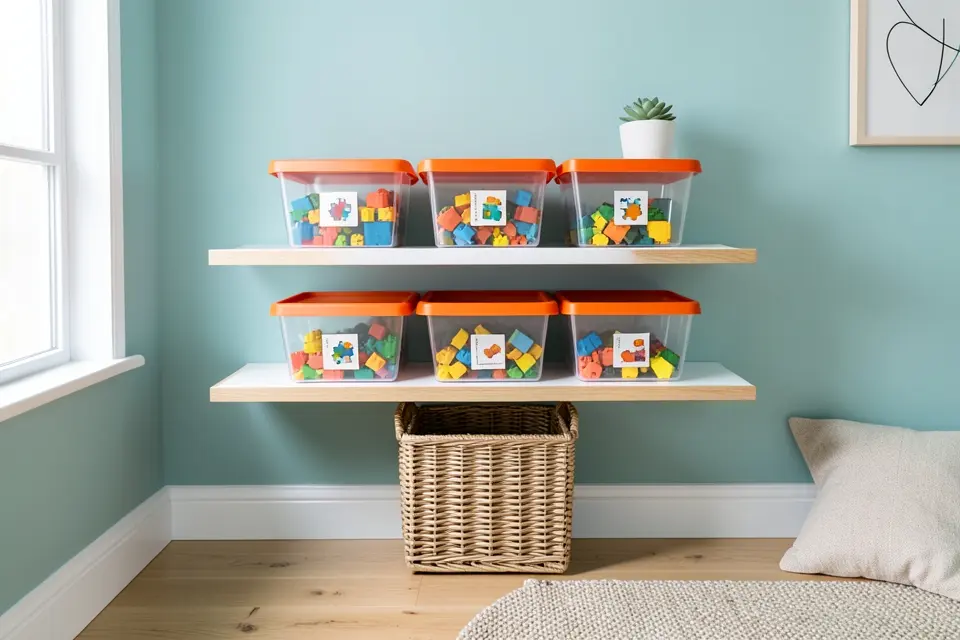
A clear acrylic bin with a bright orange lid sits on the playroom shelf, letting you spot the LEGO bricks inside at a glance.
Kids can instantly see what belongs where, so they rush to return pieces after play. The transparency cuts down the back-and-forth of guessing which bin holds which toy.
For preschoolers, attach a small photo of a puzzle piece next to the text label on each bin. The picture cue tells a child that the jigsaw puzzle belongs there without reading.
This system works best for families with kids aged three to eight who are learning responsibility.
Place the bins at child height so they can reach and close them without help
Clear bins also double as a visual inventory, reminding kids what they own.
Alternative: Use open wicker baskets with printed stickers; they hide some mess but still give a tactile feel.
5. Create a ‘Landing Strip’ for Daily Essentials
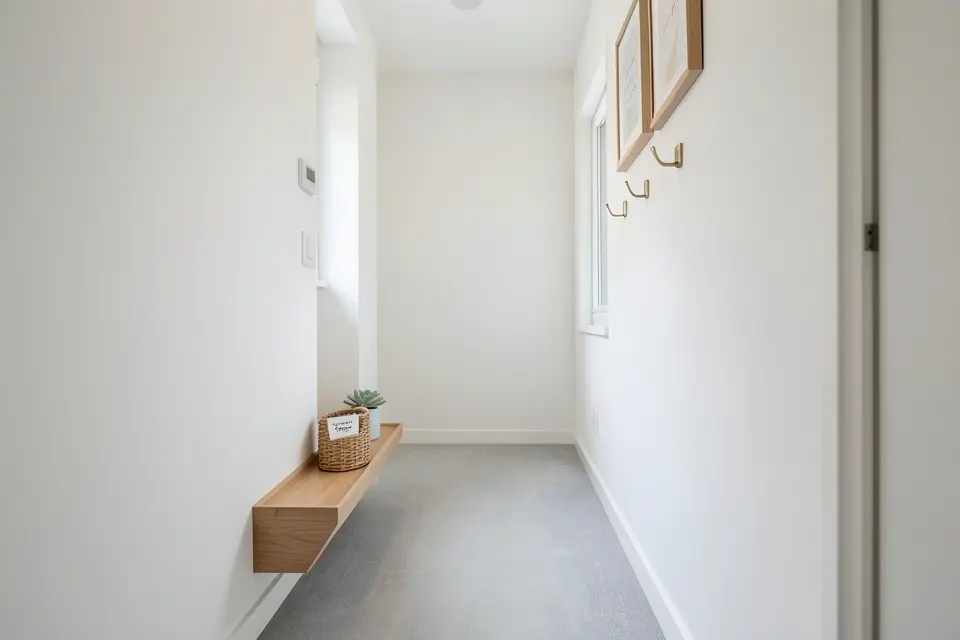
In a front‑door hallway, a low shoe tray anchored to the wall catches sneakers before they roll onto the carpet. Install a row of child‑height hooks beside the tray for backpacks and coats.
The strip gathers the daily influx of items, so nothing spills into the living room and tripping hazards disappear. For renters, use adhesive hooks and a freestanding tray to avoid drilling.
Without a quick tidy‑up, the landing zone can become a chaotic, high‑traffic bottleneck when kids drop heavy gear and shoes.
Enforce a two‑minute clear‑out each morning to keep flow smooth.
Place a small basket on the tray for school papers so they have a home the moment you walk in.
Wipe the tray weekly to prevent shoe scuffs from building up.
Even a 3‑foot entry works; just keep the tray narrow and the hooks spaced evenly. Add a labeled basket for school supplies on the strip to keep paper items off the floor.
6. The ‘One-In, One-Out’ Rule (with Kid Input)
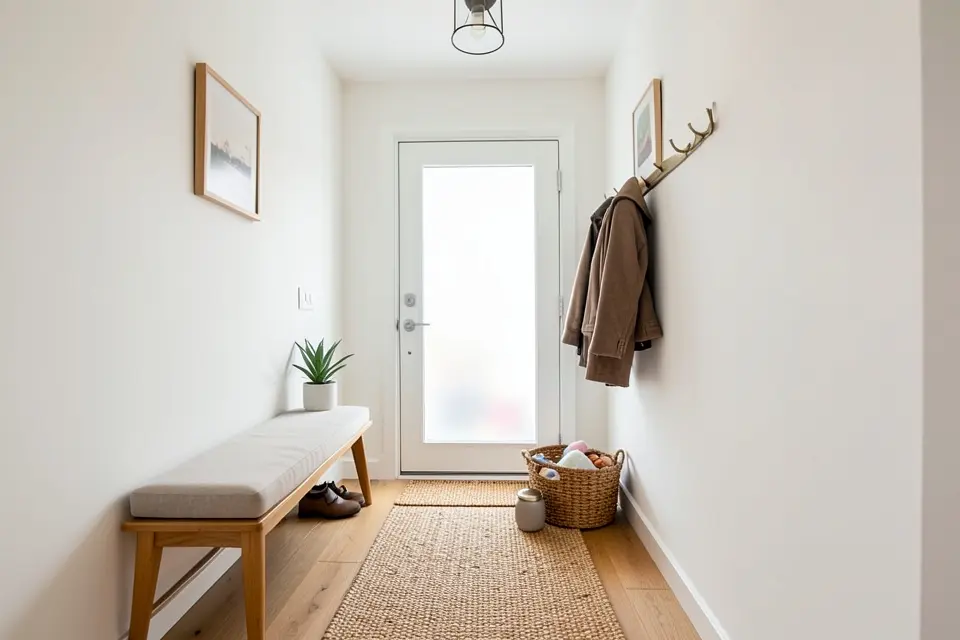
Place a sturdy basket labeled “Swap Box” by the front door to start the one‑in, one‑out routine. Each time a new toy or clothing item comes home, the child must first add an old item to the basket.
Sit together, let the child choose which item to remove, and explain that it will be donated or recycled. The act feels like a fair exchange, not a loss.
The habit teaches mindful buying because the child sees a direct trade, preventing hidden piles from forming. Drawer space stays available, and surfaces stay clear.
Younger children may cling to long-forgotten toys, turning the swap into a power struggle or a stall. If resistance appears, give them a 24-hour cooling-off period before confirming the donation.
Keep the Swap Box in a visible spot and refill it with a small treat after each successful exchange
7. Dedicate a ‘Containment Zone’ for Messy Play
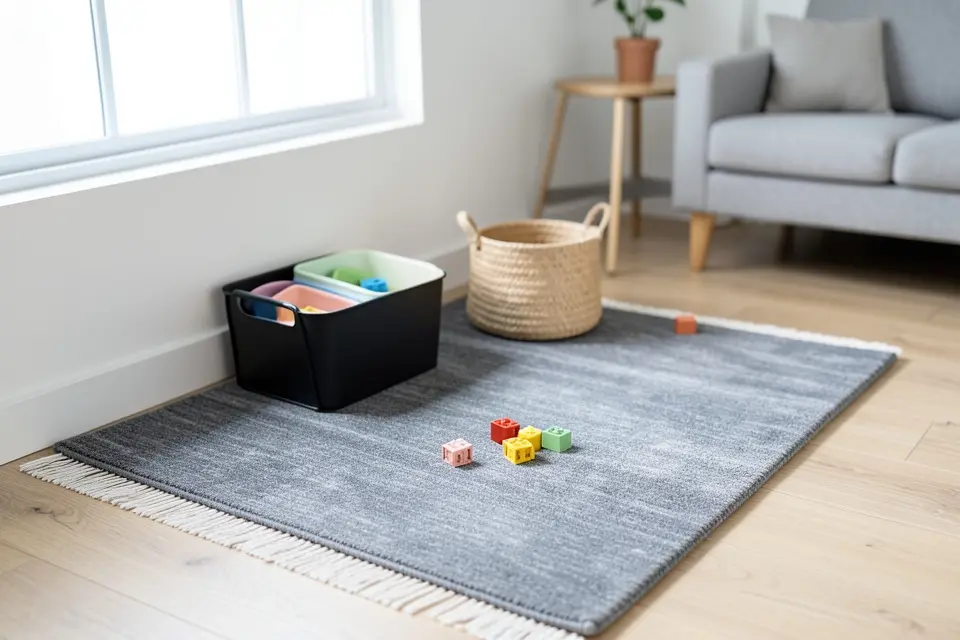
When LEGO bricks spill onto the living room carpet, the mess spreads in minutes. A dedicated zone traps chaos on a single, easy‑to‑clean surface.
Place a low‑pile, washable rug or thick play mat in a corner away from traffic. A neutral tone like slate gray hides stray pieces while staying kid‑friendly.
The zone becomes a visual cue; kids return to it before moving to another room. A smooth floor lets you sweep or vacuum debris in seconds.
The trade‑off is constant supervision; children often drift and scatter toys beyond the zone. Frequent reminders keep the habit, but it adds a monitoring step for parents.
Keep a small bin of trays by the rug so pieces stay inside the zone.
Wash the rug monthly to prevent dust that can trigger allergies.
Alternative: Use a fold‑away play table with bins; store it in a closet when not needed.
8. Master the 5-Minute Tidy Blitz
Set a kitchen timer for five minutes and call it a tidy blitz for the whole family. When the alarm sounds, everyone, kids and adults, rush to put toys, books, and snacks back where they belong. The countdown adds urgency, keeping the effort short and focused.
Because the sprint is fast, kids sometimes toss unrelated objects into the nearest bin to meet the deadline. That habit can scramble the color‑coded system you’ve carefully built over months.
A quick visual check after the blitz catches misplaced items before they blend in.
Keep a laminated cheat‑sheet of item locations on the fridge where everyone can glance quickly.
Use a bright timer kids can see and hear anywhere
Place a small basket by the door for tomorrow’s grab‑and‑go items.
9. Implement Portable Storage for Cross-Room Play
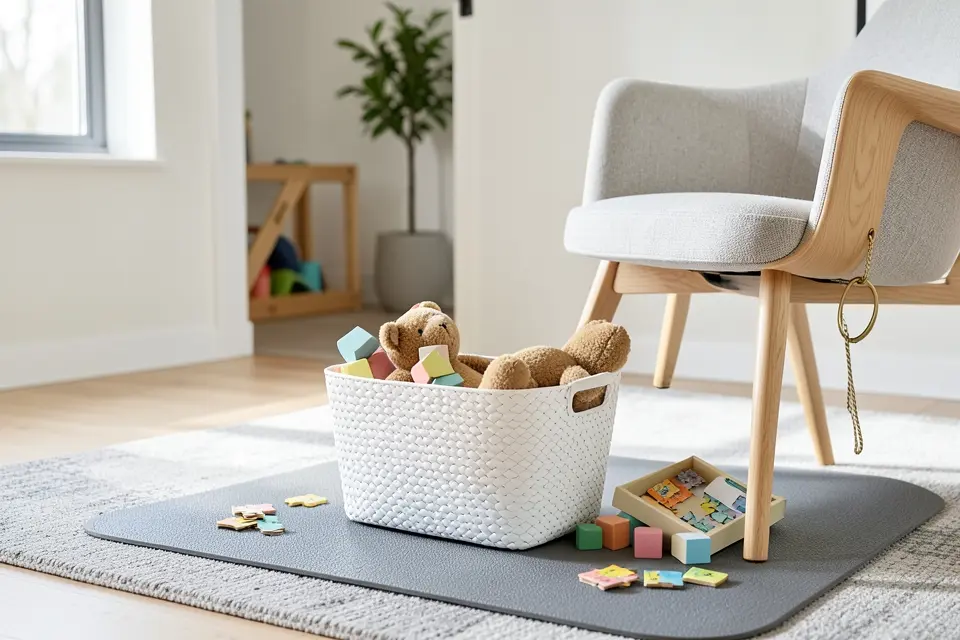
A sturdy woven polypropylene basket with reinforced handles makes moving toys between rooms a breeze.
Because it’s lightweight yet holds a good amount, you can roll it from the playroom to the living room without a second thought.
When the bin fills with blocks, stuffed animals, and puzzles, a child can still lift it, but the weight adds up quickly, especially with younger kids.
That means parents often end up doing the heavy lifting during the final sweep. Choosing a bin with a wide base keeps it stable and reduces the chance of tipping when a child tries to drag it.
Place a rubber mat under the basket to protect floors and make sliding easier
For extra grip, attach a short cord to the handles and loop it over a nearby chair leg while you’re cleaning.
10. Involve Kids in the Decluttering Process
A parent who clears a playroom in ten minutes versus a child who debates each stuffed animal can double the time spent decluttering.
The extra conversation often sparks strong opinions about what belongs, which can stall progress but also builds negotiation skills.
When kids pick what stays, they learn ownership and develop decision‑making habits they carry into school.
This method works best for families with children aged four to ten, who can grasp simple keep‑donate‑trash categories.
Set a timer for each declutter round to keep the pace brisk.
Alternative: Let the child sort a single drawer while the adult handles larger items. The adult can intervene only if the child tries to keep broken toys, keeping the overall timeline shorter.
Place a brightly colored donation bin near the play area so the child can drop items in as soon as they decide.
11. Create a ‘Donation’ Bin Always on Standby
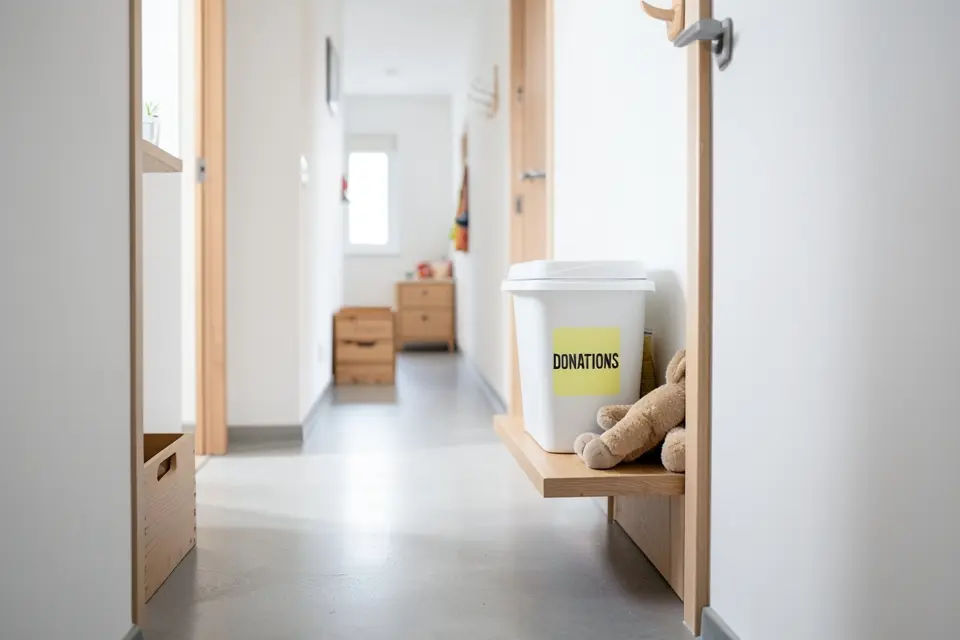
When a pile of outgrown stuffed animals blocks the hallway, the whole house feels cramped. A dedicated donation bin on a low shelf stops the pile from growing.
Place the bin where kids can reach it without climbing, like near the playroom door. Label it with a bright sticker that says “Give Away” so the purpose is clear.
Choose a bin with a snap‑tight lid so dust stays out and the donation items remain tidy.
Because the bin stays visible, children often dig through it to rescue a forgotten action figure. That habit can undo the decluttering effort if not monitored.
Empty the bin weekly to prevent odors and keep the volume manageable.
Keep a small bag of zip ties nearby to bundle loose parts before they go into the bin.
12. Digitize Kids’ Artwork and Sentimental Papers
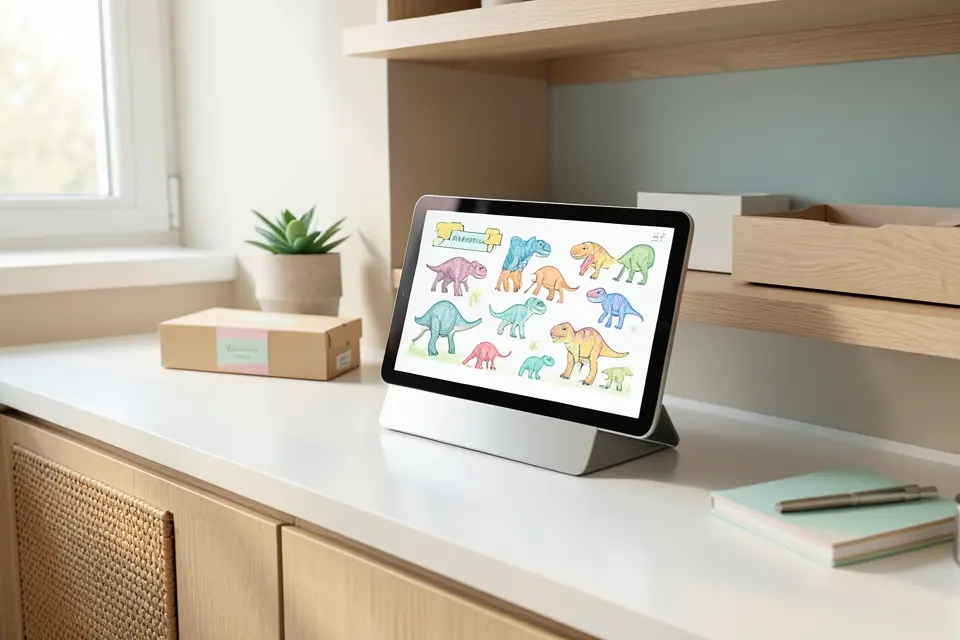
A bright crayon drawing of a dinosaur, now saved as a 1080p image on a tablet, replaces the pile on the kitchen counter.
Seeing the digital copy scroll through a slideshow feels like the artwork is still on display.
Digitizing preserves the memory while shrinking physical clutter.
The process demands a disciplined routine of photographing, naming, and filing each piece, which can feel like an administrative chore.
Snap photos in natural light and name files by date for instant sorting
Store the image folder on both a cloud service and an external hard drive to avoid data loss
Pick three truly special originals each year and store them in a slim, labeled keepsake box per child. The box fits under a bed, keeping the items out of sight.
Alternative: Use a single-frame display that swaps one piece each month, avoiding a full digital catalog.
Your Next Room Refresh
These thirteen hacks give you fast, affordable ways to store toys, sort art supplies, and keep books in line, so daily clean‑ups become a breeze.
Remember to label bins at your child’s eye level, place low shelves within easy reach, and rotate seasonal items in a clear box to keep the clutter from building up. A tidy space also means more room for imagination to roam.
Save this list for your next room refresh and try one new trick each week. Your home will feel calmer, and the kids will love the new order.