
Practical Tips for a Warm, Cozy Living Room That Works
The soft glow of a table lamp catches the edge of a plush throw as you sink into the sofa, instantly making the room feel lived‑in. That quiet moment is what a warm, cozy living room is built around, a blend of light, texture, and a few thoughtful details that invite you to linger.
In this guide, we walk through nine easy upgrades that anyone can add without a major remodel. From swapping a harsh overhead bulb for a warm‑tone LED to layering a woven rug beneath a coffee table, each tip is designed to boost comfort while staying budget‑friendly.
You’ll also discover how a well‑placed shelf of books, a handful of candles, and a splash of earthy paint can reshape the vibe of your space. Add a few natural elements like a woven basket of dried branches or a small indoor tree to bring the outdoors in, and finish with a few family photos in warm‑toned frames for a personalized touch.
1. Layer Textiles for Tangible Comfort

A chunky wool throw in charcoal drapes over the sofa, giving the room instant depth. Pair it with a couple of oversized pillows in faux‑fur and a low‑pile sisal rug to create layers you can sink into.
Wool, chunky knits, and faux‑fur all add softness while breaking up flat surfaces, so the space feels more enclosed. The downside is that these textures attract dust and pet hair, so they need regular attention to stay fresh.
Quick tip: vacuum the rug and shake out pillows weekly, and tumble‑dry the wool throw on low heat to keep fibers plush.
An area rug made of tightly woven wool grounds the seating area and hides floor scratches, yet it will collect crumbs under the coffee table.
Give the rug an outdoor shake before vacuuming to remove larger particles. Place a sisal rug under the coffee table to protect the wool throw from foot traffic.
2. Optimize Lighting Beyond Overhead Fixtures

A single harsh overhead bulb makes the living room feel sterile and dim. Instead, layer light with a floor lamp, a table lamp, and a wall sconce.
Choose bulbs that read 2700K to 3000K for a soft amber glow. A dimmer switch lets you slide the brightness up for reading or down for movie night.
The downside is more visible cords across the floor and furniture. Route them with adhesive cord clips or decorative sleeves to keep the look tidy. Renters can opt for peel‑off cord organizers that leave no holes.
Installing a dimmer is a straightforward DIY job if you’re comfortable with basic electrical connections; otherwise, a licensed electrician can finish the job safely.
Add a cord cover painted the same shade as your baseboard to hide any remaining wires.
3. Choose a Grounded Color Palette
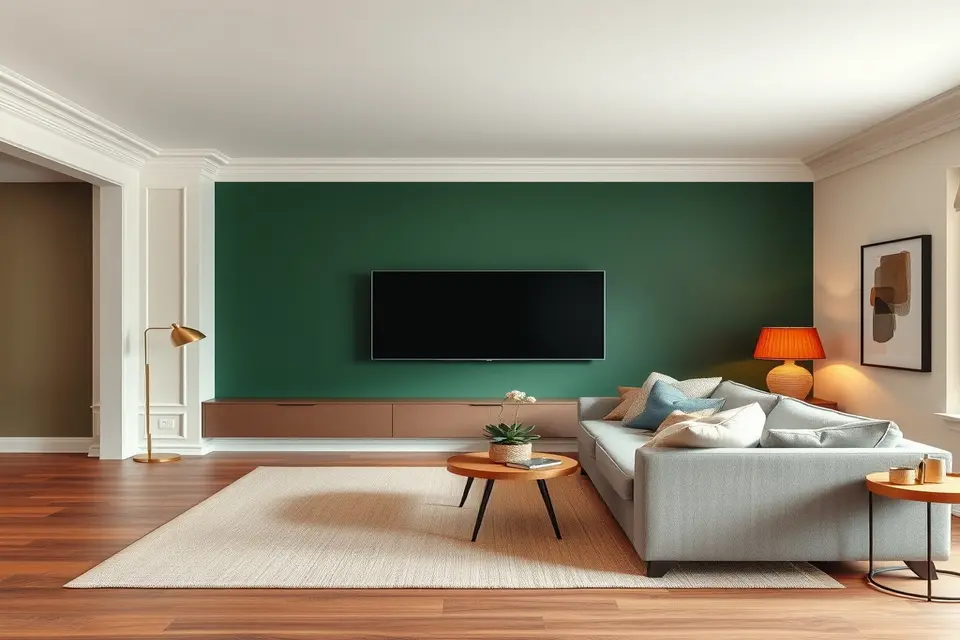
A deep forest‑green wall behind the TV creates a cozy backdrop that draws the eye across the room.
Earthy pigments such as Sherwin‑Williams Rookwood Dark Green, a warm gray like Benjamin Moore Hale Navy, muted blue slate, or rich terracotta absorb light and shrink the visual space, making it feel intimate.
Saturated tones can turn a naturally dark room overly gloomy on gray, overcast winter days, so balance them with a light rug or white ceiling.
For a small floor plan, limit the dark hue to an accent wall and keep surrounding trim in ivory to prevent the room from feeling squeezed.
Quick tip: paint a 2‑foot strip and live with it for 24 hours before finalizing. Renters can swap paint for peel‑and‑stick wallpaper in the same hue. Finish with a brass floor lamp featuring an amber shade to lift the depth of the walls.
4. Arrange Furniture for Conversation and Connection

Place the sofa about two feet from the wall and angle the armchairs so they face each other, forming a compact conversation circle. This layout draws eyes to the center, encouraging guests to talk without straining to be heard.
Align the group toward a fireplace or a large window to give the arrangement a natural focal point. In rooms under 12 × 12 feet, keep the cluster tight; larger spaces can afford a wider spread and a separate reading nook beside the group.
Pulling seating units away from the walls does cut walkway clearance, so active children or pets will have less room to dart through.
Quick tip: choose a low, rectangular coffee table to keep the line of sight open while providing a surface for drinks.
Add a floor lamp behind the armchair to define the conversation corner without crowding the floor.
5. Introduce Natural Materials and Elements
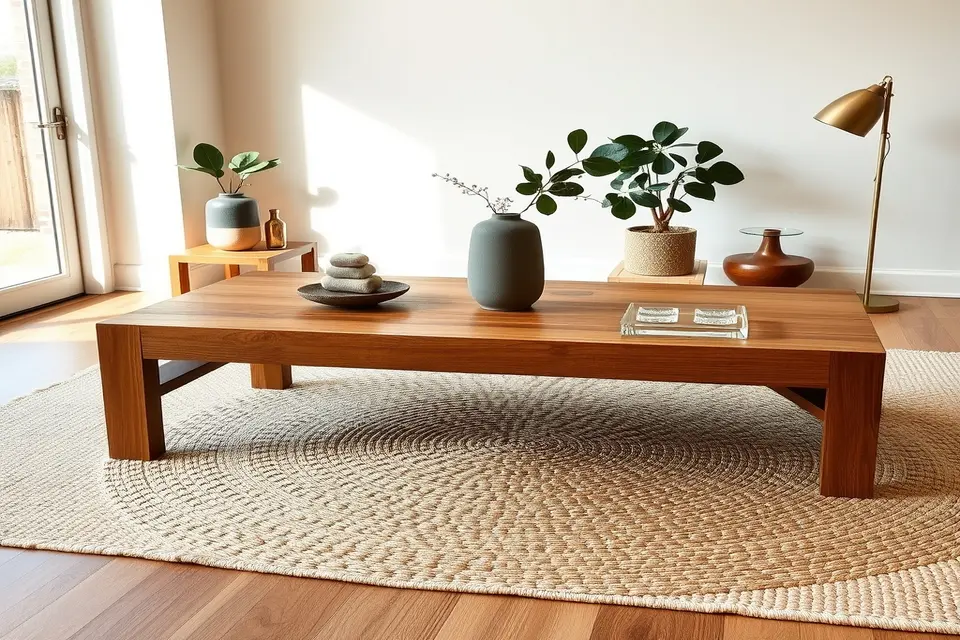
A solid oak coffee table with a natural, untreated finish immediately pulls the room toward the outdoors. Pair it with a hand‑woven jute rug and a matte ceramic vase to keep the palette earthy.
Untreated wood and stone soak up spills, so a single water ring can darken the surface if coasters are ignored. The trade‑off is worth it for the tactile warmth they provide, but it demands disciplined use of coasters and occasional resealing.
Live plants such as a fiddle leaf fig add fresh color while reinforcing the nature theme; they also need regular watering and light, which adds a routine to the décor.
Quick tip: keep a small tray of clear coasters beside the table and reapply a water‑based sealant every six months.
Add a low‑profile plant stand to raise the fig and protect the rug underneath.
6. Use Window Treatments for Softness and Privacy
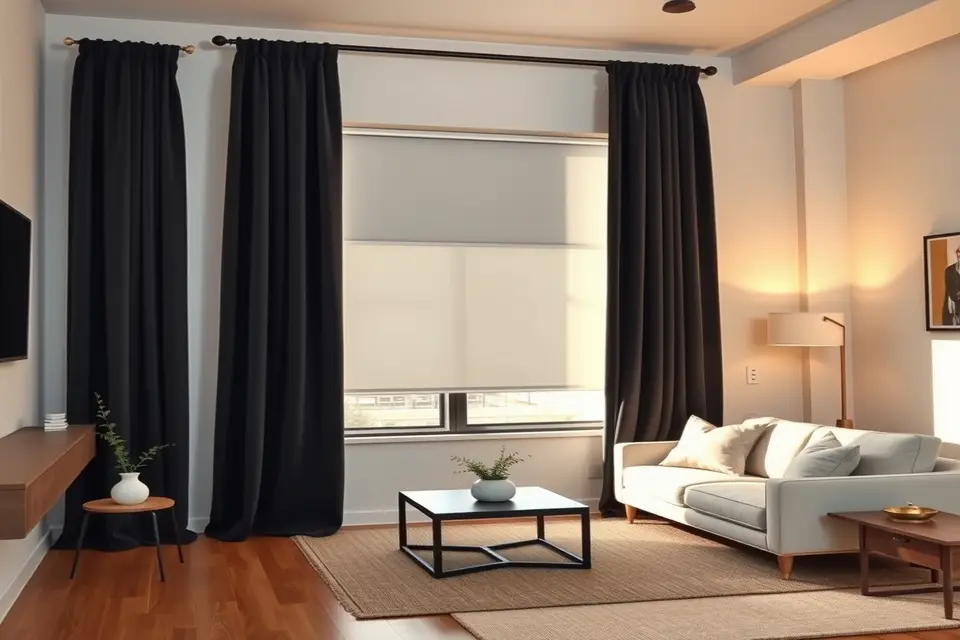
A floor‑length panel of deep charcoal velvet drapes the window, its plush folds absorbing the room’s soft glow.
The weight of the fabric blocks drafts, keeping the space warmer without cranking the thermostat. Layer a slim blind behind the curtains for extra privacy while still letting light filter through.
If you rent, install the drapes on a tension rod; it leaves no holes and can be removed cleanly.
Quick tip: attach magnetic tape to the bottom hem to keep the curtains from billowing on breezy days.
Remember that velvet and dense linen attract dust, so schedule professional dry cleaning every few months to avoid shrinkage.
A simple vacuum with a brush attachment can reduce surface dust between cleanings. Add a weighted curtain tie‑back to keep the drapes snug against the wall on windy days.
7. Add Personalized, Meaningful Objects
A single, well‑chosen photograph on the side table outweighs a cluttered bookshelf of random trinkets when you want warmth. Choose pieces that truly speak to you—a travel‑size sketch, a beloved novel, a handmade mug.
Limit the group to three or four items; the eye settles on each without feeling overwhelmed. Position them at eye level so the story unfolds naturally as you move through the room. This curated approach adds personality while keeping floor space open.
Remember, each loose book and knickknack creates a small surface that gathers dust quickly, so schedule a brief wipe‑down twice a week.
Quick tip: keep a microfiber cloth in the living room and glide it over tops and spines every few days.
Swap one object for a seasonal memory every few months to keep the display fresh. Rotate the displayed items every season to keep dust low and the look fresh.
8. Consider a Fireplace or Alternative Heat Source
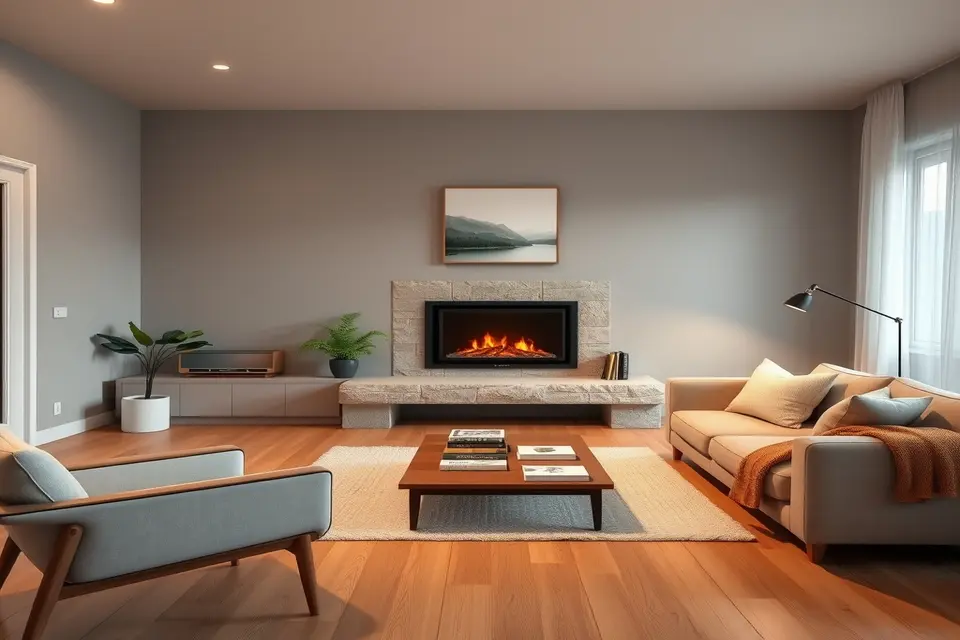
When the living room feels drafty, and the thermostat can’t keep the chill at bay, a fireplace or its modern alternative can be the missing piece.
An electric fireplace offers the flicker of flame without a chimney, and a compact space heater adds direct warmth on cold evenings.
Renters appreciate plug‑in models because they require no drilling or permanent venting, making removal easy at move‑out. High‑quality electric units often pull a lot of power, which can noticeably lift monthly utility bills during peak winter months.
If you prefer a built‑in look, professional installation handles the necessary wiring. It ensures safety, while a DIY plug‑in insert can be set up in minutes with just an outlet.
For the best balance of comfort and cost, choose a unit with a programmable timer and set it to shut off after two hours.
9. Incorporate Soft Scents and Subtle Sounds
In a living room that opens to the dining area, a subtle scent unifies the space. A compact ultrasonic diffuser with a few drops of cedarwood oil emits a gentle aroma that stays present but never cloying.
A single sandalwood candle on a decorative tray adds warm light and a faint woody note. Pair this with low‑volume acoustic piano tracks; the music fills background silence without demanding attention.
Strong synthetic fragrances and continuous ambient sounds can trigger headaches or sensory fatigue for sensitive family members or guests.
Quick tip: swap the oil blend weekly to keep the air fresh. As an alternative, place a bowl of dried lavender or a simmer pot of cinnamon sticks on the mantel. Set a timer so the cedarwood diffuser runs only after sunset each night.
10. Utilize Storage to Reduce Visual Clutter
When the living room looks like a dumping ground for mail, blankets, and kids’ toys, the space feels chaotic rather than inviting. Taming that mess with dedicated storage lets the eye rest and the soft textures shine.
Choose woven baskets for throw blankets, an ottoman with a lift‑top for board games, and a low cabinet with push‑latch doors for everyday electronics. Closed storage hides clutter while keeping items within arm’s reach.
Quick tip: label each basket by category so everyone knows where to put things back. This approach works well for families with children and for busy professionals who need a tidy backdrop for video calls.
Remember, over‑relying on opaque boxes can encourage hoarding instead of decluttering, so schedule a quarterly purge. Place a slim pull‑out drawer under the coffee table for magazines to keep them organized.
Your Next Cozy Update
Start by layering texture: a chunky knit throw, velvet cushions, and a soft rug instantly add depth. Next, swap harsh lighting for warm lamps or LED bulbs and scatter a few candles for a gentle glow.
Finally, bring nature inside with a low‑maintenance plant or a vase of dried flowers to keep the room feeling alive. Add a piece of artwork or a framed photo in a warm wood frame to tie the colors together and make the space feel uniquely yours.
With these three moves, you can coax a welcoming warmth out of any living room without a big project. Pin this guide and keep it saved for your next room refresh.
Frequently Asked Questions
How can I make my living room feel warm and cozy?
You can make your living room feel warm and cozy by layering textiles, using multiple warm light sources, choosing an earthy color palette, and arranging furniture for intimacy.
What colors make a living room feel cozy?
Earthy tones such as deep greens, warm grays, muted blues, terracotta, and rich browns tend to make a living room feel more intimate and cozy.
What type of lighting creates a cozy atmosphere?
Multiple light sources at different heights, with bulbs in the 2700K to 3000K range and dimmer switches, create a warm, cozy lighting atmosphere.
How can I make a large living room feel cozier?
To make a large living room feel cozier, arrange furniture in conversation groupings, use large area rugs to define zones, and opt for heavier, floor-length window treatments to soften the space.
Are plants good for a cozy living room?
Yes, live plants introduce natural elements and life into a room, contributing to a warmer and more inviting atmosphere, provided they receive proper care.