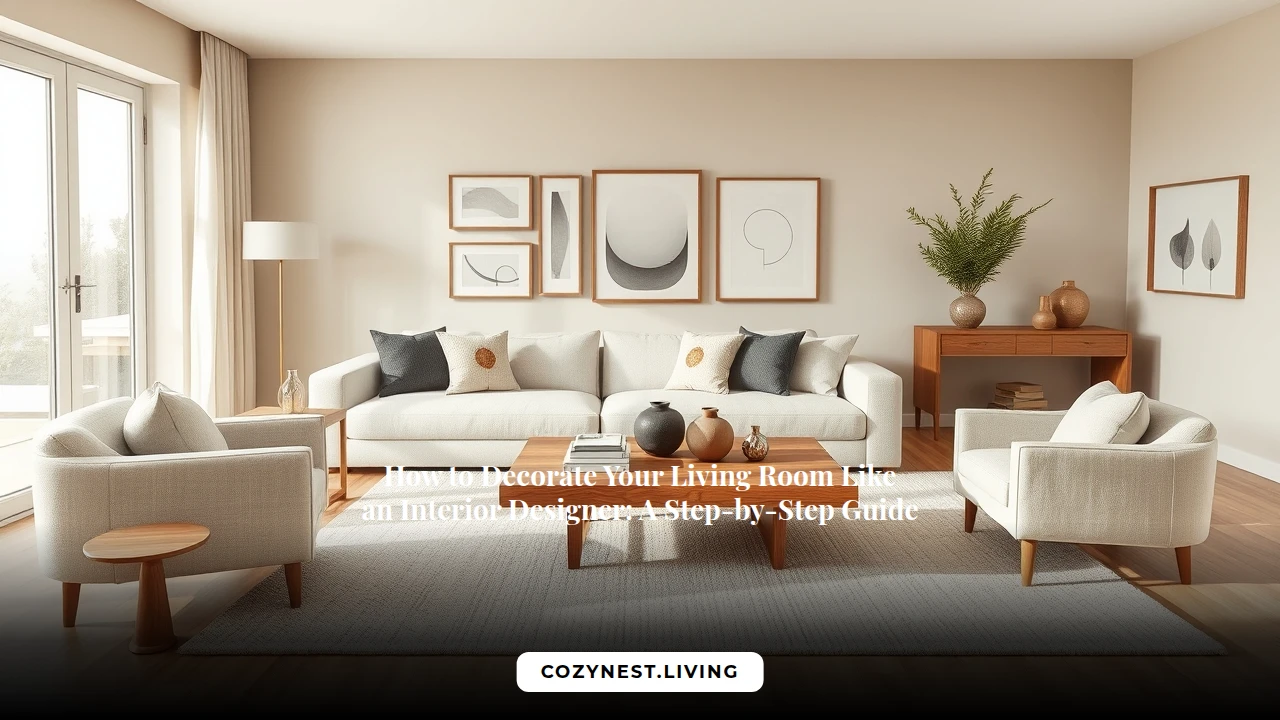
How to Decorate Your Living Room Like an Interior Designer: A Step-by-Step Guide
Have you ever walked into a living room that felt like a perfect blend of style and comfort? A space where every piece of furniture, every color, and every texture seemed to come together in harmony? That’s the magic of a well-designed living room, and it’s not just reserved for professional interior designers. With the right guidance, you can create a living room that’s both beautiful and functional, a space that reflects your personality and meets your needs.
Step 1: Define Your Style and Vision
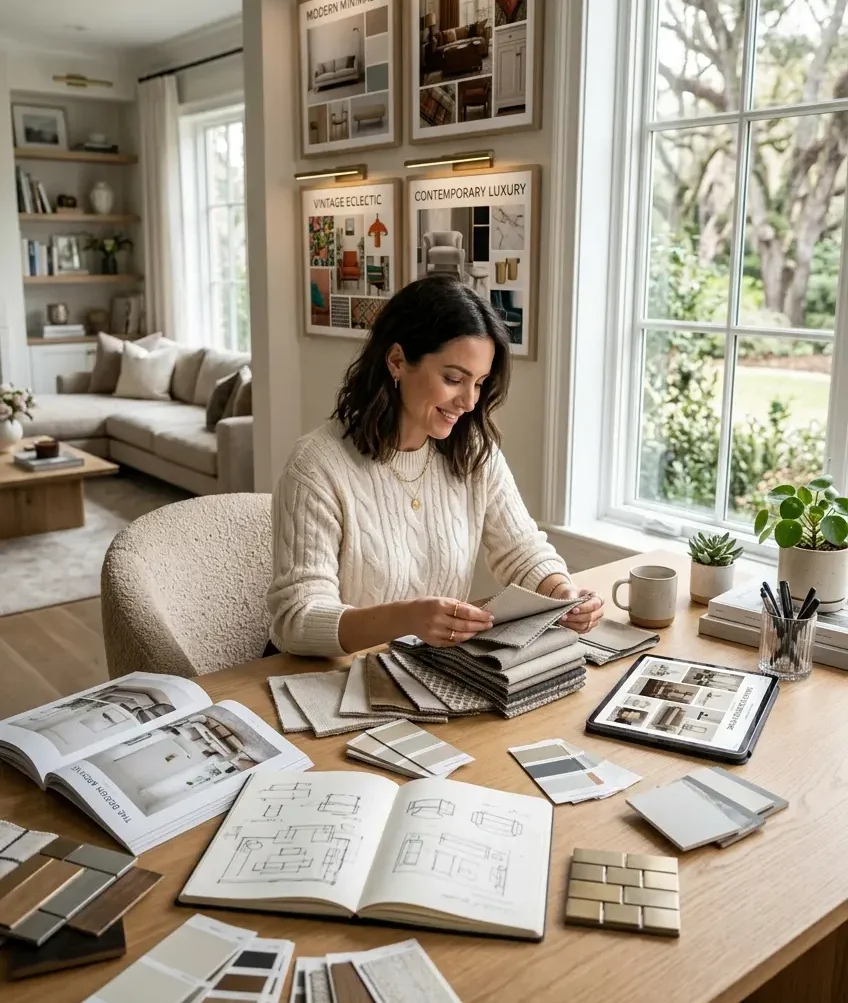
Your preferences will be the foundation of your design decisions, so take some time to gather inspiration. Collect images of rooms you adore, noting what specifically draws you to each space – the color palette, the furniture, the textures. This visual library will help you identify patterns and themes that resonate with you.
As you explore your tastes, also ponder the mood you want to create in your living room. Do you envision a vibrant, energetic atmosphere or a calm, serene one? Defining this will guide your choices on everything from color schemes to lighting, ensuring your space not only looks beautiful but also feels exactly right for you.
By clarifying your style and vision at the outset, you’ll set yourself up for a decorating process that’s both enjoyable and effective, resulting in a living room that’s a genuine reflection of your personality and needs.
Step 2: Assess Your Space and Functionality Needs
Start by measuring the room’s dimensions, noting the location of doors, windows, and any architectural features like fireplaces or built-in shelves. Consider how these elements will impact your furniture placement and overall design.
Think about how you plan to use the room – will it be for relaxing, entertaining, or a combination of both? This will help you identify the functional zones you need to create, such as a conversation area or a home office nook.
A common mistake people make at this stage is forgetting to consider the traffic flow through the room. Leave enough space between furniture pieces for people to move comfortably, and think about the path you’ll take when walking through the room.
Step 3: Create a Floor Plan and Layout
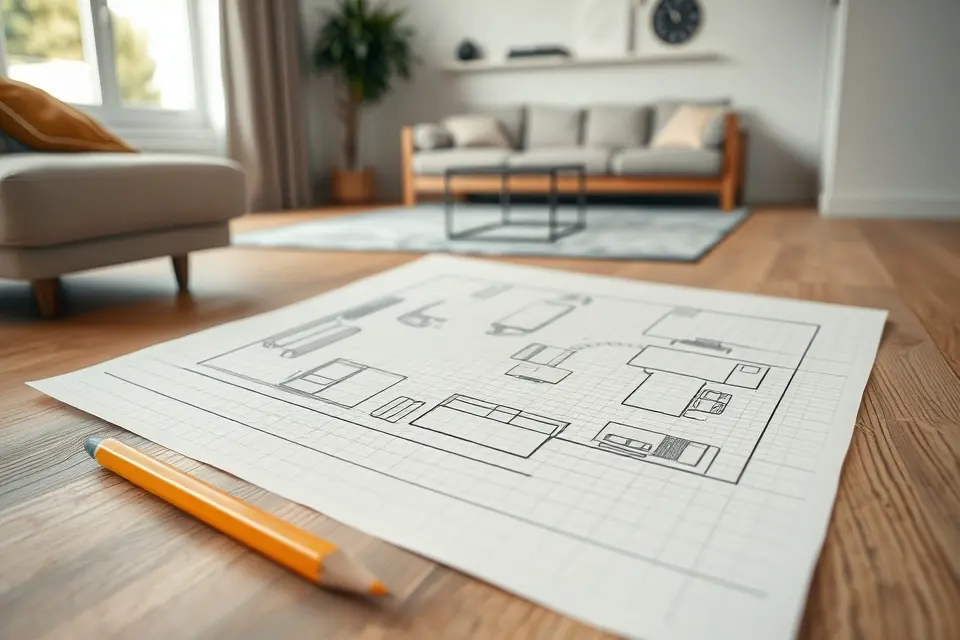
This step allows you to strategically arrange furniture, ensuring a space that flows effortlessly and fosters meaningful conversations. Start by measuring your room, noting the dimensions of each wall, door, window, and any architectural features.
Next, decide on the purpose of your living room – will it be a cozy retreat for relaxation or an entertaining hub for friends and family? This will help you determine the optimal layout, including the placement of key furniture pieces like the sofa, armchairs, and coffee table.
Consider the flow of traffic and the creation of intimate conversation areas, where people can easily engage with each other.
The result should be a harmonious space that not only reflects your personal style but also functions beautifully for everyday living.
Step 4: Choose Your Color Palette
When it comes to decorating your living room, the color palette sets the tone for the entire space. A well-chosen color scheme can make a room feel larger, brighter, and more inviting. To select a cohesive palette, start by considering the room’s natural light and existing elements, such as the color of the flooring, furniture, and any architectural features.
Think about the mood you want to create in your living room – do you want it to be calm and relaxing, or energetic and vibrant? This will help you narrow down your color options.
Look for inspiration in nature, art, or even your favorite clothing and accessories to find a palette that reflects your personal style.
A common mistake people make when choosing a color palette is selecting too many colors, which can make the room feel chaotic. Instead, try limiting your palette to three to four core colors that work well together.
Remember, the 60-30-10 rule is a good guideline to follow: 60% of the room should be a dominant color, 30% a secondary color, and 10% an accent color.
Step 5: Select Key Furniture Pieces
A sofa, for instance, is more than just a piece of furniture – it’s the anchor that holds the room together. Consider the style you’ve chosen for your living room and look for a sofa that not only fits but also complements it.
An oversized sofa in a small room can make the space feel claustrophobic, while a tiny sofa in a large room can look lost.
Accent chairs can add an extra layer of style and functionality, providing additional seating without overwhelming the space.
To ensure your furniture choices work well together, consider creating a floor plan or using an online room planner to visualize how different pieces will fit in your room. This will help you avoid common mistakes like overcrowding or leaving too much empty space.
Step 6: Incorporate Layered Lighting
This step involves layering different types of lighting to achieve a warm and welcoming atmosphere. Start by considering the ambient lighting, which provides overall illumination to the room – table lamps or a stylish floor lamp can be great options.
A desk lamp or a pendant light above a console table can provide focused light exactly where it’s needed.
Accent lighting is all about creating visual interest and drawing attention to specific features, like a beautiful piece of art or a stunning vase.
By layering ambient, task, and accent lighting, you can create a space that’s not only beautiful but also highly functional.
Step 7: Add Textures and Patterns
This can be achieved through textiles like throw blankets, pillows, and upholstery, which introduce a tactile element to the space.
A well-placed area rug can also add warmth and texture to the room, while a natural fiber rug like jute or sisal can bring in an organic feel.
The key is to vary the textures to keep the space engaging, so don’t be afraid to mix different materials and finishes, such as wood, metal, and glass.
Start with a neutral base, like a solid-colored sofa, and then add patterned accents through throw pillows, blankets, or a statement armchair.
By introducing a variety of textures and patterns, you can create a living room that feels layered and inviting, making it the perfect space to relax and unwind.
Step 8: Curate Decor and Accessories
Start by selecting a few statement pieces of artwork that resonate with your theme and personal style, whether it’s a vibrant abstract painting or a vintage black and white photograph.
These pieces will serve as the foundation for the rest of your decor, helping to guide your choices for smaller decorative objects and personal touches.
When placing these items, remember that balance is key – avoid over-accessorizing, and instead, opt for a thoughtful, edited approach that allows each piece to shine.
A simple styling tip is to group similar items together, like framed photographs or decorative objects, to create a sense of visual cohesion and harmony.
By carefully curating your decor and accessories, you’ll be able to create a living room that not only reflects your personality but also tells a story, making it a truly inviting and memorable space for you and your guests.
Step 9: Final Styling and Review
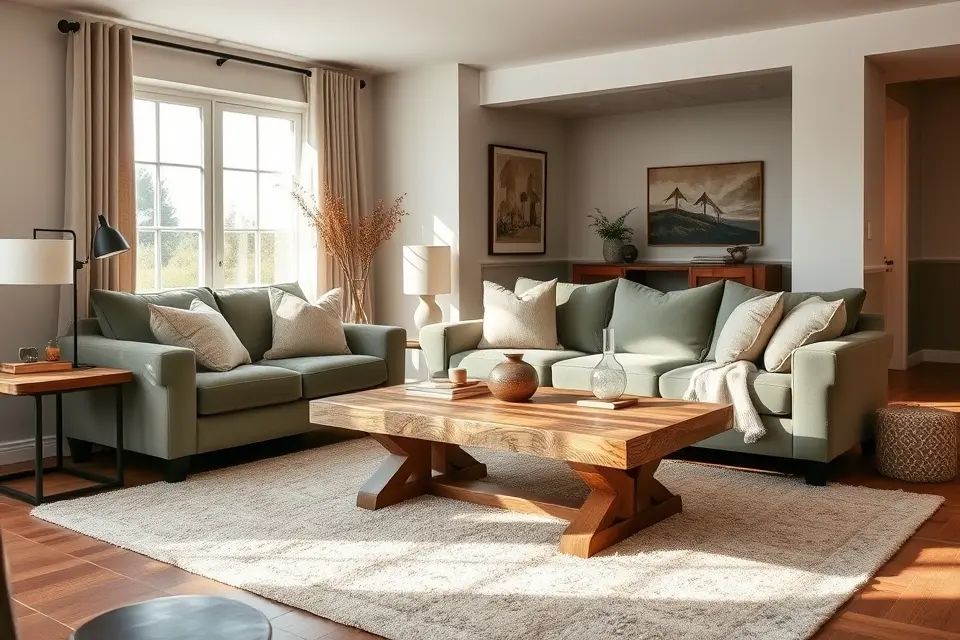
This is where the room starts to feel like a cohesive space, rather than just a collection of individual items. Pay attention to the balance of the room, ensuring that no one area feels too heavy or too light.
Check that the furniture is balanced, the textures are varied, and the colors are harmonious. Make a mental note of any areas that need adjustment, whether it’s swapping out a throw pillow or rearranging the layout of the coffee table.
The goal is to create a space that feels polished and professionally designed, so don’t be afraid to trust your instincts and make adjustments until it feels just right. When you’re finished, the room should feel like a reflection of your personal style, inviting and comfortable for relaxation and entertainment.
Before You Start Rearranging
Remember, decorating your living room like an interior designer is all about creating a space that feels authentic and inviting. Don’t be afraid to experiment, try new things, and make mistakes. With these steps and tips, you’ll be well on your way to designing a living room that you’ll love spending time in. So, start rearranging, and don’t forget to save this pin for your next room refresh!
Frequently Asked Questions
What are the essential elements of an interior designer’s living room?
An interior designer’s living room typically includes a well-defined color palette, thoughtful furniture arrangement for functionality and flow, layered lighting, a mix of textures, curated art, and personal accessories.
How do interior designers choose a color palette for a living room?
Designers often start with inspiration (a piece of art, a rug, or nature), consider the room’s natural light, existing finishes, and the desired mood, then select a main color, a neutral, and an accent color.
What are common mistakes to avoid when decorating a living room?
Avoid common pitfalls like overcrowding the space with too much furniture, choosing the wrong scale of furniture, poor lighting, not having a clear focal point, and ignoring the room’s natural flow.
How can I make my living room look luxurious on a budget?
Achieve a luxurious look by focusing on key elements like high-quality textiles (throw pillows, blankets), adding statement lighting, incorporating mirrors, choosing a sophisticated color scheme, and decluttering for a minimalist feel.
Should I use a rug in my living room and what size?
Yes, a rug can anchor the space, add warmth, and define zones. For size, ensure at least the front two legs of all main seating pieces rest on the rug, or ideally, all legs for a grander feel.