Discover Your Dream Aesthetic: An Ultimate Guide to Popular Interior Design Styles
This guide will take you on a journey through the most popular interior design styles, helping you discover the perfect aesthetic for your home. Whether you’re a fan of industrial chic or coastal cool, we’ve got you covered with the top trends and timeless classics.
1. Modern Interior Design
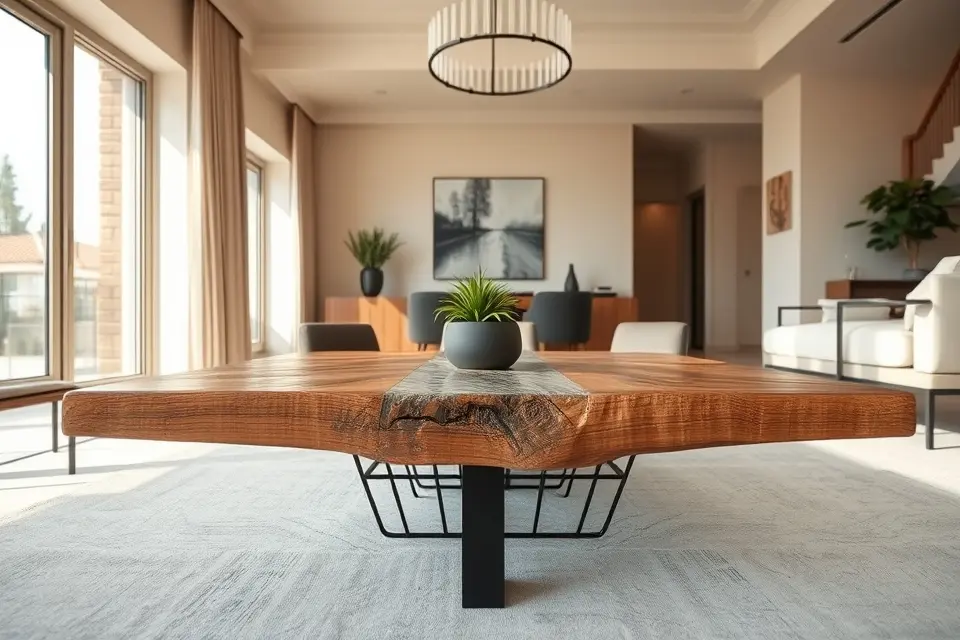
This is the world of modern interior design, where form and function blend seamlessly to create a truly timeless aesthetic. With its emphasis on clean lines, organic materials, and functional layouts, modern design is perfect for those who crave a sense of simplicity and sophistication.
The beauty of modern interior design lies in its ability to adapt to any environment, from a cozy urban loft to a sprawling suburban home.
By incorporating natural materials like wood, stone, and plants, you can bring a sense of warmth and texture to your space, balancing out the sleekness of modern lines. Consider adding a reclaimed wood coffee table or a living wall to your room to inject a touch of organic charm.
One of the key principles of modern interior design is the emphasis on negative space, allowing the eye to roam freely and creating a sense of breathability in the room.
To achieve this, try paring down your decor to only the most essential pieces, and use a neutral color palette to create a sense of calm. A simple yet stylish sofa, a minimalist coffee table, and a statement light fixture can be all you need to create a modern oasis.
By embracing the principles of modern interior design, you can create a space that is not only beautiful but also highly functional, perfect for relaxing, entertaining, or simply enjoying the beauty of everyday.
2. Mid-Century Modern Charm
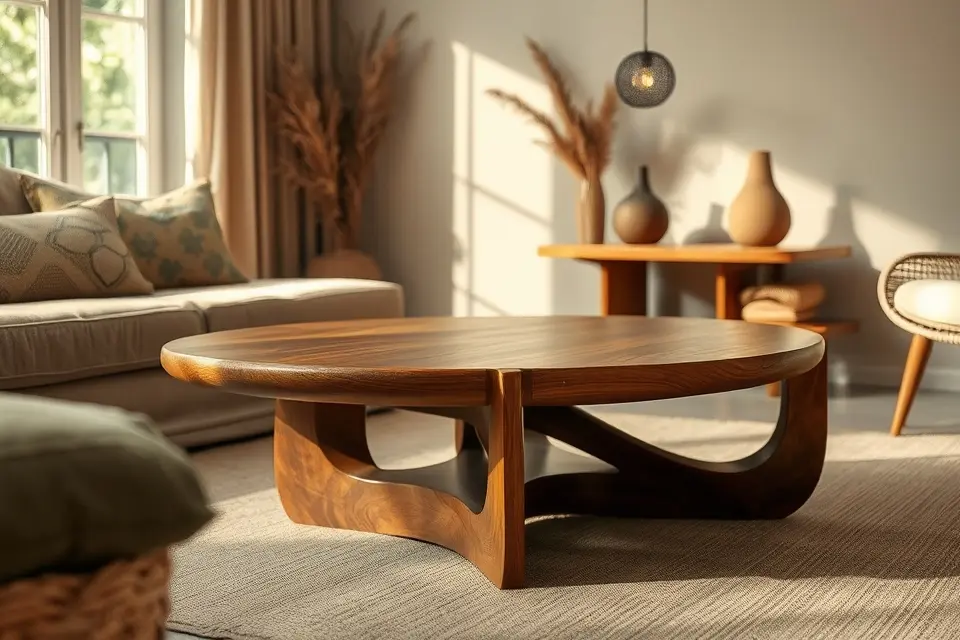
Mid-Century Modern design is a timeless treasure that continues to captivate homeowners with its unique blend of functionality and sleek sophistication.
Characterized by iconic furniture pieces like Eames chairs and Noguchi coffee tables, this style celebrates organic shapes and minimalist forms that exude a sense of effortless elegance.
The beauty of Mid-Century Modern lies in its ability to balance clean lines with an appreciation for natural materials, resulting in spaces that feel both modern and cozy. To achieve this look, consider incorporating statement pieces with rounded edges, such as a vintage globe pendant light or a sculptural wooden side table.
One of the most distinctive features of Mid-Century Modern design is its use of bold, graphic patterns and earthy tones, which add depth and visual interest to a room.
A practical tip for incorporating this style into your own home is to start with a neutral color palette and then add pops of personality through patterned textiles and accessories.
For a truly immersive Mid-Century Modern experience, visit the iconic Kaufmann House in Palm Springs, California, which showcases the style’s signature blend of modernism and desert chic.
3. Bohemian Rhapsody: Eclectic & Free-Spirited
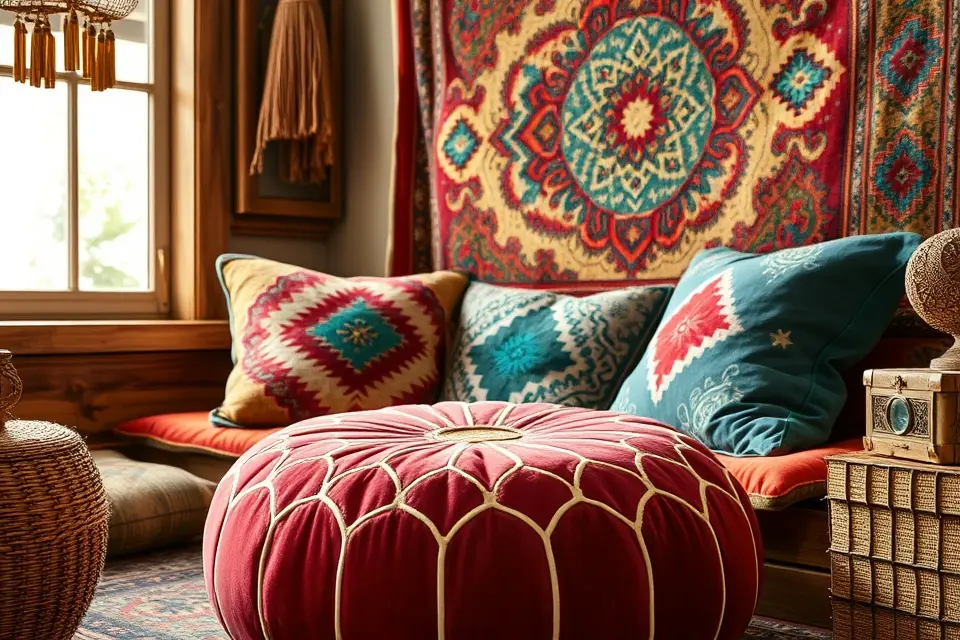
Bohemian interior design is a style that embodies the carefree spirit of a global traveler, with a mix of eclectic elements that create a richly textured and inviting space.
Think colorful textiles, vintage furniture, and unique accessories that reflect a life well-traveled. To bring this look into your home, start by collecting items that tell a story, such as a vintage Moroccan rug or a handmade Indian tapestry.
The key to pulling off a Bohemian look is to embrace a relaxed, effortless vibe, where nothing matches but everything works together in harmony. This might mean pairing a plush velvet sofa with a reclaimed wood coffee table, or hanging a macrame wall hanging above a vintage Moroccan pouf.
The goal is to create a space that feels curated, yet spontaneous, as if you’ve gathered all your favorite treasures from a lifetime of adventures.
One of the most defining features of Bohemian design is its use of global inspiration, from the intricate patterns of African textiles to the bold colors of Indian block printing.
To incorporate this element into your space, try adding a few statement pieces, such as a colorful kilim rug or a handmade ceramic vase from a local artisan. Remember, the key to Bohemian style is to mix and match different cultures and textures, creating a space that feels truly one-of-a-kind.
With a little bit of imagination and a lot of heart, you can create a space that feels like a true reflection of your free-spirited personality, a space that’s perfect for relaxing, entertaining, and making memories with the people you love.
4. Rustic Farmhouse Comfort
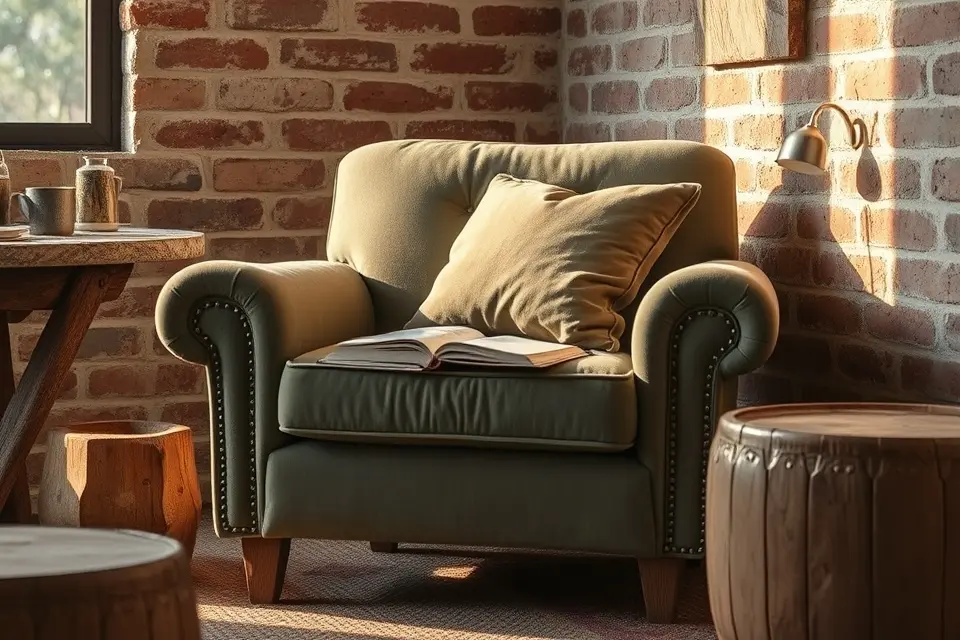
Rustic Farmhouse Comfort is all about embracing the warmth and coziness of a bygone era, where vintage-inspired elements and natural textures come together to create a welcoming atmosphere.
Imagine sinking into a plush armchair, surrounded by reclaimed wood accents and soft, golden lighting. This style is perfect for those who crave a sense of comfort and relaxation in their home.
The key to achieving this look is to focus on natural materials, such as wood, stone, and brick, which add depth and character to a room.
Consider incorporating vintage or antique pieces, like old doors, windows, or metalware, to add a touch of history and personality to your space. A practical tip is to shop at local flea markets or antique stores to find unique, one-of-a-kind pieces that will make your space truly special.
To bring the outdoors in, add plenty of greenery, like potted plants or a living wall, to your space. This will not only purify the air but also create a sense of calm and serenity. Earthy tones, such as sage green, sandy beige, and weathered wood, will also help to create a cozy and inviting atmosphere.
5. Industrial Chic: Raw & Urban
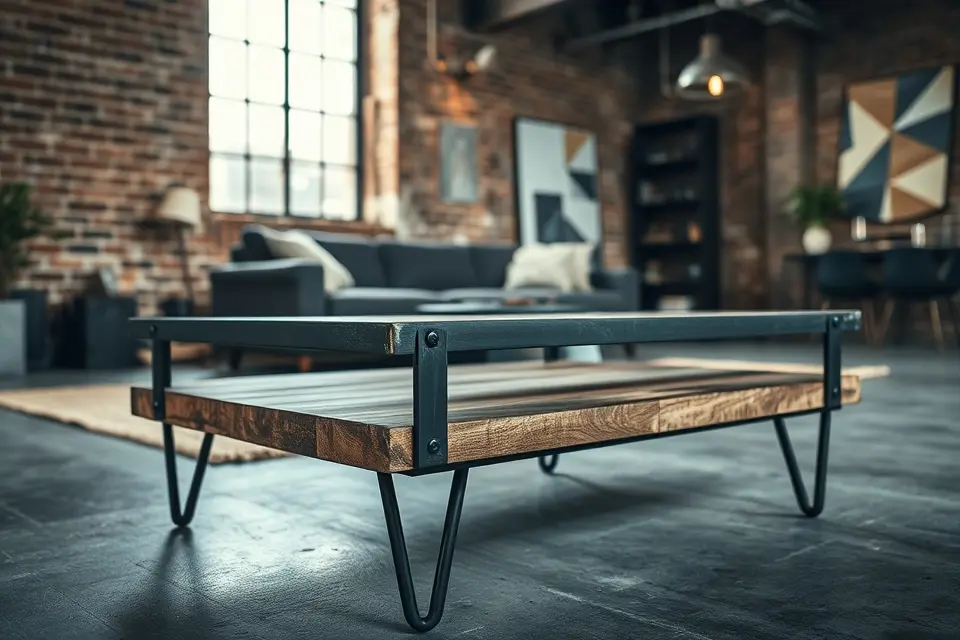
Industrial Chic is a design style that celebrates the raw and the unfinished, embracing the beauty of exposed brick, metal beams, and reclaimed wood.
This aesthetic is perfect for those who love the urban, edgy feel of old factories and warehouses, and want to bring that same energy into their homes. To get the look, consider incorporating salvaged materials, like old factory windows or metal doors, into your decor.
The key to pulling off Industrial Chic is to balance rough, unfinished textures with sleek, modern accents. Think concrete floors paired with plush area rugs, or metal lighting fixtures suspended above a cozy reading nook. This contrast between hard and soft, rough and smooth, is what gives Industrial Chic its unique visual appeal.
One of the most iconic features of Industrial Chic is the use of exposed brick, which adds a touch of rugged authenticity to any room. To make the most of this feature, keep the surrounding decor simple and understated, letting the brick be the star of the show.
A few well-placed pieces of industrial-style furniture, like a metal coffee table or a vintage factory chair, can also help to reinforce the look.
For an Industrial Chic experience, consider visiting old factories or warehouses that have been converted into trendy bars, restaurants, or shops.
These spaces often feature many of the same design elements that define the style, from exposed ductwork to reclaimed wood accents, and can be a great source of inspiration for your own decorating projects.
6. Scandinavian Serenity
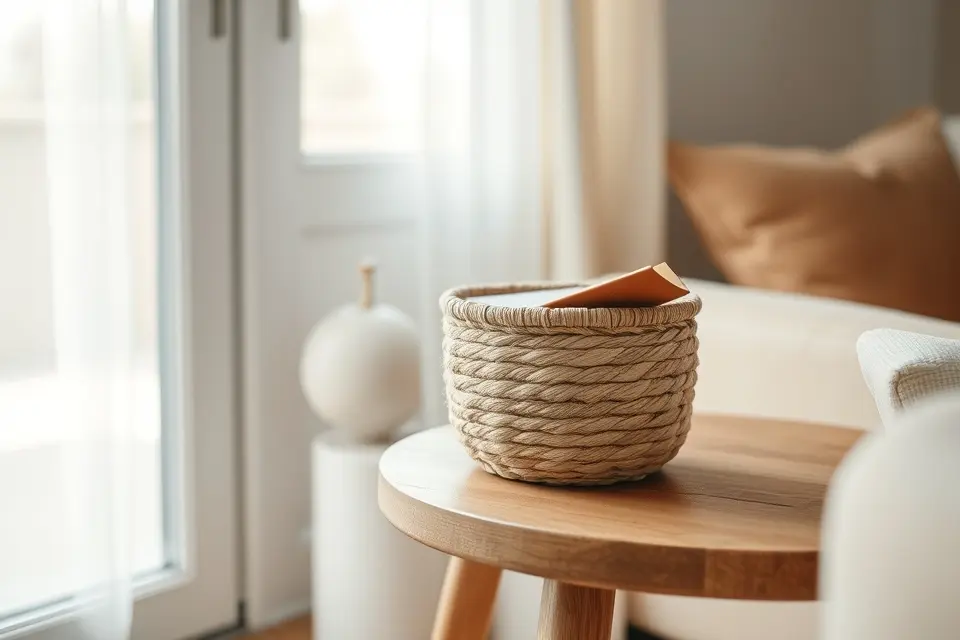
This is the essence of Scandinavian design, a style that has captured the hearts of many with its bright, airy, and uncluttered aesthetic. At its core, Scandinavian design is about embracing the beauty of minimalism, letting the clean lines, minimal ornamentation, and an emphasis on texture and light create a sense of serenity.
The key to achieving this look is to focus on natural materials such as wood, leather, and wool, which add warmth and depth to a space without cluttering it.
A practical tip for incorporating Scandinavian design into your home is to start with a neutral color palette and then add pops of color through textiles and accessories, allowing you to easily switch up your look with the seasons.
One of the defining characteristics of Scandinavian design is its emphasis on functionality, where every piece of furniture serves a purpose, and nothing is superfluous.
This approach not only creates a sense of calm but also makes the most of the space available, perfect for smaller homes or apartments. By embracing this philosophy, you can create a home that is not only beautiful but also highly livable.
To immerse yourself in the Scandinavian design aesthetic, consider visiting destinations like Copenhagen or Stockholm, where you can experience the style firsthand in the homes, cafes, and public spaces that embody its principles.
7. Coastal & Hamptons Living
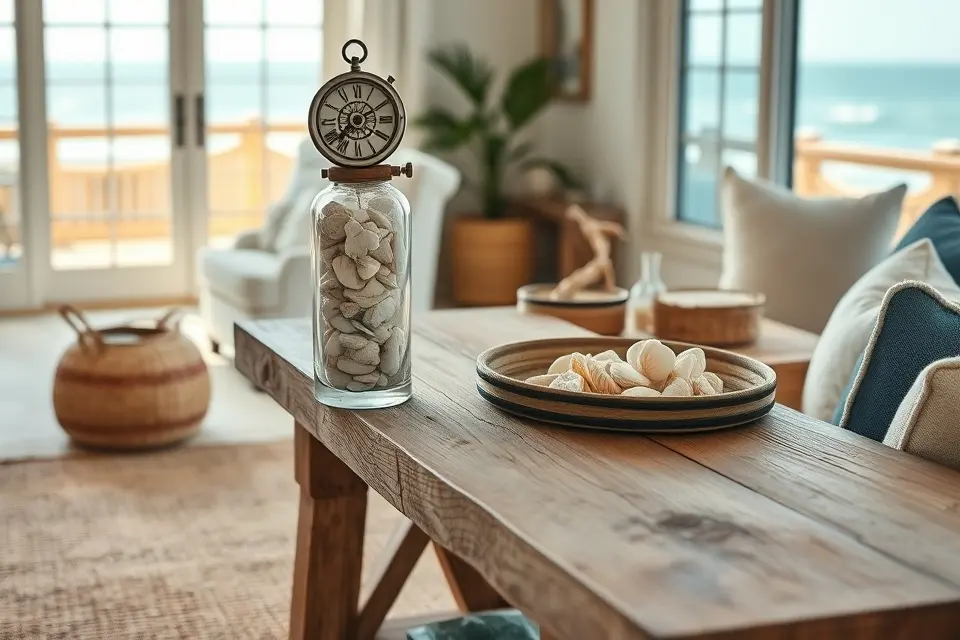
Coastal and Hamptons styles bring the beach to your doorstep, with light, airy aesthetics that evoke a sense of serenity. Soft whites, creamy linens, and driftwood tones create a calming palette that’s perfect for a relaxing retreat.
The key to achieving this look is to keep it simple and uncluttered, allowing natural textures and materials to take center stage. Think jute rugs, woven baskets, and reclaimed wood accents that add warmth and depth to your space.
To bring in the beauty of the outdoors, incorporate plenty of greenery, such as potted plants or a living wall, and don’t be afraid to add some shells, pebbles, or other ocean-inspired decorative elements.
For an authentic Coastal or Hamptons-inspired space, consider the power of blues and whites, which can add a pop of color and energy to your room. From soft sky blues to crisp navy tones, these hues can help create a sense of continuity with the ocean views outside.
A practical tip is to balance these bold colors with neutral tones, ensuring your space feels calm and inviting rather than overwhelming.
To make your Coastal or Hamptons-style space truly special, don’t forget to add some personal touches, such as vintage nautical instruments, ocean-inspired artwork, or family photos from beach vacations.
8. Minimalist Movement: Less is More
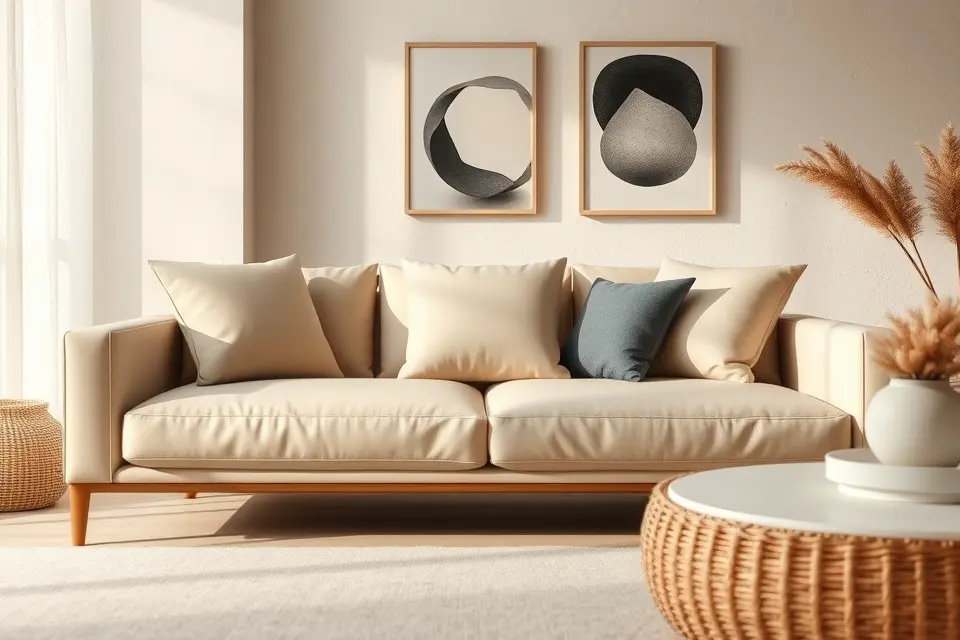
In the pursuit of simplicity, Minimalist design has become a haven for those seeking serenity in their living spaces. This philosophy is rooted in the idea that less is indeed more, where every element serves a purpose, and nothing is superfluous.
By embracing a neutral color palette, you set the stage for a sense of calmness, allowing the eye to wander without distraction.
The beauty of Minimalist interiors lies in their ability to create a sense of openness, making even the smallest of spaces feel expansive. Essential furnishings, carefully selected for their functionality and clean lines, become the focal points of the room.
A sleek sofa, a simple coffee table, and a few choice pieces of art are all that’s needed to create a warm and inviting atmosphere.
To achieve this look, it’s essential to edit and curate your belongings, keeping only what brings joy or serves a purpose. This mindset shift allows you to break free from the chaos of clutter and focus on the beauty of simplicity.
By doing so, you’ll find that your space transforms into a tranquil oasis, perfect for relaxation and contemplation.
9. Traditional Elegance
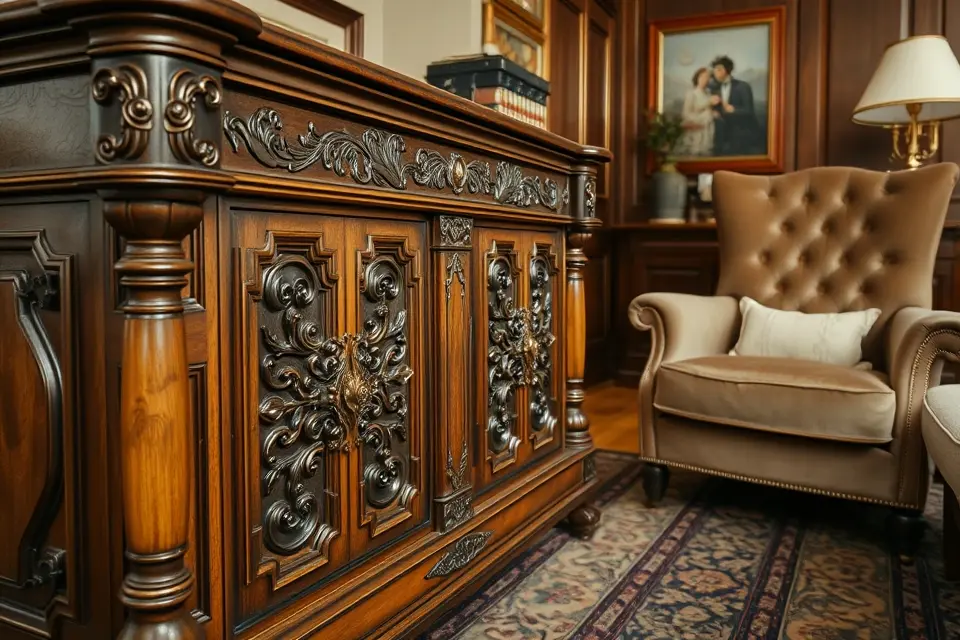
Traditional interior design is all about embracing classic elegance, often characterized by symmetrical compositions and a penchant for luxurious materials. To achieve this look, consider incorporating rich wood tones, plush velvet upholstery, and metallic accents like gold or brass.
The beauty of Traditional design lies in its attention to detail, from the carved wooden moldings to the delicate patterns on porcelain vases.
It’s a style that celebrates heritage and craftsmanship, often blending elements from different historical periods to create a unique, curated aesthetic. For instance, a Traditional living room might feature a vintage Persian rug, a stately armchair with intricately carved legs, and a stunning crystal chandelier.
One of the defining features of Traditional design is its use of classic color palettes, often featuring muted tones like beige, navy, and burgundy.
These soothing hues provide a sophisticated backdrop for statement pieces, such as a beautifully crafted wooden sideboard or an antique oil painting. To add a touch of Traditional elegance to your space, try pairing rich colors with ornate patterns, like stripes or florals.
When it comes to implementing Traditional design in your own home, remember that it’s all about balance and harmony. Don’t be afraid to mix high-end and vintage pieces to create a look that’s uniquely yours.
A practical tip is to start with a statement piece, like a stunning chandelier or a beautifully upholstered sofa, and then build your design around it, adding complementary elements that enhance the overall sense of classic sophistication.
10. Contemporary Cool
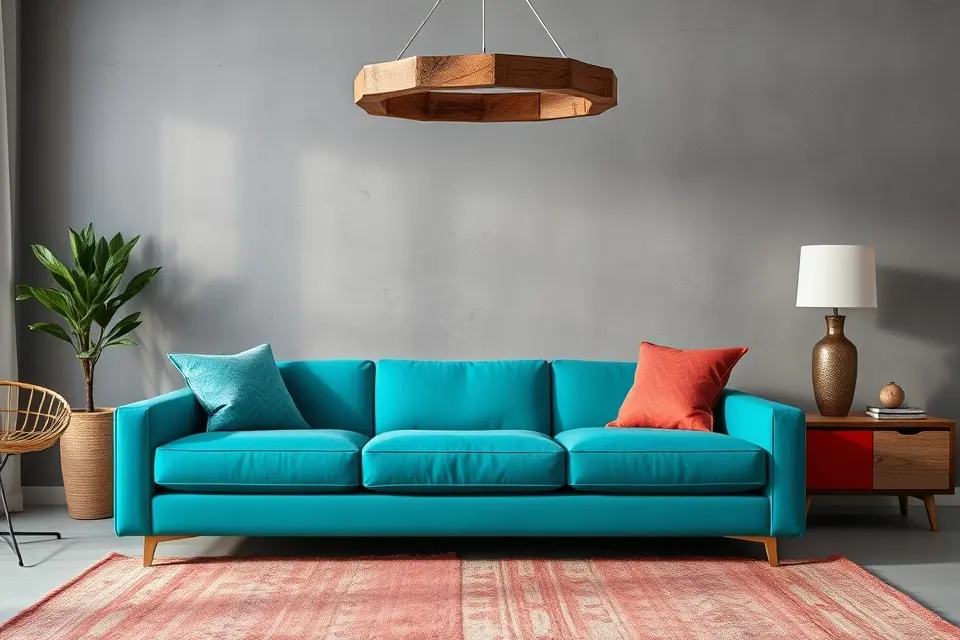
Contemporary design is all about embracing the latest trends and creating a space that feels fresh and modern. Characterized by fluid lines, minimal ornamentation, and an emphasis on function, this style is perfect for those who love the sleek and sophisticated look.
A key element of Contemporary design is its use of mixed textures, from smooth metals to plush rugs, which adds depth and visual interest to a room.
One of the defining features of Contemporary design is its ability to evolve with the times, incorporating new materials and technologies to create a truly cutting-edge space. For example, a Contemporary living room might feature a statement light fixture made from reclaimed wood or a sleek, low-profile sofa in a bold, bright color.
To achieve this look, consider incorporating natural materials like wood or stone into your design, paired with modern accents like chrome or glass.
In a Contemporary space, the focus is on clean lines, simple shapes, and a limited color palette, which creates a sense of calm and serenity. This style is all about editing and curating your belongings, rather than cluttering the space with too many accessories or decorative items.
A practical tip for achieving this look is to start with a neutral base, such as a white or gray wall, and then add pops of color and texture through furniture and accessories.
To make your Contemporary space truly special, don’t be afraid to experiment with different textures and materials, like velvet, linen, or concrete.
And remember, the key to pulling off this style is to keep it simple, uncluttered, and utterly modern – so don’t be afraid to edit and curate your space to create a look that’s truly your own.
11. Art Deco Glamour
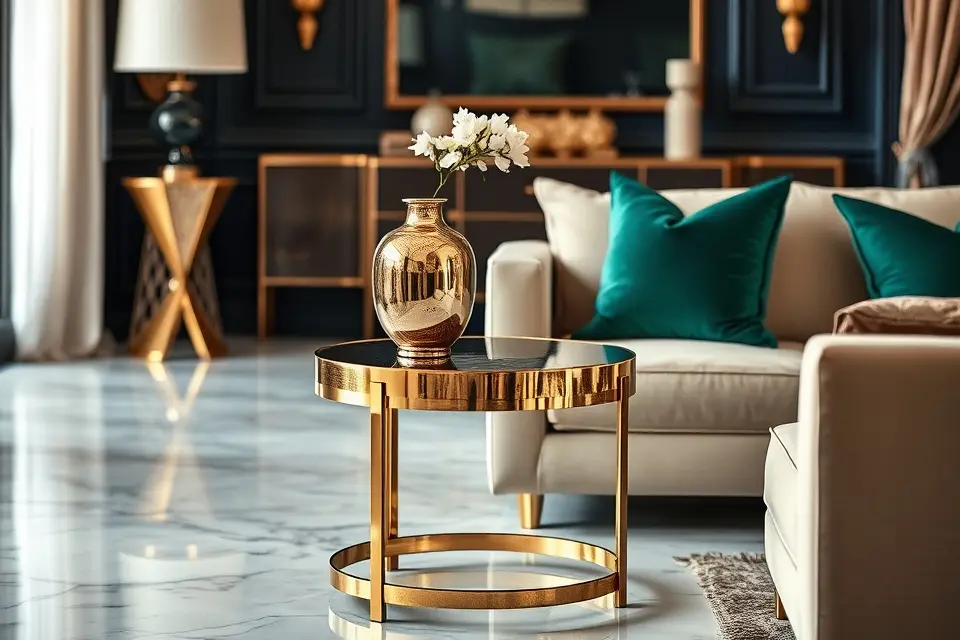
Art Deco is a design style that exudes luxury and sophistication, perfect for those who crave a touch of old-school glamour in their homes. To bring this look to life, focus on incorporating rich materials like marble and velvet into your decor.
The key to pulling off Art Deco is to balance bold patterns and bright colors with more subdued elements, allowing each piece to shine without overwhelming the space. A statement piece, such as a vintage chandelier or a geometric-patterned rug, can serve as the perfect anchor for your design.
When it comes to color, Art Deco is all about making a statement with bold hues like emerald green and navy blue, often paired with neutral tones to prevent the space from feeling overwhelming. To add a touch of Art Deco glamour to your own home, try pairing a metallic-accented side table with a plush, velvet sofa in a deep, jewel-toned color.
For an authentic Art Deco look, consider incorporating vintage or vintage-inspired pieces into your decor, such as a vintage poster or an antique vase, to add a touch of history and sophistication to your space.
12. Rustic Retreats
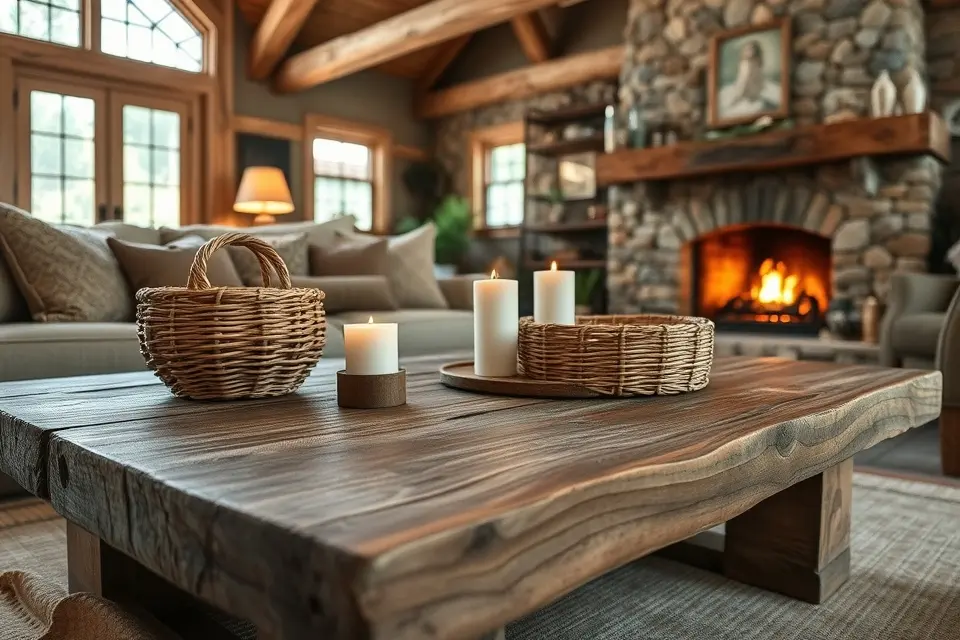
Rustic design brings the outdoors in, with natural woods, stone, and earthy tones that create a warm and inviting atmosphere. Exposed wooden beams, reclaimed wood furniture, and stone fireplaces are just a few elements that define this style.
To achieve a rustic look, incorporate organic textures like woven baskets, jute rugs, and natural fiber upholstery. Add warmth with plush throw blankets and soft lighting, and don’t be afraid to leave some imperfections, like rough-hewn wood or vintage metalware, to give your space character.
A practical tip is to balance rustic elements with modern touches, like sleek lighting or minimalist decor, to avoid a cluttered or overly rustic feel.
Rustic design is all about embracing the beauty of imperfection, so don’t worry too much about matching or perfecting every element. Instead, focus on creating a cozy and welcoming space that feels like a retreat from the world.
Consider adding natural elements, like potted plants or a vase with fresh branches, to bring in a touch of the outdoors.
13. Transitional Harmony
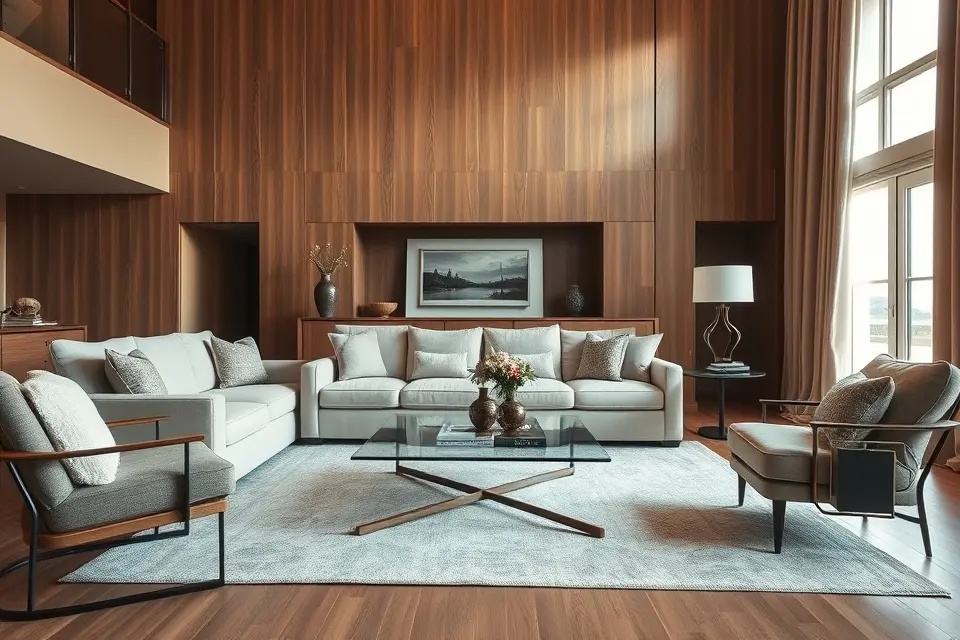
One of the key characteristics of Transitional design is its use of neutral color palettes, which provide a calm and serene backdrop for a mix of traditional and contemporary furniture pieces.
For example, a plush sectional sofa in a neutral fabric can be paired with a vintage armchair and a sleek, low-profile coffee table, creating a cohesive and inviting atmosphere.
To achieve this look, consider starting with a neutral base and then adding pops of color and texture through accessories and accent pieces.
Transitional design is all about balance and proportion, so it’s essential to carefully curate the elements in your space to create a sense of harmony.
A practical tip is to start with a statement piece, such as a vintage rug or a modern piece of art, and then build your design around it, adding complementary pieces that enhance its beauty. This approach will help you create a space that is both beautiful and functional.
By embracing the principles of Transitional design, you can create a space that is truly unique and reflective of your personal style, a space that combines the best of both worlds to create a timeless and enduring aesthetic.
14. Eclectic Expression
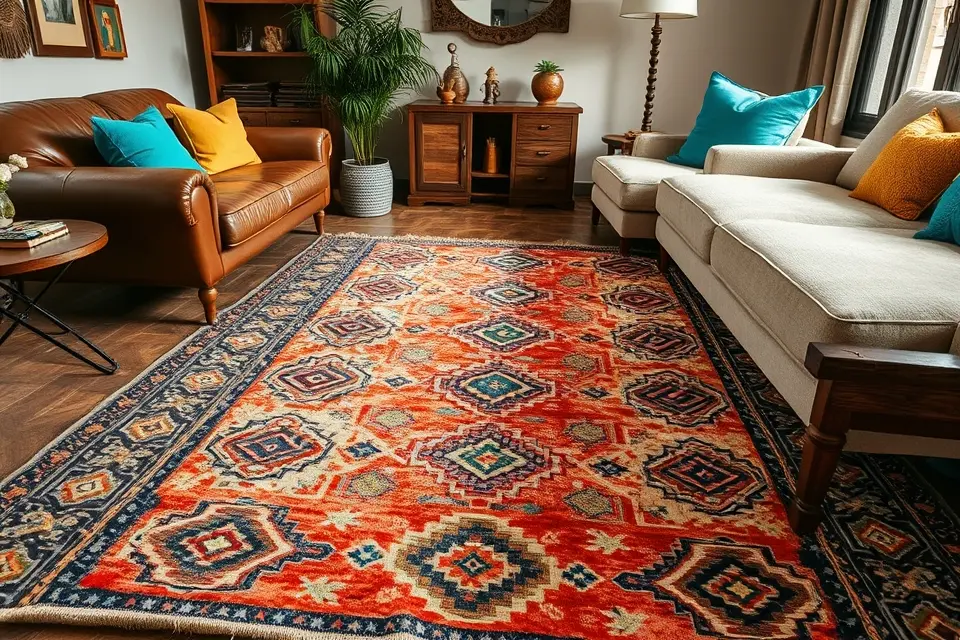
In the world of interior design, Eclectic style is all about embracing individuality and self-expression. It’s a design philosophy that celebrates the beauty of mixing and matching different styles, periods, and textures to create a truly one-of-a-kind space.
To master the Eclectic look, start by combining vintage and modern pieces, like a sleek leather sofa paired with a vintage Moroccan rug.
The key to pulling off an Eclectic space is to balance disparate elements with a unifying thread, such as a bold color scheme or a consistent texture. For example, you might pair a rustic wooden coffee table with a sleek metallic lamp, tying the two together with a rich, velvety throw blanket.
This blend of old and new, smooth and rough, creates a visually interesting and deeply personal space.
When it comes to textures, don’t be afraid to mix and match – smooth glass, rough wood, and plush velvet can all coexist in harmony. A practical tip for achieving this look is to start with a neutral base, such as a beige or gray wall, and then add layers of texture and pattern through furniture, rugs, and accessories. This will help prevent the space from feeling overwhelming or chaotic.
Find Your Dream Style
Now that you’ve explored the world of interior design, it’s time to bring your vision to life. Remember to consider your lifestyle, budget, and personal taste when choosing a style. Don’t be afraid to mix and match elements to create a look that’s truly yours. Save this guide for future reference and start planning your dream space today. Share your favorite style with friends and family, and get ready to turn your house into a home that reflects your unique spirit.
Frequently Asked Questions
What are the core characteristics of modern interior design?
Modern interior design is characterized by clean lines, a minimalist approach, functional layouts, an emphasis on natural materials like wood and metal, and often an open-plan living concept.
How can I determine my personal interior design style?
To identify your style, consider spaces you’re drawn to, create mood boards with images you love, analyze your current furniture and decor preferences, and think about how you want your home to feel.
What is the primary difference between modern and contemporary design?
Modern design refers to a specific era (roughly 1920s-1970s) characterized by its rejection of ornamentation, while contemporary design refers to what is currently popular and ever-evolving, often incorporating elements from various past and present styles.
Which interior design styles are best suited for small spaces?
Minimalist, Scandinavian, and Modern styles are excellent for small spaces due to their emphasis on functionality, light colors, clean lines, and reduced clutter, making rooms feel more open and spacious.
Is it possible to combine different interior design styles in one home?
Yes, absolutely! Combining styles, often called Eclectic or Transitional design, allows for a personalized look. The key is to find common threads in color, texture, or scale to ensure cohesion and avoid a chaotic appearance.