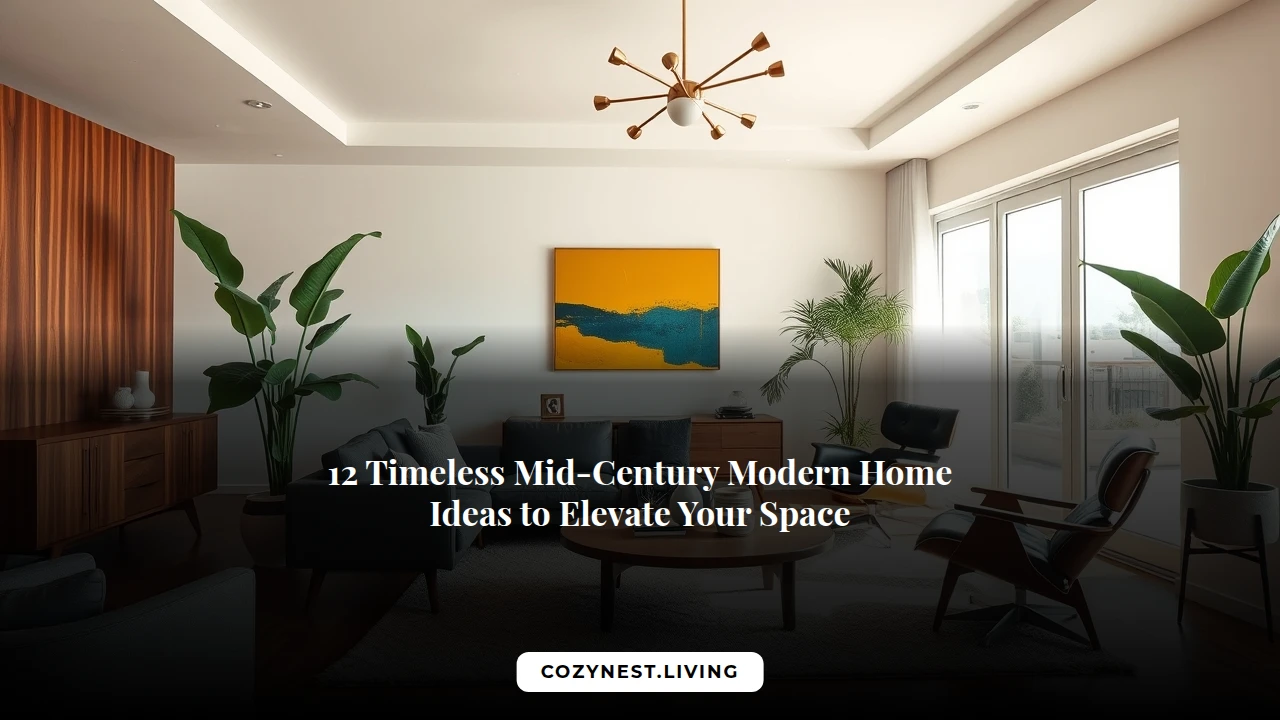
12 Timeless Mid-Century Modern Home Ideas to Elevate Your Space
Imagine stepping into a home that embodies the perfect blend of retro charm and modern sophistication. Mid-century modern homes are a timeless treasure, offering a unique aesthetic that continues to inspire designers and homeowners alike. From statement light fixtures to sleek lines and organic shapes, we’re about to dive into 12 stunning mid-century modern home ideas that will elevate your space and leave you breathless. Whether you’re a fan of minimalist decor or bold color schemes, these ideas will help you create a mid-century modern oasis that’s both stylish and functional.
Idea 1: Embrace Iconic Furniture Pieces
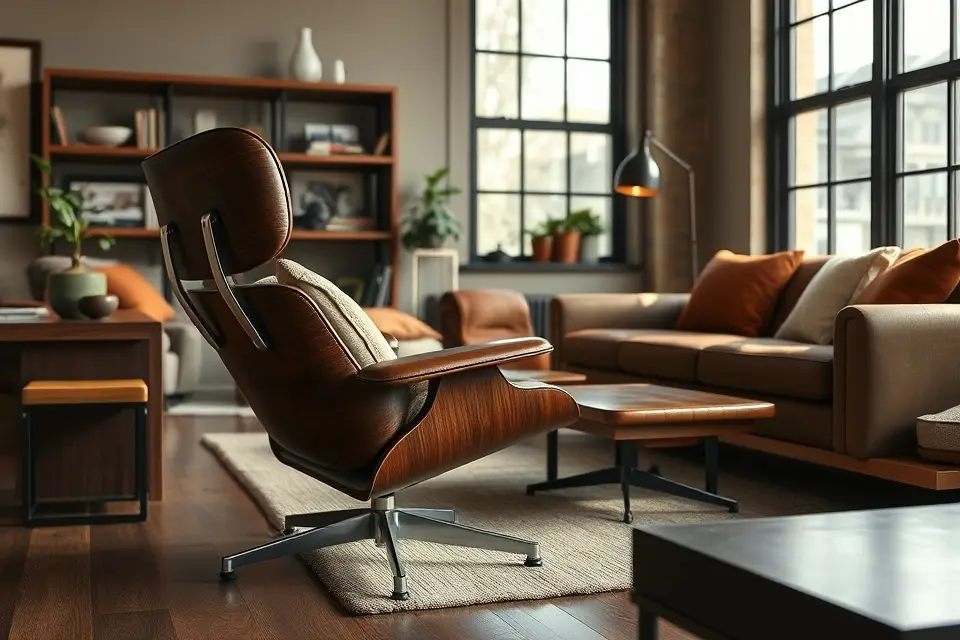
Imagine sinking into the curved comfort of an Eames lounge chair, its sleek lines and rich leather a masterclass in understated elegance. For a truly timeless Mid-Century Modern look, iconic furniture pieces like this are a must, providing an instant anchor for your living spaces.
A Knoll sofa, with its streamlined silhouette and plush cushions, is another classic choice that exudes sophistication and poise. Paired with a Nelson bench, its bold, geometric lines add a touch of industrial chic to any room.
To incorporate these pieces into your home, consider the flow of your space and how each item will interact with the others. For example, placing an Eames lounge chair in a cozy reading nook can create a inviting retreat.
When selecting your Mid-Century Modern furniture, remember that quality and authenticity are key – a genuine vintage find or a high-quality reproduction will make all the difference in achieving that effortless, sophisticated look.
Idea 2: Play with Rich, Natural Woods
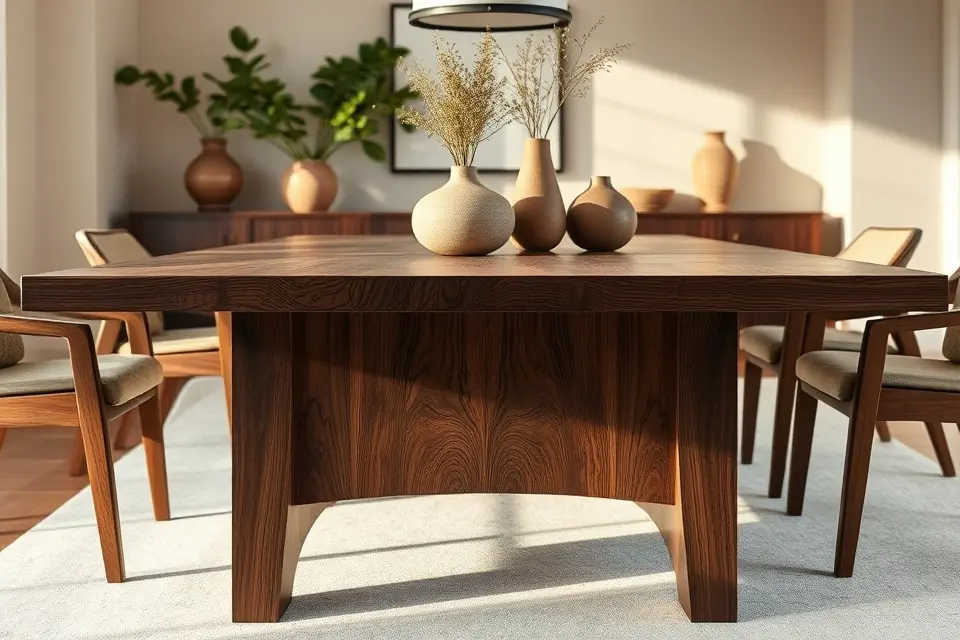
Warm wood tones have a way of transporting us back to the elegance of the mid-century modern era, and incorporating them into your home can be a powerful way to evoke that timeless feel. Consider teak, walnut, or rosewood for furniture pieces, such as a statement dining table or a sleek sideboard, to bring depth and sophistication to your space. A practical tip is to balance rich woods with lighter accents to avoid overwhelming the senses.
The beauty of natural woods lies in their unique grain patterns and textures, which can add visual interest to any room. Walnut, with its dark, cool tones, pairs perfectly with earthy ceramics and greenery, while teak, with its warm, honey-like hue, complements bold, vibrant colors. To create a cohesive look, choose one dominant wood tone and use it consistently throughout the space.
Rosewood, with its rich, reddish-brown color, is particularly stunning when used for wall panels or flooring, as it adds a sense of luxury and refinement to the room. When working with rich woods, it’s essential to consider the overall aesthetic you want to achieve and balance them with other design elements, such as textiles, metals, and lighting.
By embracing the warmth and character of natural woods, you can create a mid-century modern-inspired home that feels both authentic and inviting. Whether you’re renovating a vintage property or simply looking to infuse your space with a touch of retro charm, incorporating rich, natural woods is a simple yet effective way to elevate your decor and create a lasting impression.
Idea 3: Integrate Bold, Retro Color Palettes
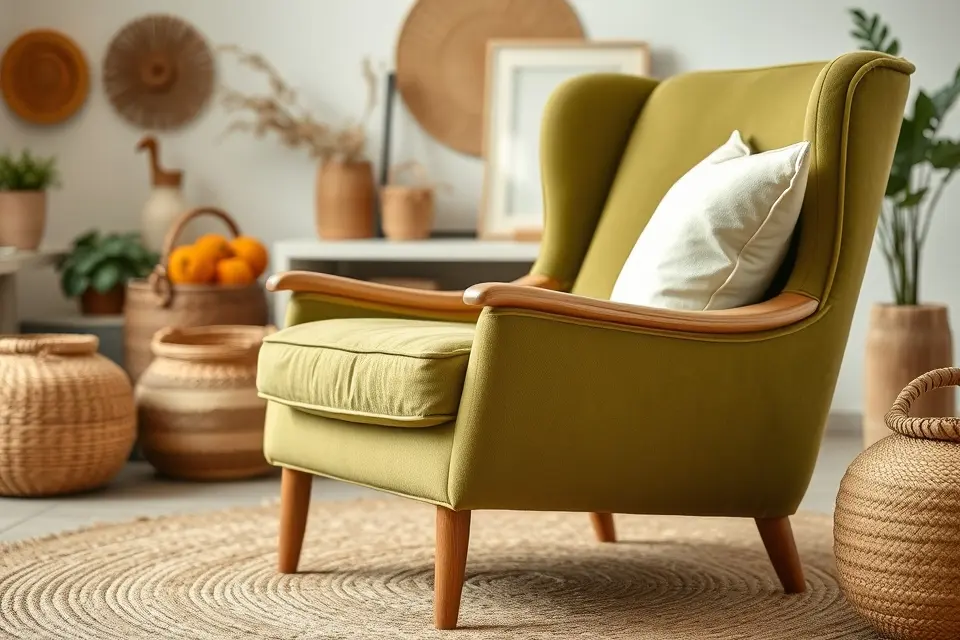
Imagine stepping into a mid century modern home where the walls whisper neutral tones, but the furniture and accents shout bold, retro flair. Avocado green, a quintessential MCM hue, adds a fresh and earthy feel to any room, whether through a statement armchair or a set of vintage glassware. To incorporate this look, try pairing avocado green with natural wood tones and creamy whites for a balanced aesthetic.
Mustard yellow, another iconic color of the era, brings a warm and inviting ambiance to spaces. Use it sparingly through throw pillows, blankets, or a vintage side table to add a pop of color against a neutral backdrop. Burnt orange, with its deep, rich tone, can add a sense of sophistication and coziness, especially when paired with earthy elements like woven baskets or a jute rug.
Teal, a bold and vibrant color, can elevate a room from mundane to mesmerizing. Use it as an accent color through decorative accessories like vases, planters, or a statement piece of artwork. To avoid overwhelming the space, balance teal with neutral shades like beige, gray, or white, allowing the bold color to take center stage.
When integrating these bold, retro color palettes, remember that balance is key. Start with a neutral base and introduce one or two bold colors at a time, allowing each piece to complement the others and create a harmonious, mid century modern-inspired space that feels both nostalgic and timeless.
Idea 4: Enhance with Statement Lighting
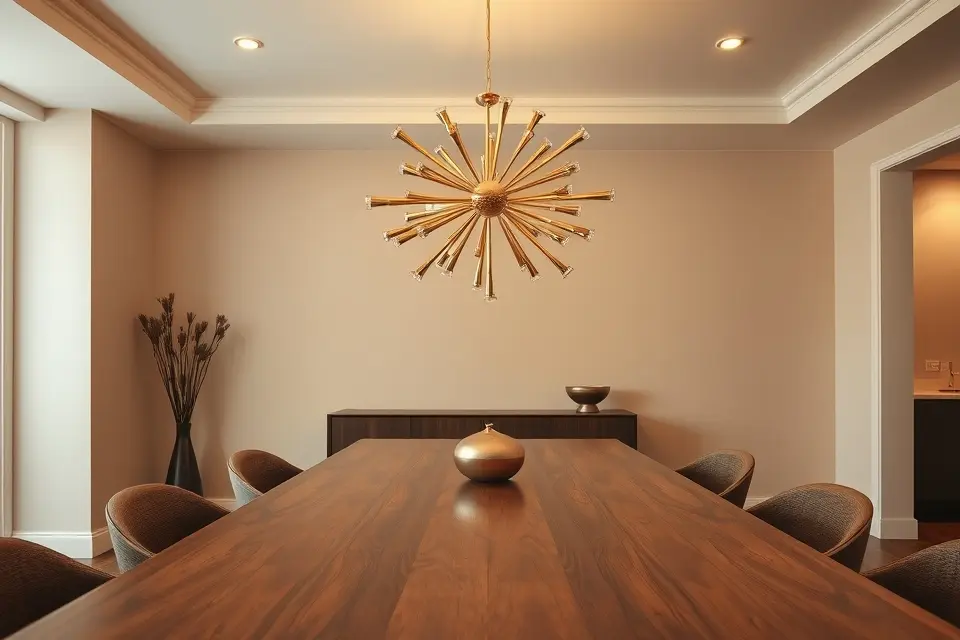
Dramatic lighting can make or break the ambiance of a room, and mid-century modern design is all about making a statement. Consider adding a show-stopping Sputnik chandelier to your dining area, its starburst shape and metallic finish casting a warm, sophisticated glow over your gatherings. This look is especially effective when paired with a sleek, low-profile dining table and chairs.
For a more subtle yet equally impactful effect, try placing an arc floor lamp in a corner of your living room, its curved silhouette and adjustable arm allowing you to direct pools of warm light exactly where you need them. This is a great way to create cozy reading nooks or highlight favorite pieces of artwork.
In addition to these larger fixtures, don’t forget the power of smaller, more delicate lighting elements to add visual interest and personality to your space. Atomic-inspired pendants, with their playful, geometric shapes and bold colors, can add a fun touch to kitchens or home offices, while also providing task lighting where it’s needed most.
When choosing statement lighting, remember to balance drama with functionality – the goal is to elevate your space, not overwhelm it. By selecting pieces that complement your existing decor and serve a practical purpose, you can create a mid-century modern home that’s both beautiful and livable.
Idea 5: Foster an Open Concept Layout
Imagine walking into a home where the lines between living, dining, and kitchen areas blur, creating a sense of seamlessness and flow. This is the essence of mid-century modern design, where open concept layouts reign supreme. By tearing down walls and embracing a more fluid spatial arrangement, you can create a home that feels expansive and inviting.
As you design your open concept space, consider the era’s iconic use of sliding glass doors, clerestory windows, and minimal partitions to define different areas without compartmentalizing them. This approach not only maximizes natural light but also fosters a sense of connection between family members and guests, making it perfect for entertaining and everyday living.
To make the most of your open concept layout, think about the flow of traffic and the placement of furniture, using pieces that are sleek, low-profile, and multifunctional to maintain the sense of openness. A practical tip is to use area rugs to define different zones within the space, adding warmth and texture while keeping the overall feel airy and uncluttered.
By embracing the open concept ethos, you’ll be able to create a mid-century modern home that feels both nostalgic and timeless, perfect for modern living. As you embark on this design journey, remember that the key to a successful open concept layout is to strike a balance between functionality, aesthetics, and a deep understanding of how you want to live in your space.
Idea 6: Bring the Outdoors In with Greenery
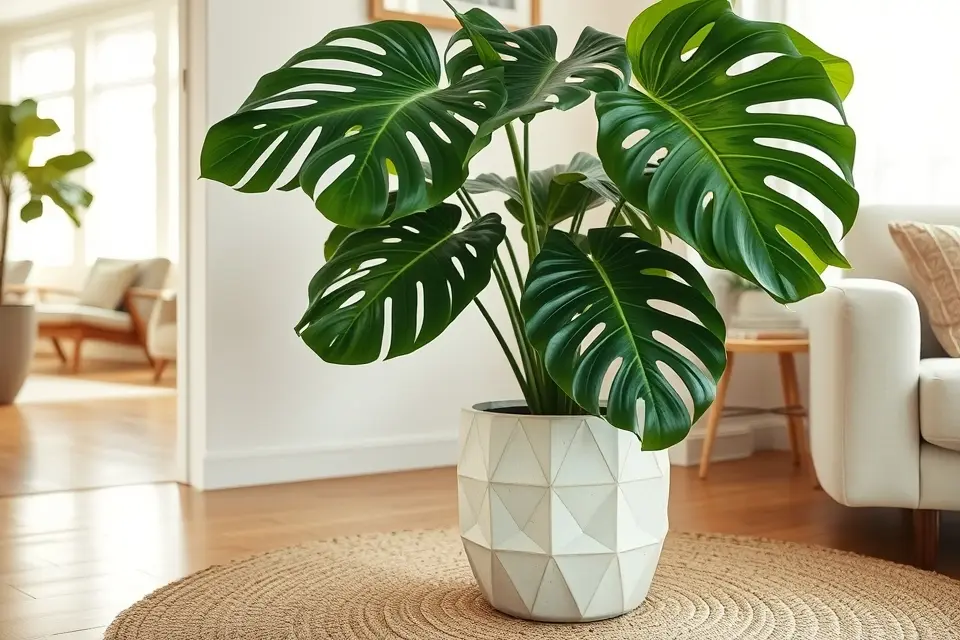
To create a seamless transition between indoors and outdoors, consider adding large, leafy plants like the elegant monstera or the low-maintenance snake plant to your space. These natural elements not only purify the air and promote a sense of well-being, but they also bring a touch of organic beauty to your mid-century modern home. By housing them in stylish planters that reflect the era’s penchant for clean lines and minimal ornamentation, you can further enhance their aesthetic appeal.
The fiddle-leaf fig, with its striking, violin-shaped leaves, is another popular choice for indoor spaces, and its tall, slender profile makes it perfect for filling empty corners or framing doorways. When selecting planters, look for materials and designs that complement your home’s mid-century modern aesthetic, such as ceramic pots with simple, geometric patterns or wooden planters with a natural finish.
One of the most significant benefits of incorporating greenery into your home decor is the way it can evoke a sense of connection to nature, even in the midst of a bustling urban environment. By choosing plants with varying textures and colors, you can add depth and visual interest to your space, creating a unique and inviting atmosphere that reflects your personal style.
To make the most of your indoor plants, be sure to place them in areas with plenty of natural light, and don’t be afraid to experiment with different planter styles and arrangements to find the look that works best for you. With a little creativity and patience, you can transform your home into a lush, mid-century modern oasis that brings the beauty of the outdoors right to your doorstep.
Idea 7: Incorporate Geometric Patterns and Textures
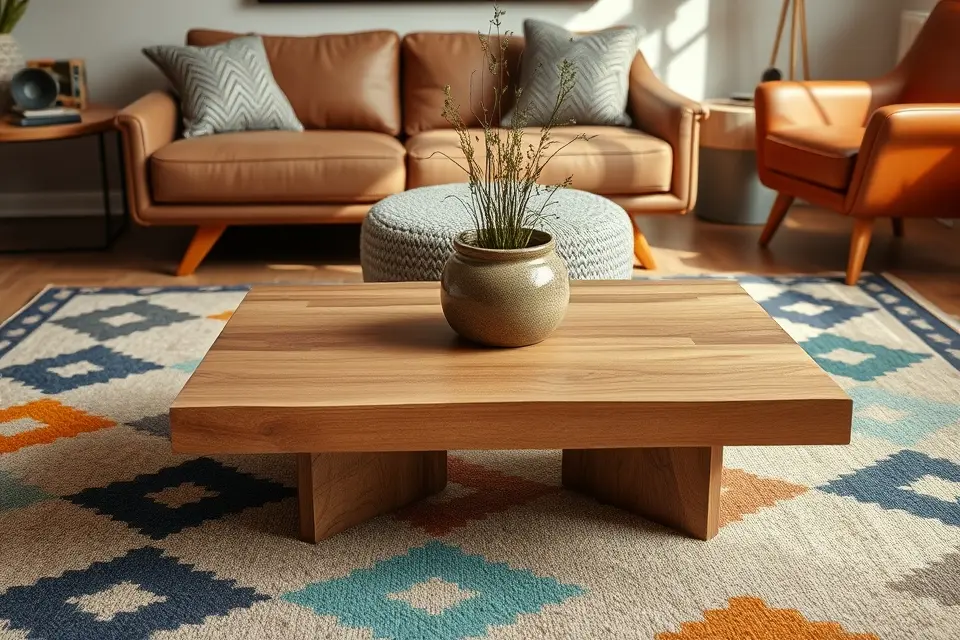
Geometric patterns and textures are a hallmark of mid-century modern design, adding a layer of visual sophistication to any room. By incorporating geometric prints on rugs, cushions, or artwork, you can create a space that feels dynamic and engaging. Consider pairing a bold, geometric-patterned rug with a sleek, low-profile sofa for a striking contrast.
Mixing textures is another key element of mid-century modern style, and can add depth and tactility to a room. Combining smooth leather with the roughness of tweed or the softness of wool can create a rich, layered look that invites touch and exploration. A vintage leather armchair paired with a woven wool blanket and a tweed upholstered ottoman is a great example of how textures can work together in harmony.
To take your geometric pattern game to the next level, try pairing bold, graphic prints with more subtle, organic textures like wood or plants. This contrast between hard and soft, structured and organic, can create a sense of balance and visual interest in a room. A geometric-patterned rug, for example, might be paired with a natural wood coffee table and a potted plant with loose, organic foliage.
By thoughtfully incorporating geometric patterns and textures into your space, you can create a mid-century modern-inspired home that feels both timeless and cutting-edge. Remember to balance bold patterns and textures with more subdued elements to avoid overwhelming the senses, and don’t be afraid to experiment and have fun with the process of creating your unique space.
Idea 8: Optimize with Sleek, Integrated Storage
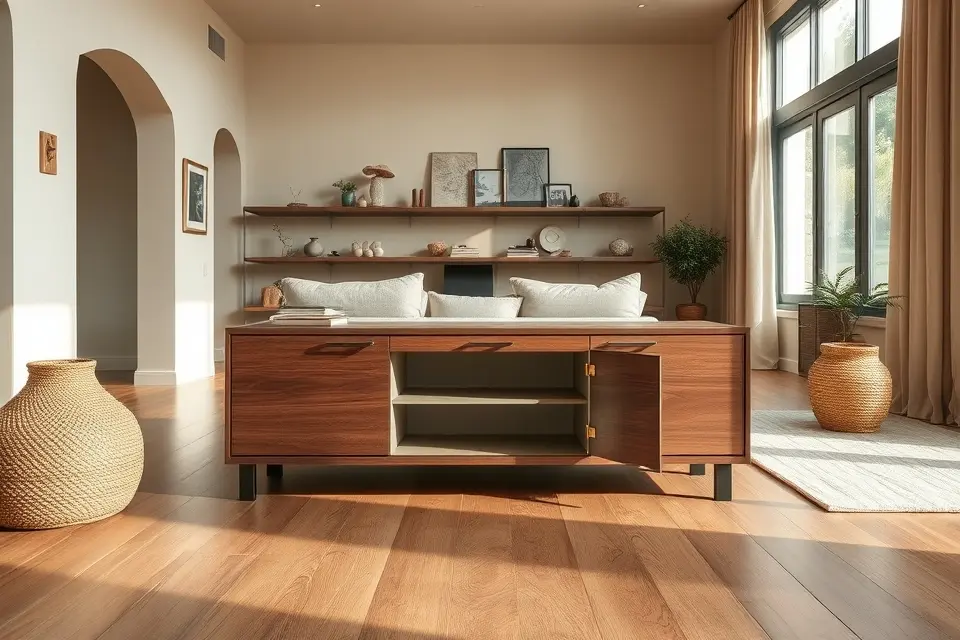
In the pursuit of a seamless mid-century modern aesthetic, it’s essential to consider the role of storage in maintaining the clean lines and minimalism that define this style. Low-slung credenzas, with their sleek profiles and ample storage capacity, are a staple of mid-century design, providing a perfect solution for keeping clutter at bay while adding a touch of sophistication to any room.
Built-in shelving is another clever way to optimize storage without compromising on style, as it creates a sense of fluidity and continuity with the surrounding architecture. By integrating shelving into the walls, you can create a sense of openness and airiness, making the space feel more expansive and uncluttered.
To take your storage game to the next level, look for minimalist storage solutions that eschew bulky hardware and ornate details in favor of a more understated approach. A simple, wall-mounted cabinet or a compact, low-profile dresser can be a highly effective way to keep clutter under control while maintaining the clean lines and visual simplicity that are hallmarks of mid-century modern design.
By incorporating these types of storage solutions into your space, you can create a sense of harmony and balance that allows the beauty of your mid-century modern decor to shine through, unencumbered by clutter and visual noise.
Idea 9: Create a Focal Point with a Fireplace
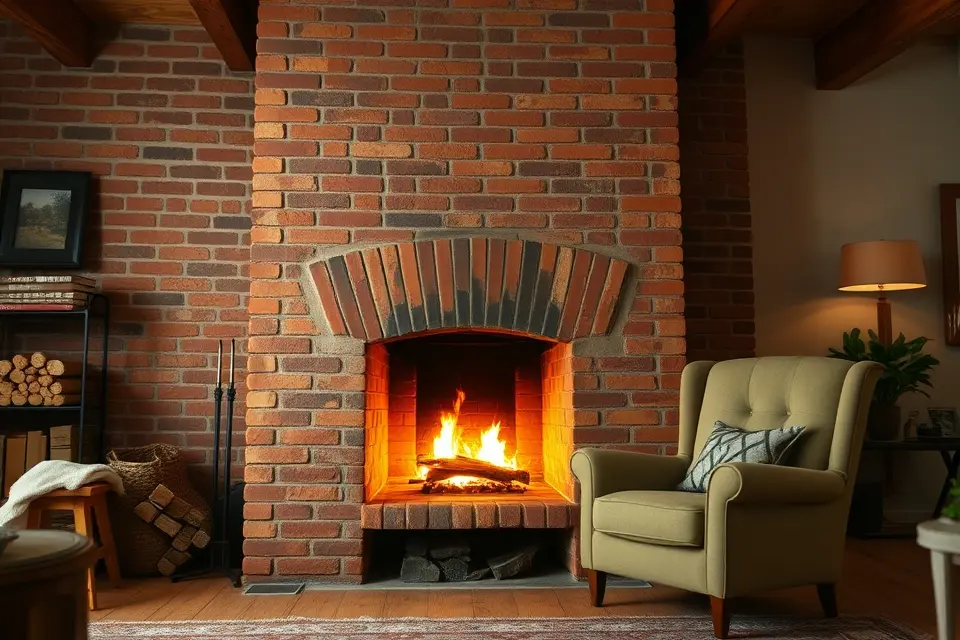
Imagine sinking into a plush armchair on a chilly evening, surrounded by the warm glow of a crackling fire. A fireplace is more than just a heat source – it’s a design statement that anchors the room with mid-century modern charm. Often made of natural materials like brick or stone, a statement fireplace can add depth and visual interest to your space.
To create a focal point with a fireplace, consider its placement in the room. A floor-to-ceiling brick fireplace can dominate a wall, drawing the eye upwards and creating a sense of drama. Alternatively, a sleek stone fireplace can be nestled into a corner, providing a cozy nook for relaxation.
When highlighting a fireplace as a central design element, balance is key. Keep surrounding decor simple and understated to let the fireplace take center stage. A minimalist approach to furnishings and accessories will allow the textured beauty of the brick or stone to shine.
For a truly mid-century modern look, pair your statement fireplace with vintage-inspired furnishings and lush greenery. The result is a warm and inviting space that exudes the effortless elegance of a bygone era, perfect for cozying up on a cold winter’s night or simply enjoying a quiet moment of solitude.
Idea 10: Curate Thoughtful Art and Accessories
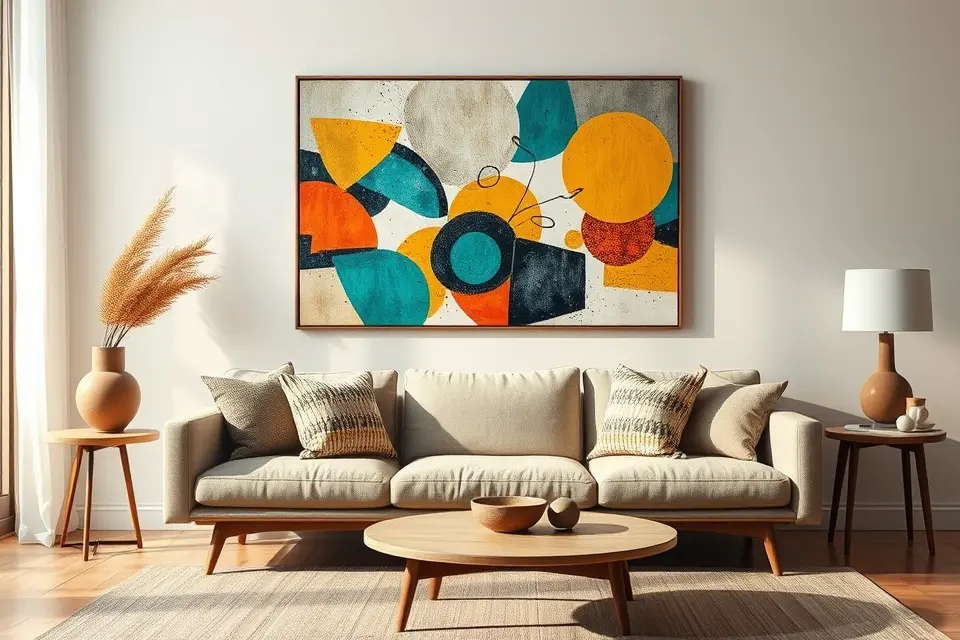
To add a touch of personality to your mid-century modern space, consider curating a collection of abstract art pieces that introduce subtle pops of color and texture. A vibrant abstract painting above a sleek sofa or a graphic print in a bold frame can become a beautiful focal point in an otherwise minimalist room.
When selecting art, look for pieces that feature organic shapes and geometric patterns, which were characteristic of the mid-century modern era. These elements will help tie the artwork in with the rest of your decor, creating a sense of cohesion and flow.
In addition to art, thoughtfully chosen accessories can also make a big impact. Ceramic sculptures, for example, can add a touch of elegance to a side table or shelf, while a vintage macrame wall hanging can bring a bohemian flair to a room.
To avoid overwhelming the space, remember to edit your collection carefully, choosing only a few statement pieces that truly resonate with you. By doing so, you’ll create a space that feels curated and intentional, rather than cluttered and chaotic, allowing the beauty of your mid-century modern home to shine through.
Idea 11: Maximize Natural Light with Large Windows
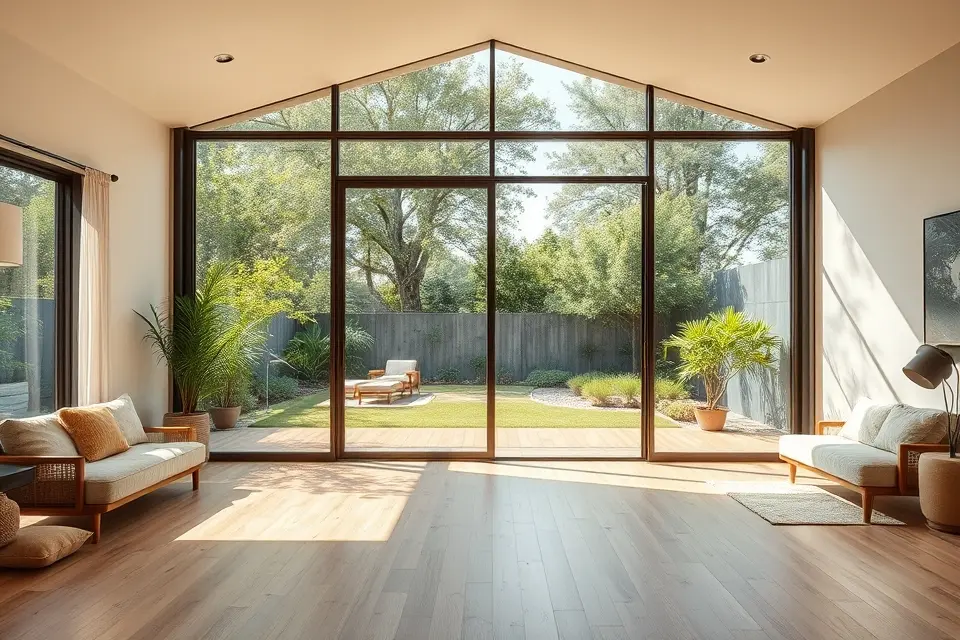
Imagine waking up to a flood of natural light pouring into your bedroom, courtesy of floor-to-ceiling windows that seem to dissolve the boundaries between indoors and outdoors. This is the essence of mid-century modern design, where expansive glass openings invite the beauty of nature into your home. By incorporating large windows and glass doors, you can create a seamless transition between your living spaces and the surrounding landscape.
As you step into a mid-century modern home, you’re immediately struck by the sense of airiness and freedom that comes with unobstructed views of the outdoors. The generous use of glass allows natural light to dance across the interior, highlighting the organic textures and clean lines that define this iconic style. Whether you’re lounging in a sun-drenched living room or cooking up a storm in a bright and airy kitchen, the abundance of natural light creates a sense of warmth and welcoming hospitality.
To maximize the impact of natural light in your mid-century modern home, consider installing large windows that stretch from floor to ceiling, or sliding glass doors that lead out to a patio or garden. This will not only amplify the sense of connection to the outdoors but also create a sense of visual flow that makes your spaces feel more expansive. By embracing the beauty of natural light, you can create a home that feels truly alive and connected to its surroundings.
As you explore the possibilities of mid-century modern design, remember that the key to harnessing natural light lies in the thoughtful placement of windows and glass doors. By carefully considering the orientation of your home and the surrounding landscape, you can create a harmonious balance between indoors and outdoors that is both functional and aesthetically stunning. With a little creativity and a willingness to think outside the box, you can craft a mid-century modern home that is truly bathed in the beauty of natural light.
Idea 12: Mix and Match Eras with Care
Blending the timeless elegance of Mid-Century Modern design with the sleekness of contemporary elements can result in a truly unique and captivating space. To achieve this look, start by selecting a few statement Mid-Century Modern pieces, such as a vintage armchair or a geometric-patterned rug, and balance them with modern accents like minimalist lighting or a low-profile sofa.
A key to successfully mixing and matching eras is to focus on shared design principles, such as clean lines, organic shapes, and an emphasis on functionality. By doing so, you can create a cohesive aesthetic that honors the past while embracing the present. Consider pairing a vintage Mid-Century Modern coffee table with a contemporary sectional sofa, and then adding a few modern decorative pieces, like a geometric sculpture or a abstract art piece, to tie the look together.
When combining different eras, it’s essential to edit carefully to avoid visual clutter. Limit your color palette to a few core hues and use texture and pattern to add depth and interest to the space. A practical tip is to use a neutral background, like a beige or gray wall, to provide a calm backdrop for your mixed-era furnishings.
Ultimately, the goal is to create a space that feels curated and intentional, rather than merely a collection of disparate pieces. By thoughtfully blending Mid-Century Modern and contemporary elements, you can craft a fresh, updated look that respects the design legacy of the past while living squarely in the present.
Start Decorating Your Dream Home
With these 12 timeless mid-century modern home ideas, you’re ready to start decorating your dream home. Remember to mix and match patterns, textures, and colors to create a unique space that reflects your personality. Don’t forget to add some greenery and statement pieces to bring the look together. Save this pin for your next home decor project and get ready to elevate your space with the perfect blend of mid-century modern style and modern functionality. Share your favorite mid-century modern home ideas with your friends and family to inspire them to create their own unique space.
Frequently Asked Questions
What are the defining characteristics of Mid-Century Modern design?
Mid-Century Modern design is characterized by clean lines, organic shapes, a minimalist aesthetic, functionality, the use of natural materials like wood and leather, and a strong connection to outdoor spaces.
What colors are typically used in a Mid-Century Modern home?
Common Mid-Century Modern colors include earthy tones (avocado green, mustard yellow, burnt orange), blues and teals, and neutrals like white, grey, and brown, often used in bold combinations or as accent pops.
How can I incorporate MCM furniture into a modern space without it looking dated?
To integrate MCM furniture seamlessly, pair iconic pieces with contemporary decor, textiles, and art. Focus on one or two statement MCM pieces per room and ensure the overall space feels uncluttered and fresh.
What are some key materials used in Mid-Century Modern interiors?
Key materials include rich woods like teak, walnut, and rosewood, as well as leather, glass, metal (especially brass and chrome), plywood, and various textiles such as wool and tweed.
Is Mid-Century Modern design still relevant today?
Yes, Mid-Century Modern design remains highly relevant and popular due to its timeless appeal, functional elegance, and versatility. Its clean lines and classic pieces blend well with various contemporary styles.