New Home Decor 2026: Practical Styles for Your Space
The moment you step into a living room painted in soft sage green with a woven jute rug, you feel the season’s shift. That subtle palette is one of the many trends catching eyes this year.
Whether you’re moving into a new place or refreshing a favorite corner, these looks feel fresh yet easy to achieve. 2026 brings a mix of comfort and cleverness, from eco‑friendly textures to bold color pairings that don’t overwhelm.
In this roundup, we’ve gathered twelve practical styles you can adapt without a full remodel. You’ll find ideas for layering natural fibers, swapping out lighting fixtures for smarter options, and adding statement pieces that keep a room feeling airy. Each suggestion includes a quick tip so you can start styling today.
1. Thoughtful Natural Elements
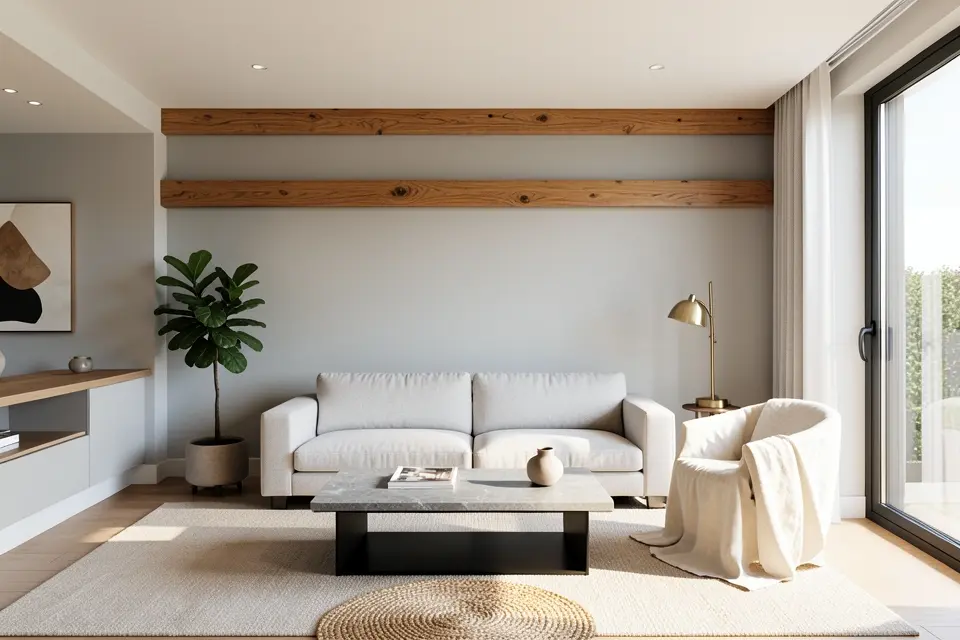
A solid walnut beam on the living‑room wall adds depth without shouting for attention. Its grain pattern creates a quiet anchor that balances modern furniture.
Add a honed limestone slab to the coffee table and drape linen in natural ivory. This mix creates tactile contrast while staying neutral.
The stone needs sealing, and the walnut runs $150‑$300 per linear foot, which is a price jump from synthetic lookalikes.
Both walnut and limestone should be sealed every 12‑18 months to prevent stains and water damage.
Apply a clear, water‑based polyurethane to the walnut using a lint‑free cloth for a fast, low‑odor finish.
If you feel steady, brush‑on sealant is a weekend task. A pro ensures even coverage.
Renters can choose walnut veneer panels and peel‑and‑stick limestone tiles that install without nails.
Alternative: Use a high‑density fiberboard beam painted matte gray and acrylic stone-look tiles for a budget‑friendly mimic.
2. Warm Minimalism Over Stark White
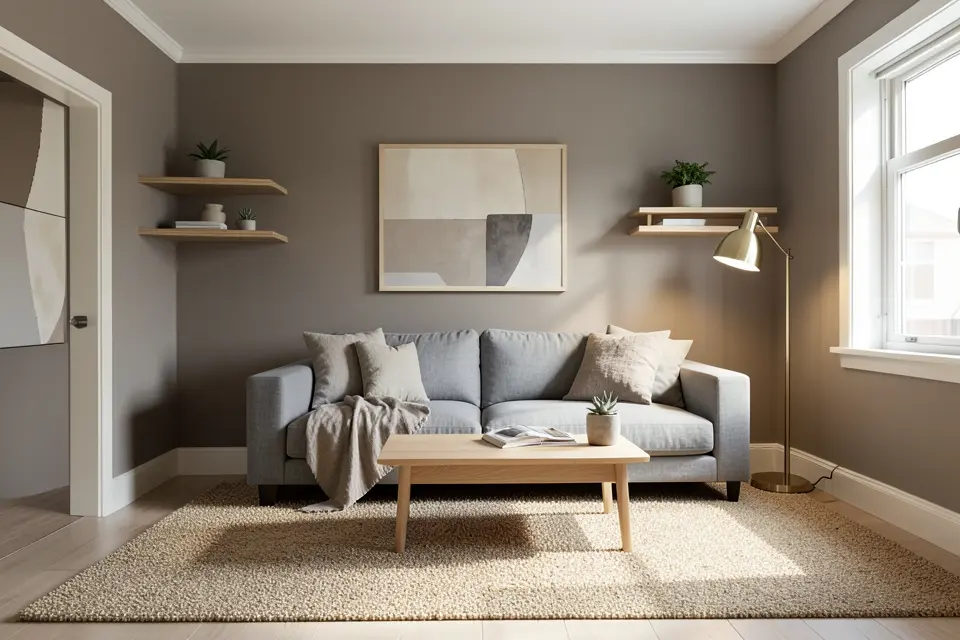
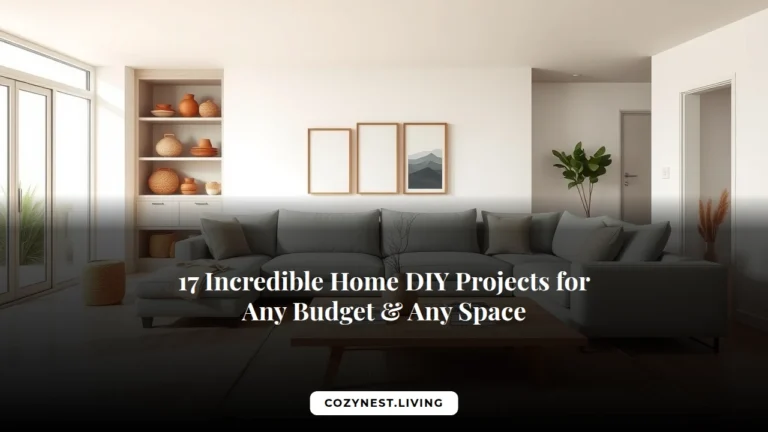
Where stark white walls reflect every glare, a muted taupe backdrop absorbs light and adds softness. That shift creates a warm minimalist feel without the clinical vibe.
Muted earth tones, soft grays, and creamy whites replace pure white, letting natural light settle gently.
Layered textures like boucle cushions, brushed cotton throws, and fluted wood shelves give depth without clutter.
Because the palette hides dust better than bright white, cleaning is quicker for renters. Peel‑and‑stick wall panels in these hues provide a temporary update without permanent paint.
If you pick a yellow‑based taupe, the room can look dated under cool LED lighting. Testing paint swatches at different times of day prevents that mistake.
Warm minimalism matches the 2026 autumn trend of earthy neutrals, making the style feel current.
Apply a single, large‑scale boucle rug to anchor the room and reduce the need for multiple small accessories
3. Flexible and Adaptable Spaces
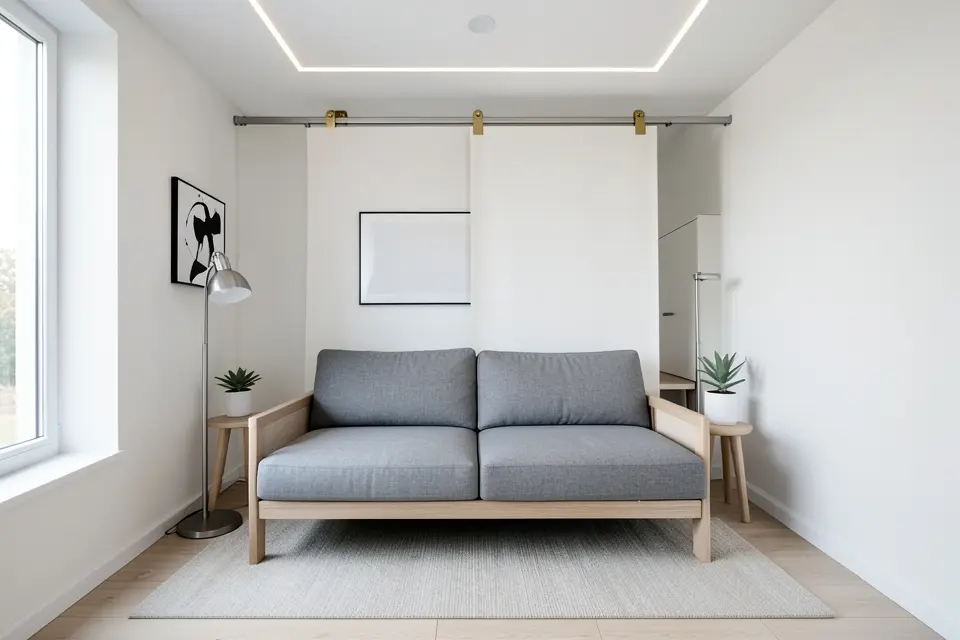
When a one‑bedroom floor plan forces you to juggle a home office, a dining area, and a lounge in the same 250 sq ft, daily routines become a shuffle.
Modular sofas with removable chaise, sliding dividers, and a Murphy desk let each zone transform as needed. Renters, young professionals, and small families find them especially useful because they leave walls untouched and can be moved at move‑out.
In a 12‑by‑14 room, a low‑profile ceiling‑track partition keeps the floor clear and preserves sight lines. The trade‑off is bulkier units and moving parts that can wear faster.
Measure the full travel length of a sliding panel before buying to avoid clearance issues
DIYers can install an aluminum track and fabric panel in a weekend with basic tools. Professionals ensure smoother operation and warranty coverage.
Place a lockable bracket at the panel’s end to prevent accidental swings during high‑traffic evenings.
4. Durable Finishes That Stand Up
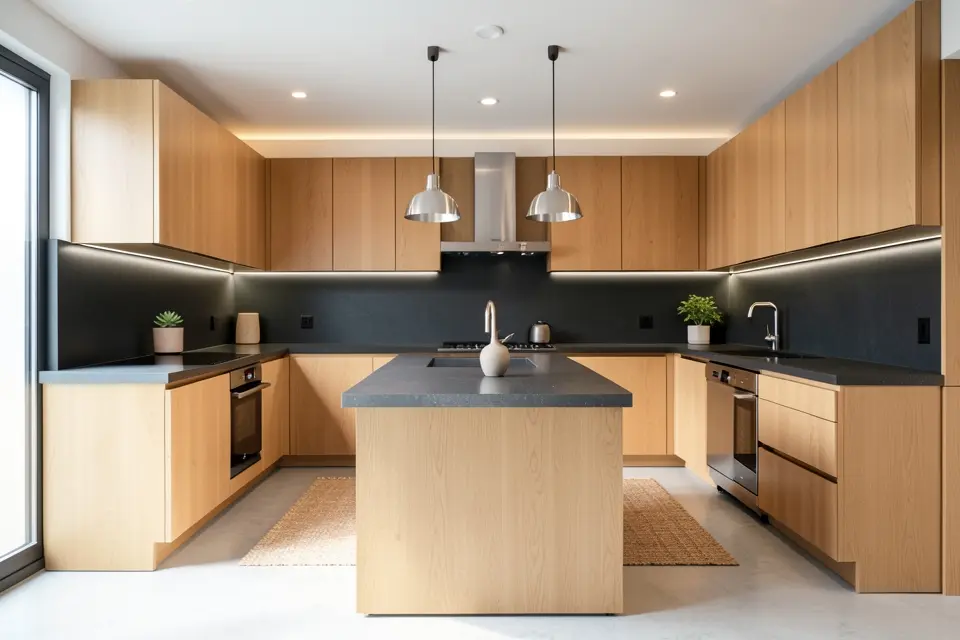
Sintered stone, with its dense, non‑porous surface, resists stains, heat, and daily scratches.
It costs far more up front than laminate or standard wood, a trade‑off many homeowners accept for longevity.
Quartz offers similar resilience and fits the muted greys of the 2026 color trend. Solid wood provides timeless grain; engineered wood adds moisture tolerance for basements.
Families with kids and busy professionals appreciate the low‑maintenance appeal. Professional installation is recommended to avoid costly mistakes and keep warranties valid.
Order 10% extra material to cover cuts and breakage.
Vacuum performance fabrics weekly to keep their water‑repellent finish.
Alternative: High‑pressure laminate with a textured finish mimics wood grain for less money. Seal it every two years to hide scratches and extend life.
5. Subtle Color Palettes for Longevity
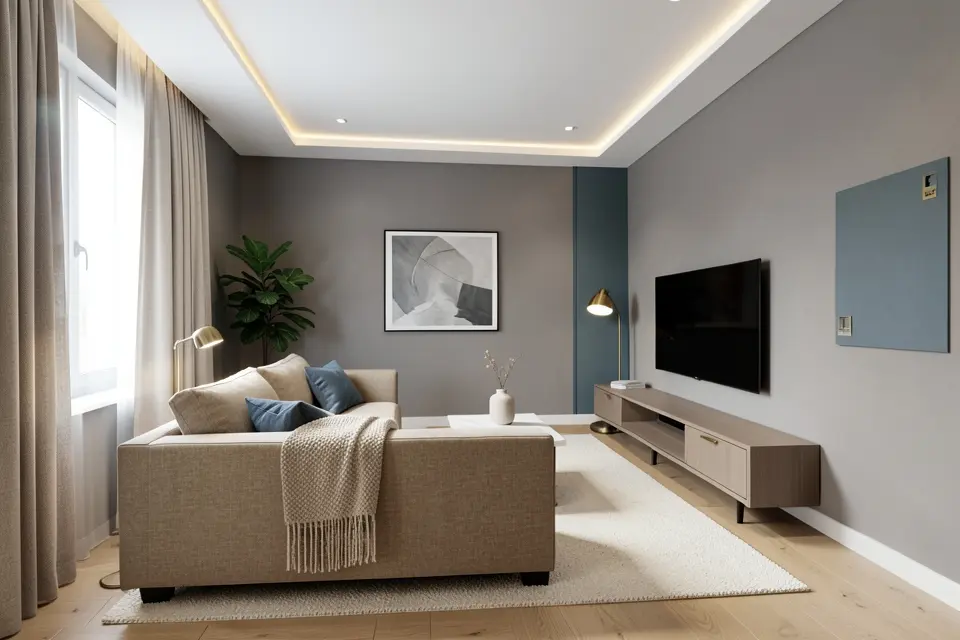
A wall brushed in muted dove gray, paired with a warm oatmeal sofa, creates a calm backdrop that lets daylight glide across the room.
A thin strip of slate‑blue wallpaper behind the TV adds depth without shouting.
These tones stay fresh year after year because they lack harsh saturation that ages quickly.
They also act as a neutral canvas for seasonal throws or artwork, letting you refresh the look without repainting.
The downside is the space can feel overly safe, missing a dramatic focal point that energizes the room.
Because the colors are low‑impact, renters can use peel‑and‑stick paint or removable panels to add personality without damage.
Swap jewel‑tone pillows in winter or a sun‑kissed rug in summer to follow the seasonal trend.
6. Incorporating Artisanal and Handcrafted Pieces
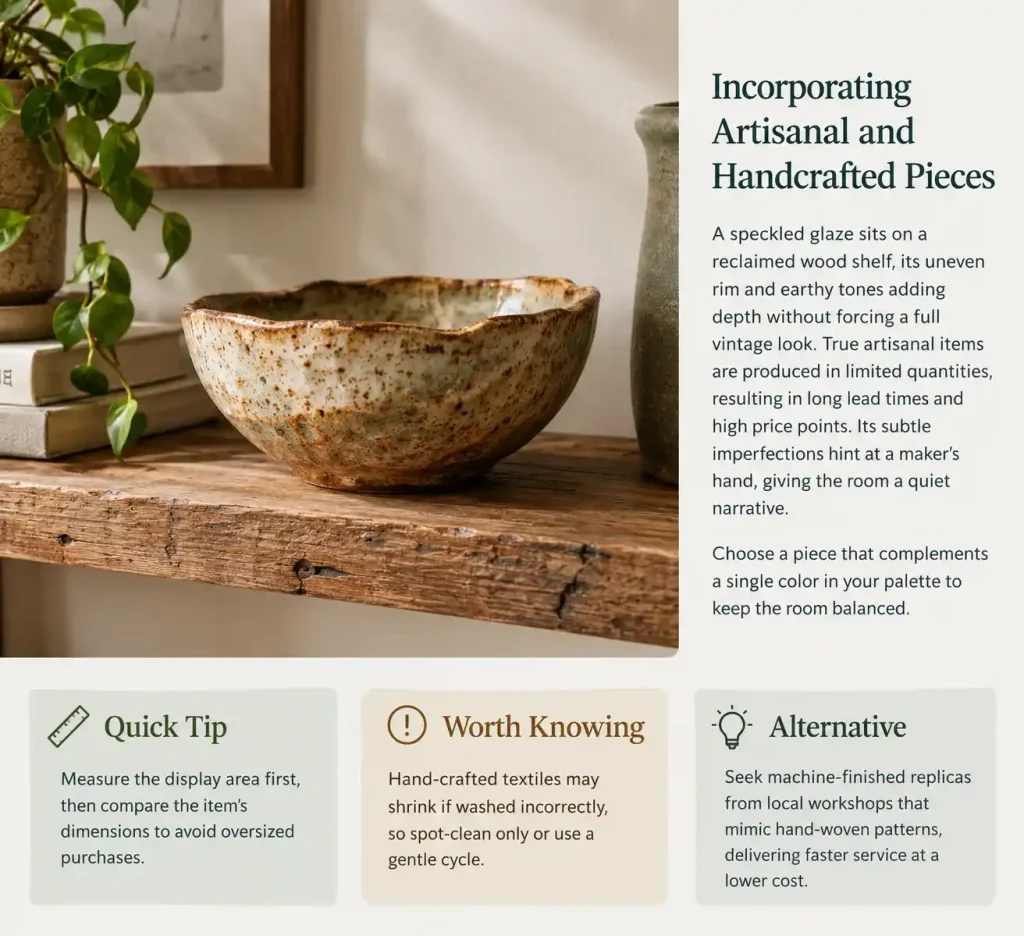
A hand‑thrown terracotta vase with a speckled glaze sits on a reclaimed wood shelf, its uneven rim and earthy tones adding depth without forcing a full vintage look.
True artisanal items are produced in limited quantities, resulting in long lead times and high price points. Its subtle imperfections hint at a maker’s hand, giving the room a quiet narrative.
Choose a piece that complements a single color in your palette to keep the room balanced.
Measure the display area first, then compare the item’s dimensions to avoid oversized purchases.
Hand‑crafted textiles may shrink if washed incorrectly, so spot‑clean only or use a gentle cycle.
Alternative: Seek machine‑finished replicas from local workshops that mimic hand‑woven patterns, delivering faster service at a lower cost.
7. Smart, Integrated Storage Solutions
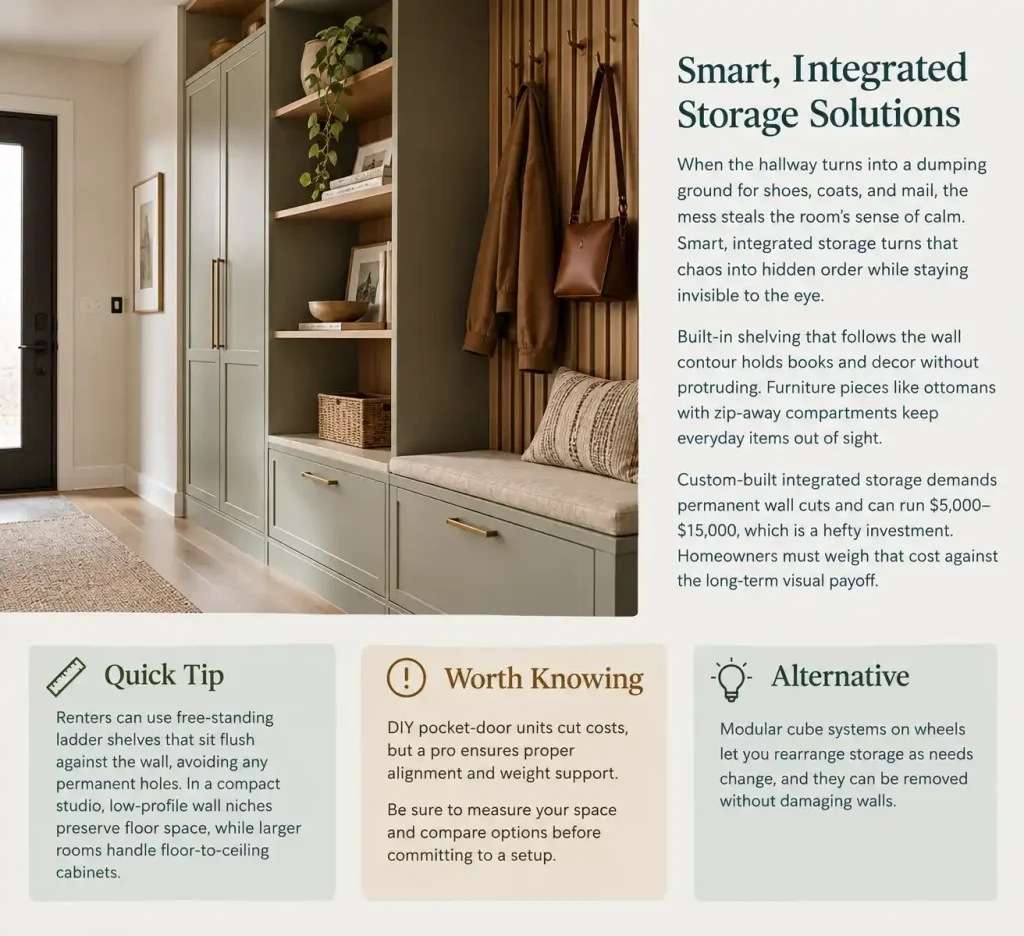
When the hallway turns into a dumping ground for shoes, coats, and mail, the mess steals the room’s sense of calm.
Smart, integrated storage turns that chaos into hidden order while staying invisible to the eye.
Built‑in shelving that follows the wall contour holds books and decor without protruding. Furniture pieces like ottomans with zip‑away compartments keep everyday items out of sight.
Custom‑built integrated storage demands permanent wall cuts and can run $5,000‑$15,000, which is a hefty investment.
Homeowners must weigh that cost against the long‑term visual payoff.
Renters can use free‑standing ladder shelves that sit flush against the wall, avoiding any permanent holes.
In a compact studio, low‑profile wall niches preserve floor space, while larger rooms handle floor‑to‑ceiling cabinets.
DIY pocket‑door units cut costs, but a pro ensures proper alignment and weight support.
Alternative: Modular cube systems on wheels let you rearrange storage as needs change, and they can be removed without damaging walls.
Paint the inside of built‑in shelves a light shade to make stored items appear less bulky
8. Mixing Vintage and Secondhand Finds
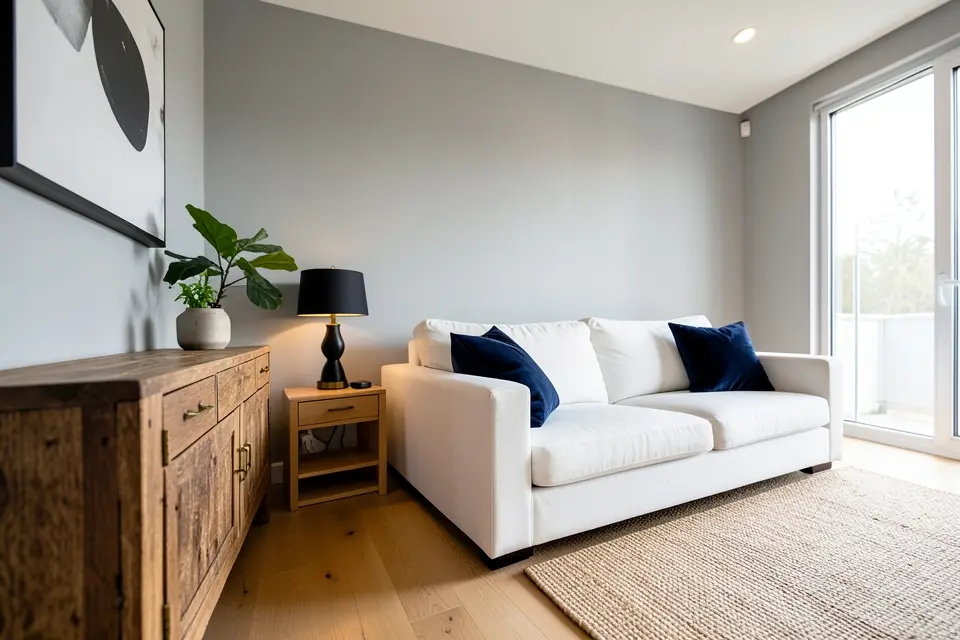
A reclaimed walnut sideboard sits beside a sleek white sofa, showing how the warm grain of the past can soften a modern silhouette.
The contrast creates depth without overwhelming the room, because the sideboard’s patina tells a story while the sofa offers clean lines.
Finding a single piece that complements rather than competes takes patience, and each find must be inspected for loose joints or hidden beetles.
Gently rock a vintage chair to test its stability before buying, and decide whether you’ll refinish it yourself or enlist a carpenter.
DIY can save money, but a professional finish often protects fragile surfaces longer.
Vintage wood can warp in humid climates, so keep it away from radiators
To keep the look cohesive, choose one accent color, like navy, for cushions that echo the sideboard’s brass handles.
Place the vintage lamp on a nightstand with a USB charging hub to blend function and style.
9. Efficient Layered Lighting
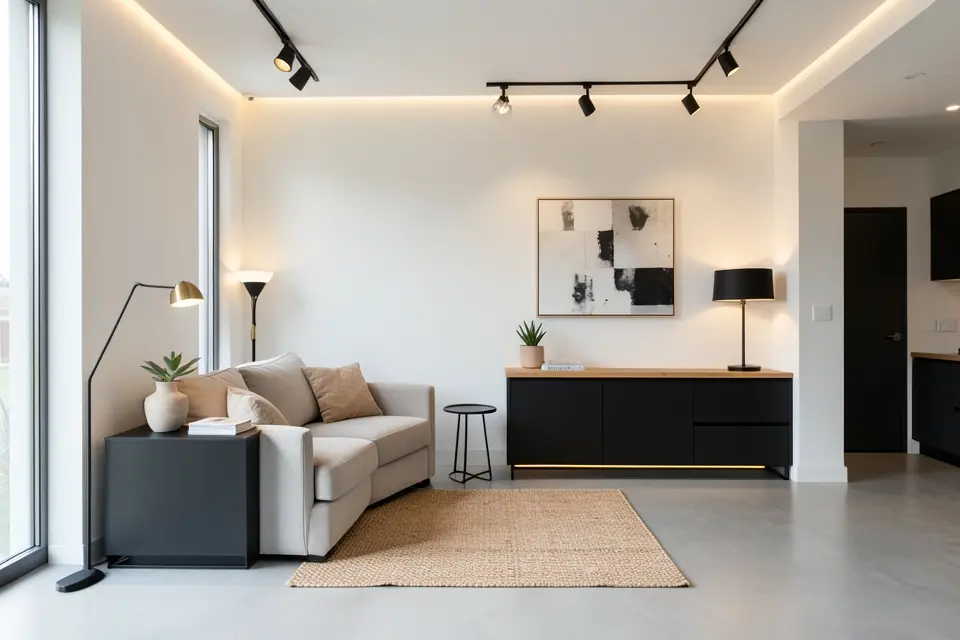
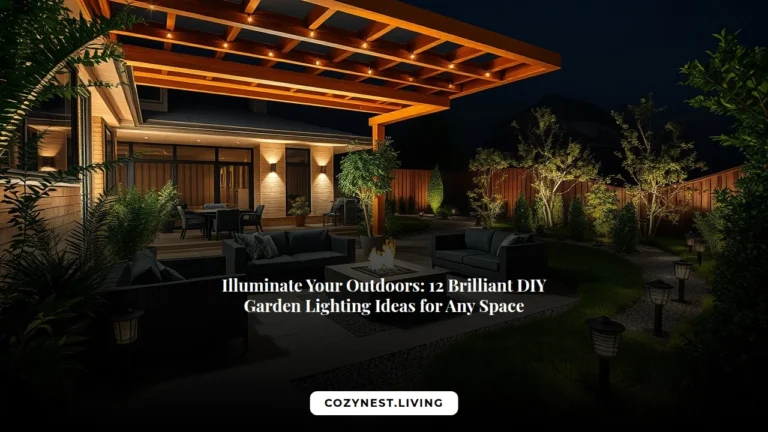
A recessed LED strip in the cove creates a spotlight. It provides a soft wash across the room.
Layer ambient, task, and accent lights above it. A dimmable floor lamp adds ambient illumination.
Renters appreciate its plug‑in design, which requires no drilling. The lamp stays put, respecting lease rules. Magnetic under‑cabinet LEDs handle task lighting.
They snap on, plug in, and detach easily. For a wired look, hire an electrician to install. Small track heads highlight artwork as accent lights.
Each head has its own switch, adding complexity. Multiple switches and smart bulbs can complicate daily use.
Use a single dimmer to control ambient and task lights.
A three‑way switch toggles zones with one hand.
Place the switch by the entry for quick access.
10. Quiet Luxury Through Quality
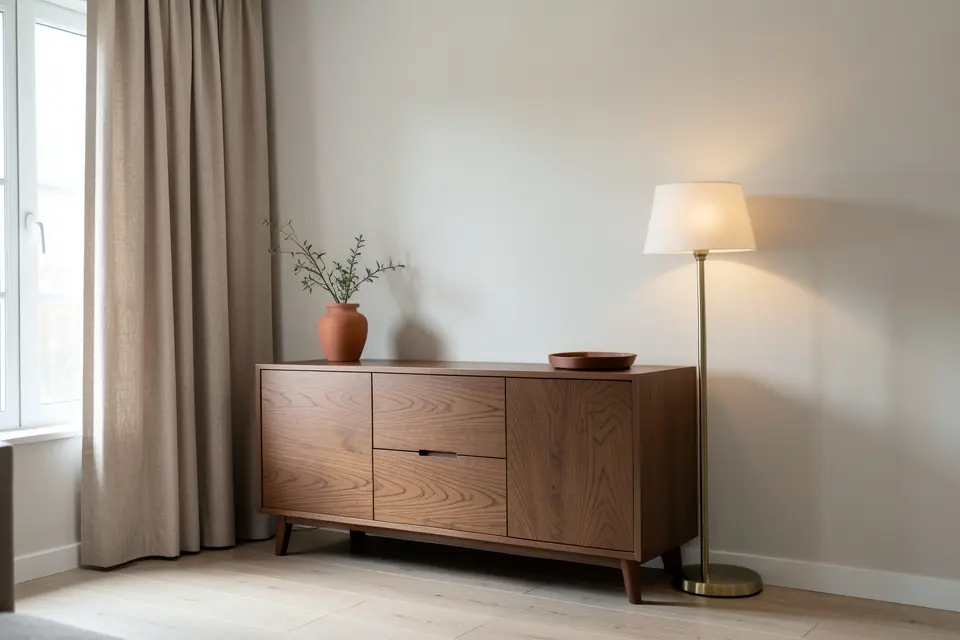
A matte walnut credenza with sleek, hidden handles anchors the living room, its warm grain visible under soft daylight.
The piece pairs naturally with high‑thread‑count linen drapes in muted sand, creating a calm backdrop without flashy logos.
Quiet luxury demands a substantial budget up front for materials that hide their price behind subtle craftsmanship.
If cash flow is tight, start with one anchor piece and add complementary items over time.
Look for factory‑direct sales where artisans list the material, not the brand, to stretch your budget.
Natural wood will need quarterly oiling to keep its finish from drying out.
This spring, designers favor earth‑toned accents like terracotta vases that echo the quiet opulence of the space.
Add a brushed brass floor lamp beside the credenza to provide layered lighting and highlight the wood grain.
11. Textural Play for Depth
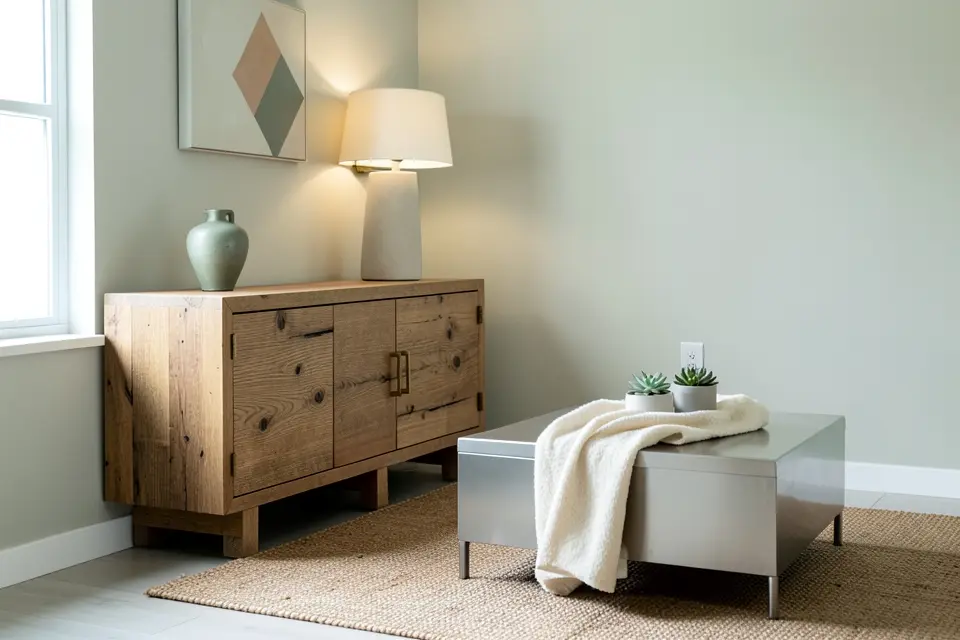
Set a matte ceramic vase beside a reclaimed pine sideboard for contrast. The glaze stays smooth; the wood shows hand-scraped grain. Both stay in muted sage to keep the palette unified.
Drape a wool blanket over a brushed stainless coffee table. The plush invites touch; the metal reflects light.
Pair a matte plaster panel with a satin lampshade. The flat surface soaks up shadows, while the sheen catches highlights.
Too many textures can feel chaotic, even in neutral tones. Limit your selection to three main materials to maintain calm.
Keep one texture at floor level and let the others sit higher for easy layering
Rough wood can dent, so add felt pads under heavy legs
Add a woven jute rug under the sideboard to ground the mix.
12. Considered Tech Integration
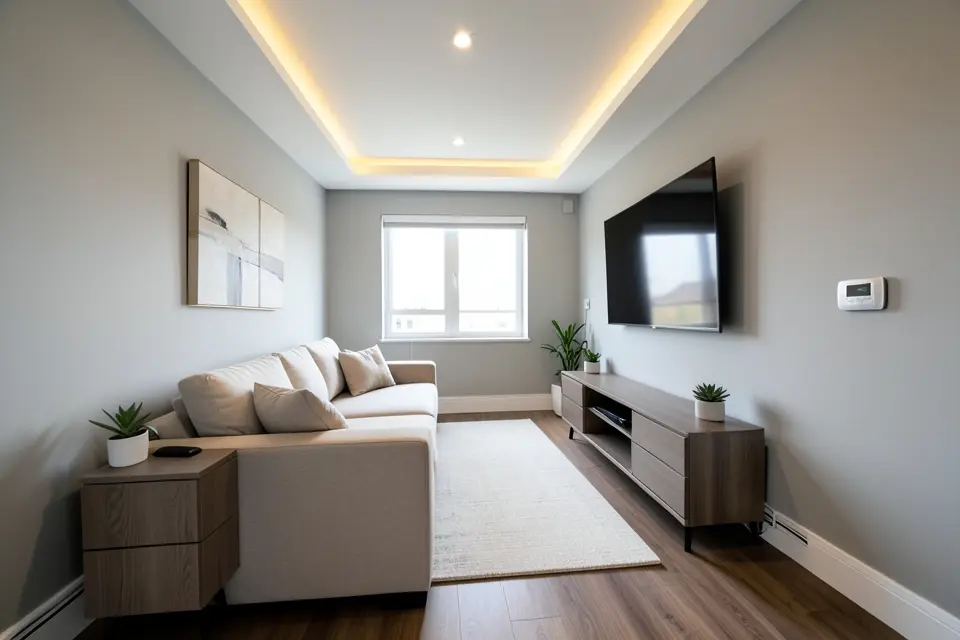
Power strips spilling from the TV stand ruin the clean lines of a new living room. Run the cords inside a low‑profile baseboard raceway to keep the floor tidy and functional.
A nightstand drawer with a built‑in USB hub charges devices without crowding the surface.
Pair it with a thermostat that blends into the wall and motion‑sensor lights that turn on only when needed.
Concealing everything behind custom panels keeps cords out of sight.
The trade‑off is that accessing these cables for troubleshooting or replacement becomes much more difficult once they are sealed away.
Frequently Asked Questions
What decorating styles are losing appeal for 2026?
Overly specific or overtly themed decor, excessive fast-furniture consumption, and styles that prioritize aesthetics above all else are seeing reduced interest for 2026.
What key interior design directions are emerging for new homes in 2026?
The key directions for 2026 emphasize durability, flexibility, natural materials, and comfort, moving away from stark or highly trendy looks.
How can I make my new home decor practical for the long term?
Focus on high-quality, durable materials; choose versatile furniture; integrate smart, hidden storage; and select neutral or muted color palettes for longevity.
What’s a common mistake to avoid when decorating a new home in 2026?
Avoid decorating solely based on fleeting social media trends; instead, prioritize functionality, personal comfort, and quality materials that suit your lifestyle and space.